From ABC7 Los Angeles · · 2m
Chevron bets $7 billion on Venezuela's oil
Trump's deal hands Chevron new acreage in the Orinoco Belt, but the pumps, pipelines, and politics are all broken.
In brief
Trump's deal hands Chevron new acreage in the Orinoco Belt, but the pumps, pipelines, and politics are all broken. Venezuela has more oil underground than anyone, and almost none of the infrastructure or legal certainty needed to get it out. Originally reported by ABC7 Los Angeles.
Chevron is going back in
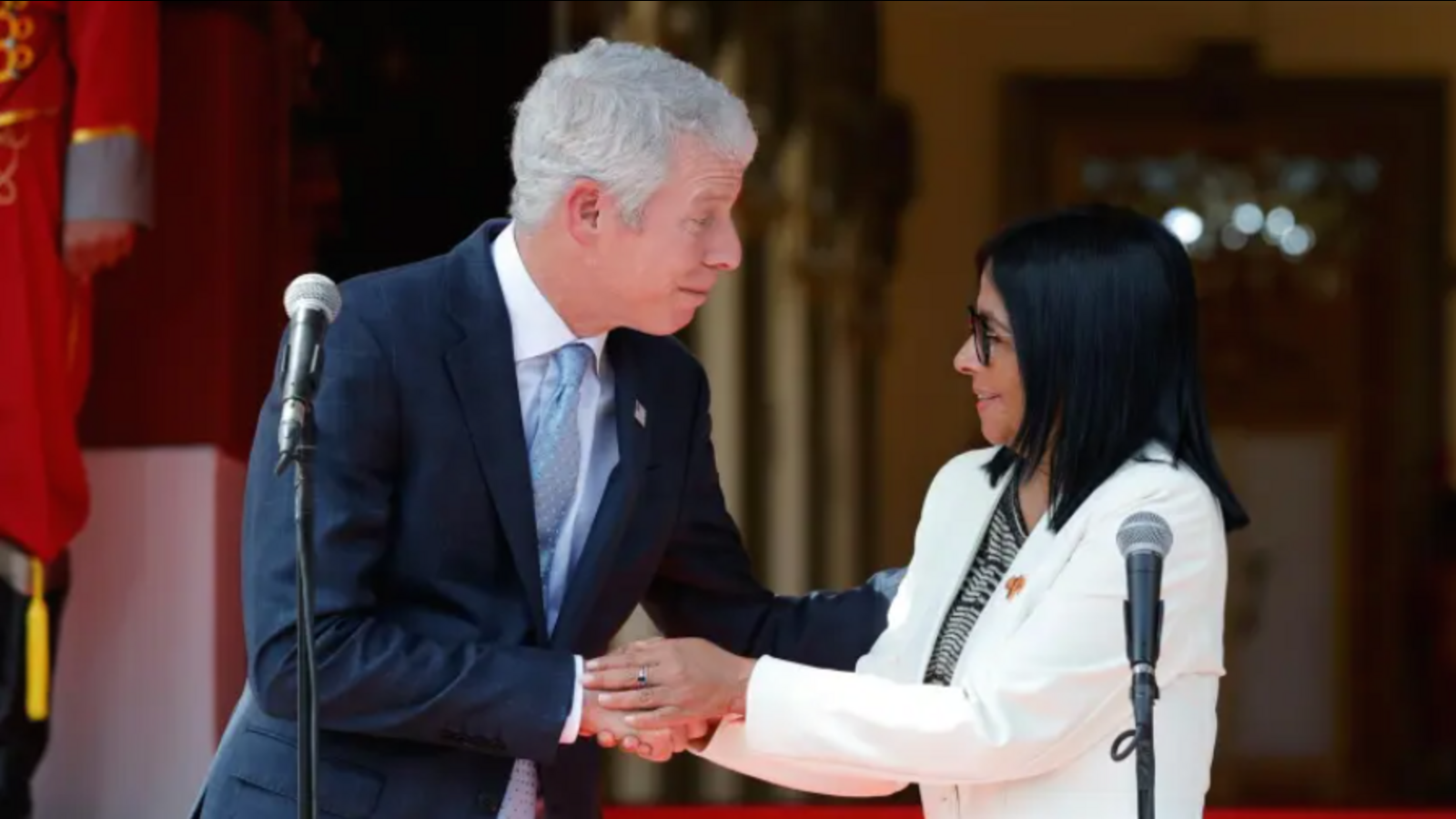
Chevron confirmed it will expand in Venezuela after Trump announced a deal to develop the country's reserves, with the Pentagon taking a cut of the profits.
Seven billion, five years

The company was assigned extra acreage in the Orinoco Belt and plans to spend over $7 billion by 2031, aiming to more than double output to about 600,000 barrels a day.
“Chevron's history in Venezuela spans more than a century.”
The biggest reserves on Earth
Venezuela sits on more than 303 billion barrels of proven crude, per OPEC's 2025 bulletin. Saudi Arabia is second at 267 billion.
Reserves it cannot pump
Degraded infrastructure and sanctions hold daily output to just over 1 million barrels. Saudi Arabia pumps 10 to 11 million, the US almost 14 million.
Signed in Caracas
Energy Secretary Chris Wright attended a ceremony where Chevron, Italy's Eni, and others signed with the government. The White House also named partner NABEP.
“The mission is to bring peace, freedom, opportunity and prosperity to the people of Venezuela.”
Who authorized this
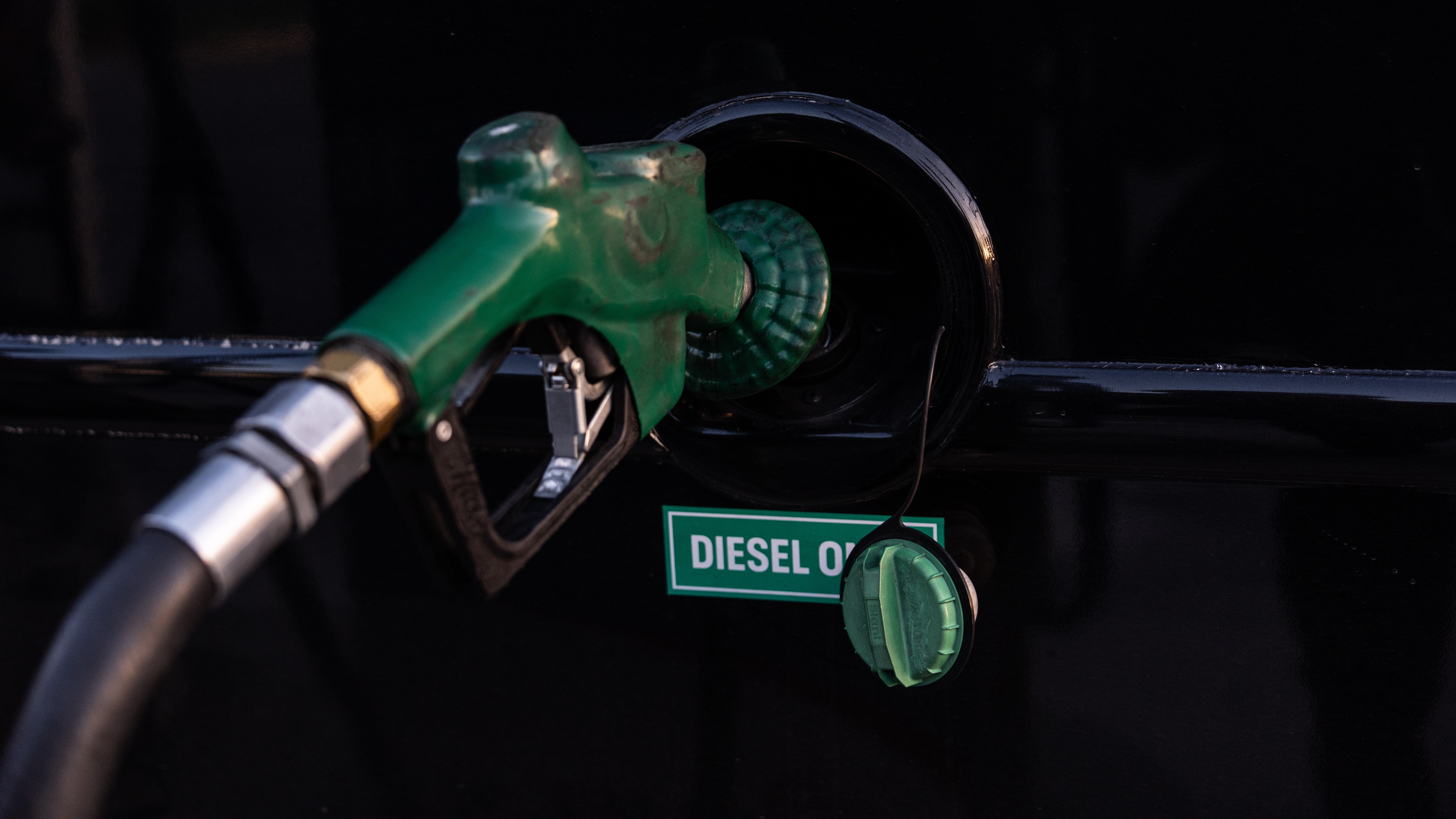
NABEP would get 100-year rights over 17 oil fields holding 65 billion barrels. Venezuela's constitution requires National Assembly approval, and that vote never happened.
A deal built on sand

Cato's Ian Vasquez argues the agreement was struck with a dictatorship under US military pressure, so any future democratic government will challenge it.
“Any future Venezuelan democracy will question the deal, thus undermining confidence in the current arrangement.”
Exxon remembers 2007

Venezuela nationalized oil in 1976 and again under Chavez in 2007, seizing assets from Exxon and ConocoPhillips when they refused state-controlled joint ventures. Chevron said yes.
Still uninvestable

Trump says other majors are returning, but only Chevron has moved. Exxon's CEO called Venezuela uninvestable in January, and a spokesman says nothing has changed.
Cheap gas is years away
New Orinoco facilities could take two to four years to come online, longer where pipelines do not exist. Meanwhile regular gas hit $4.12 a gallon, up 93 cents in a year.
“It could take 2 to 4 years to get new greenfield facilities online in the Orinoco region.”
The essence
Venezuela has more oil underground than anyone, and almost none of the infrastructure or legal certainty needed to get it out.





