From ABC7 New York · · 1m 20s
Twin sisters separated after rare head surgery
Ethiopian twins born conjoined at the head underwent a groundbreaking 24-hour separation surgery in Missouri.
In brief
Ethiopian twins born conjoined at the head underwent a groundbreaking 24-hour separation surgery in Missouri. Hiyab and Wuhbto can now do everyday activities like sitting upright, eating, and playing independently after their February surgery. Originally reported by ABC7 New York.
Quick answers
- How rare is this condition?
- Conjoined twins occur in about one in 50,000 to 100,000 live births. Girls are born conjoined about three times more often than boys.
- What is the key takeaway from Twin sisters separated after rare head surgery?
- Hiyab and Wuhbto can now do everyday activities like sitting upright, eating, and playing independently after their February surgery.
Rare surgery separates conjoined twins
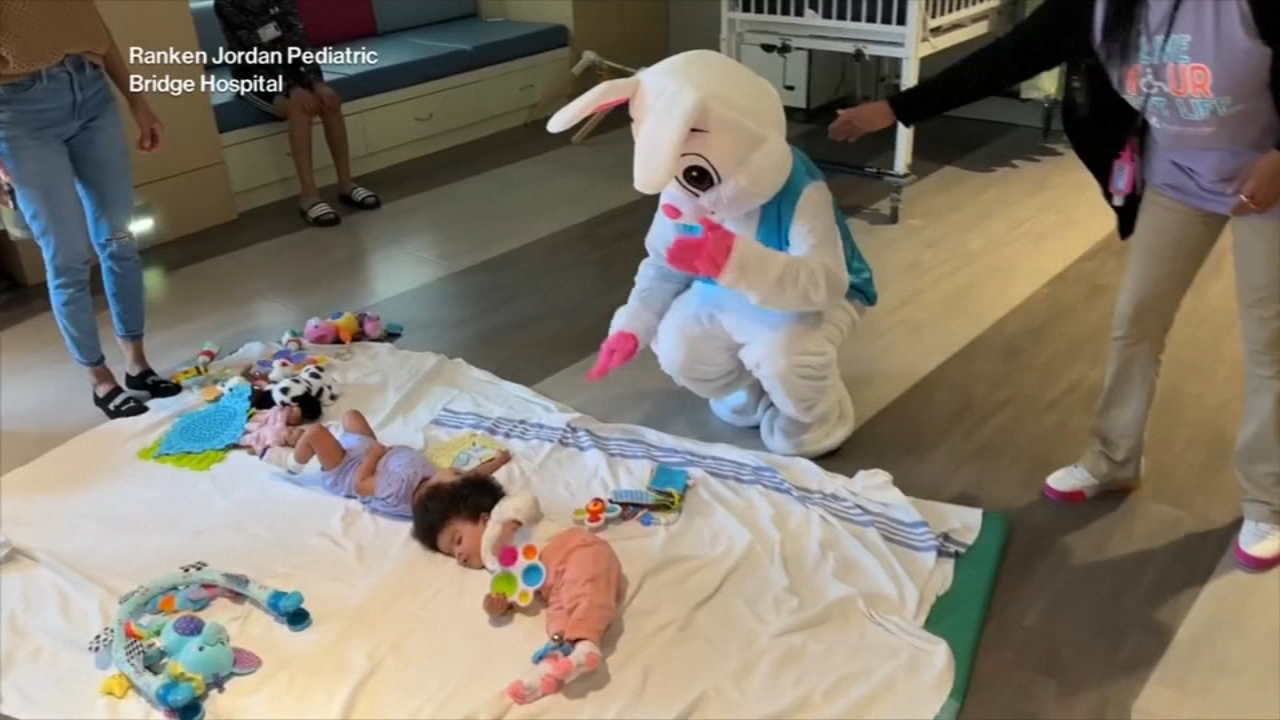
Twin sisters Hiyab and Wuhbto, born conjoined at the head in Ethiopia, underwent a 24-hour separation surgery at SSM Health Cardinal Glennon Children's Hospital in St. Louis in February.
Journey from Ethiopia to Missouri
The twins traveled from their home country of Ethiopia to the United States in March 2025 to prepare for the surgery. They turned two years old in March, following their separation.
Recovery and rehabilitation underway
Six months after surgery, Hiyab and Wuhbto are recovering at Ranken Jordan Pediatric Bridge Hospital in Maryland Heights, Missouri, undergoing intensive rehabilitation and care.
New abilities after separation

The twins can now sit upright, participate in individual therapies, and work on eating, speaking, and socializing. They're learning activities of daily living that were impossible while conjoined.
“They are now able, for example, to participate in individually-focused therapies, to do the activities of daily living they could not do while conjoined.”
How rare is this condition?
Conjoined twins occur in about one in 50,000 to 100,000 live births. Girls are born conjoined about three times more often than boys.
Global effort made surgery possible
The surgery involved partnerships between SSM Health Cardinal Glennon, Ranken Jordan, World Pediatrics, Ethiopian Airlines, Ronald McDonald House Charities, and other organizations worldwide.
The headline
Hiyab and Wuhbto can now do everyday activities like sitting upright, eating, and playing independently after their February surgery.


