From ABC News · ABC News · · 3m
Pennsylvania hospitals battle worst measles outbreak in decades
Nearly 700 cases have been reported this year, with hospitals seeing patients daily after decades without a single case.
In brief
Nearly 700 cases have been reported this year, with hospitals seeing patients daily after decades without a single case. Pennsylvania's measles outbreak has shifted from an extremely rare disease to a daily occurrence in hospitals, prompting aggressive screening and vaccination efforts. Originally reported by ABC News.
From rare to routine
Dr. John Goldman saw only two measles cases in 30 years. Now he sees patients with the disease literally every day at UPMC hospitals.
“We've gone from seeing this as an extremely rare disease, one that I literally have not seen in 30 years, to something that is now common.”
Pennsylvania's outbreak by the numbers
The state has recorded 731 measles cases this year with 141 hospitalizations. Four deaths have been confirmed, the most since 1992.
Lancaster County is the epicenter
Lancaster County in southeastern Pennsylvania has reported 296 cases. UPMC Lititz alone has treated about 50 measles patients this year.
The real count is higher
Doctors believe cases are undercounted. Patients often report five or six sick family members at home, but not everyone gets tested.
“The worst part is we're almost certainly underestimating the cases.”
Children hit hardest
About 10 children were admitted to Penn State Health Golisano Children's Hospital in 2026. Most came from families where everyone was sick.
Symptoms beyond the rash
Fever, rash and respiratory distress are most common. Some children also show gastrointestinal symptoms, including hepatitis.
Unvaccinated communities affected
Most hospitalized children are unvaccinated and come from communities that don't vaccinate. Hospitals get more calls about infections each week.
Vaccination rates spike in August
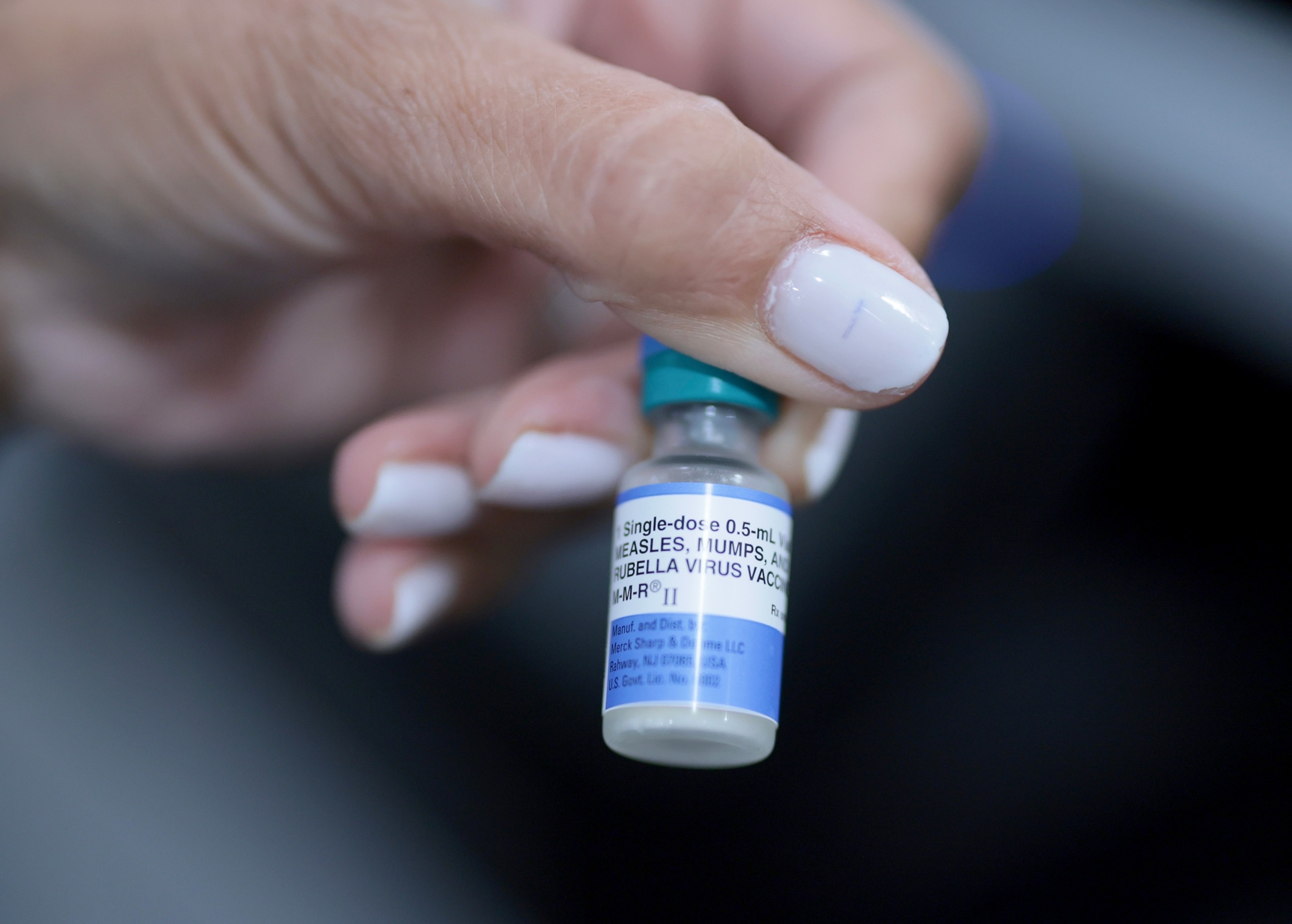
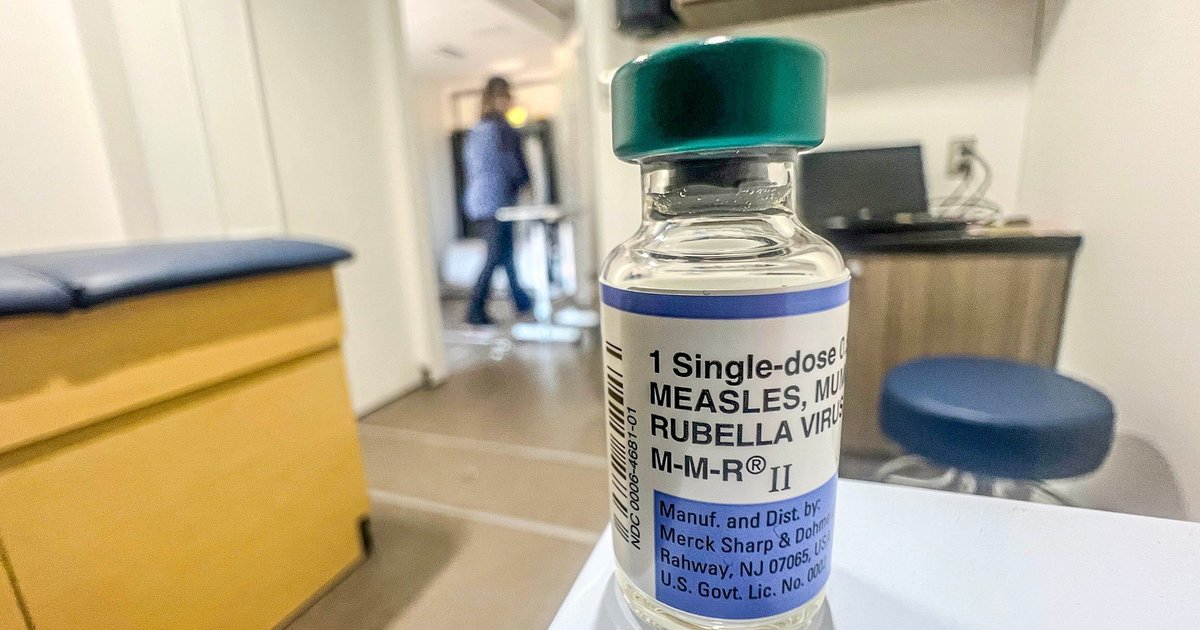
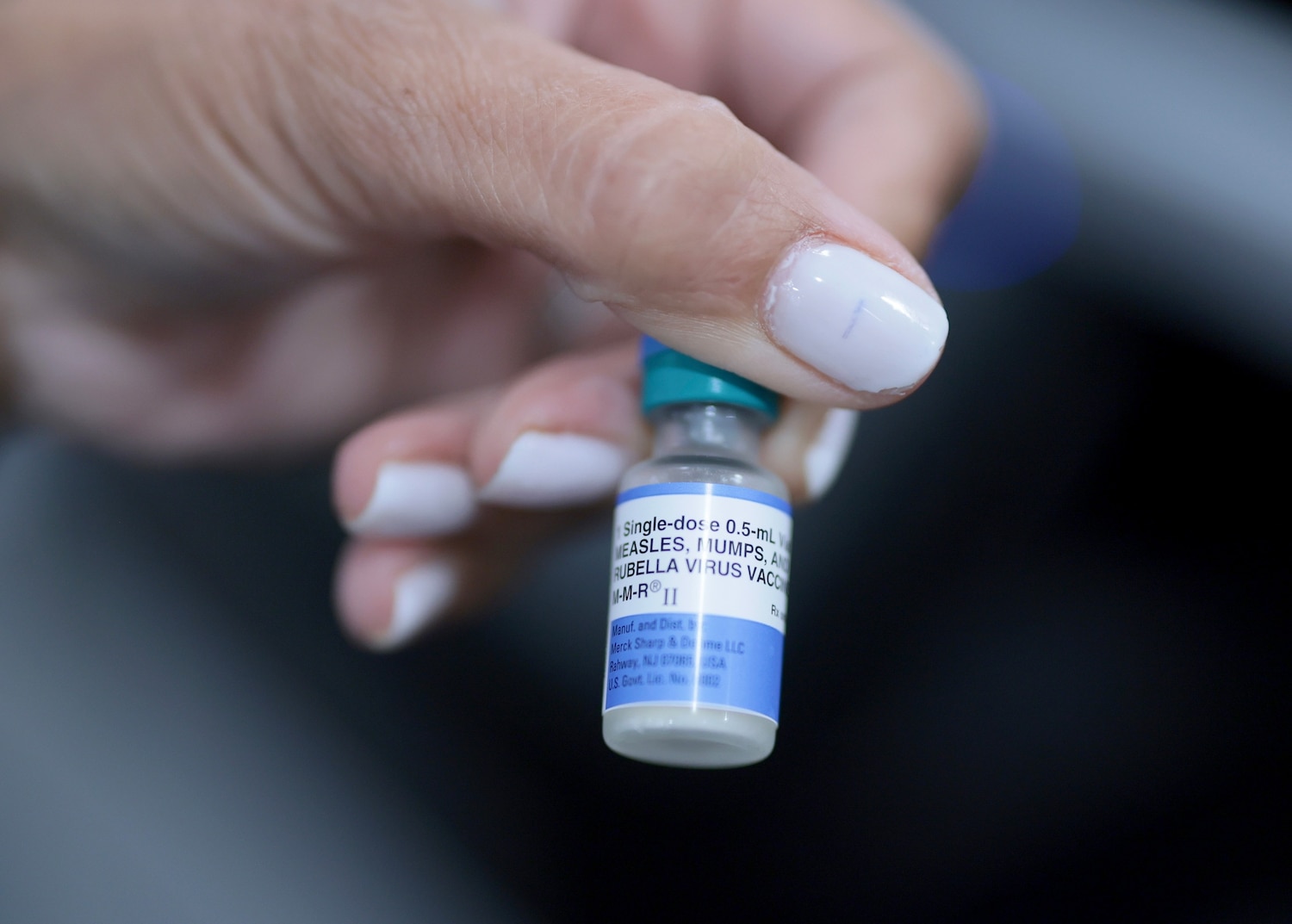
Health department staff gave 6,725 MMR doses in 2026. About 3,500 were administered in August alone, correlating with a spike in cases.
Parents seek early third doses
Some parents are asking about early third doses for their children. The CDC recommends this for infants in outbreak areas starting at 6 months.
Vaccines come to people's homes
Chester County health workers now vaccinate people at home or at their businesses. The county has administered 538 MMR doses this way.
“We basically just said, 'We've got to do some at-home vaccinations.'”
Secret vaccinations happening
Goldman reports cases of semi-clandestine vaccination. People get the MMR shot without telling friends or neighbors who might judge them.
“Neighbors might judge them, or they're in communities which discourage vaccination.”
Aggressive screening at hospitals
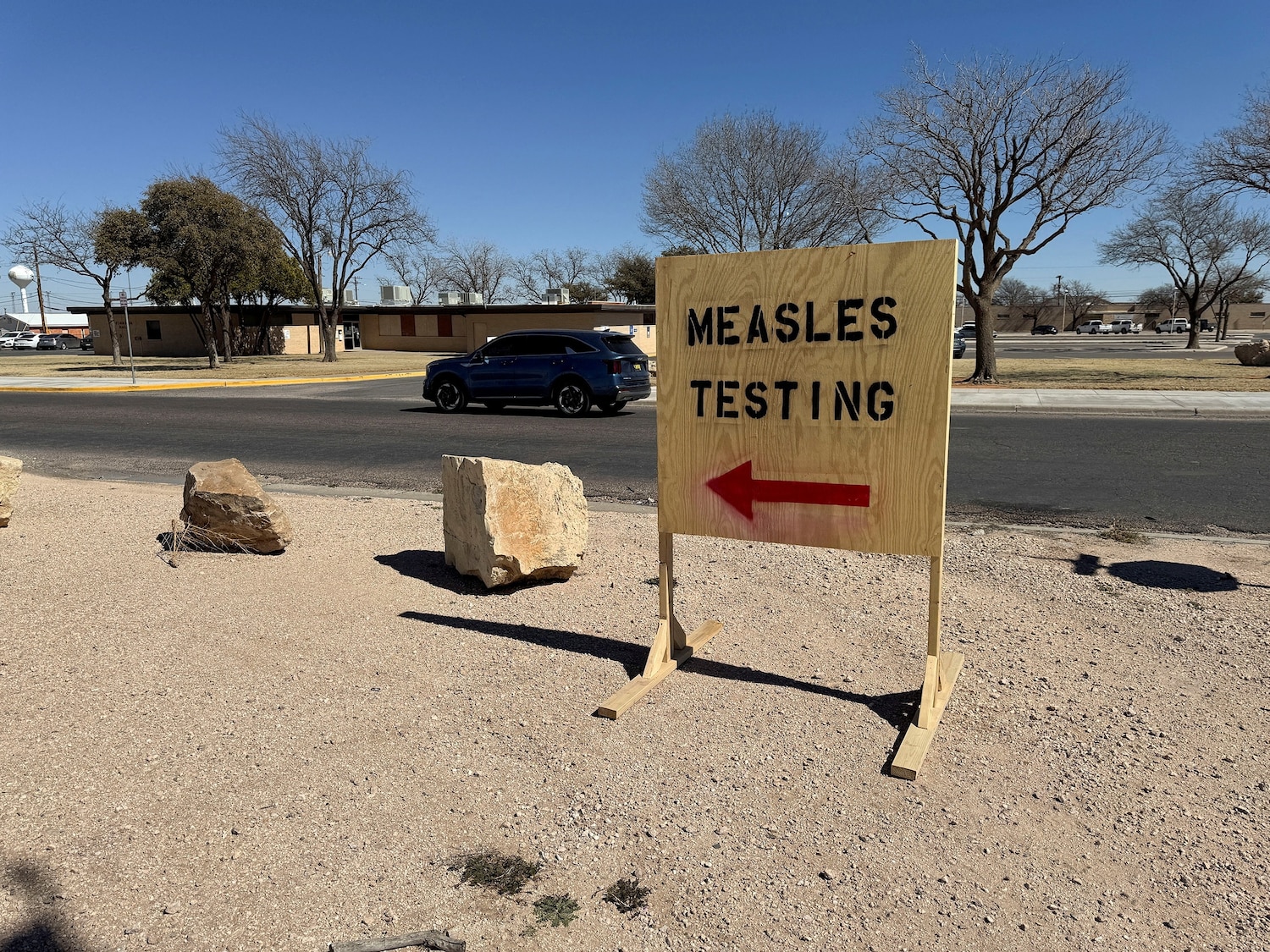
UPMC facilities now screen more aggressively for measles-like symptoms including rash, fever, cough and pink eye to protect other patients.
Warning signs outside facilities
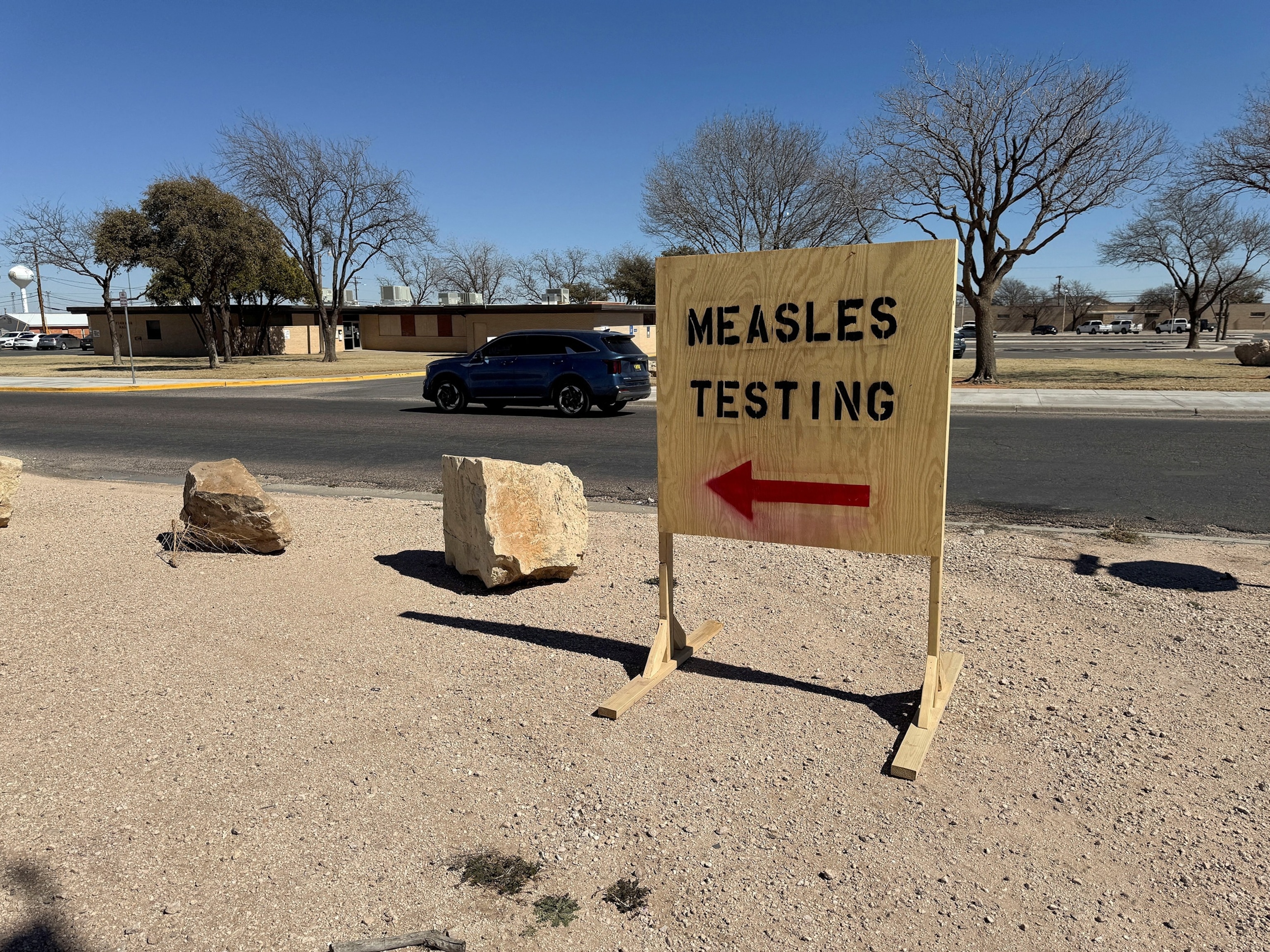
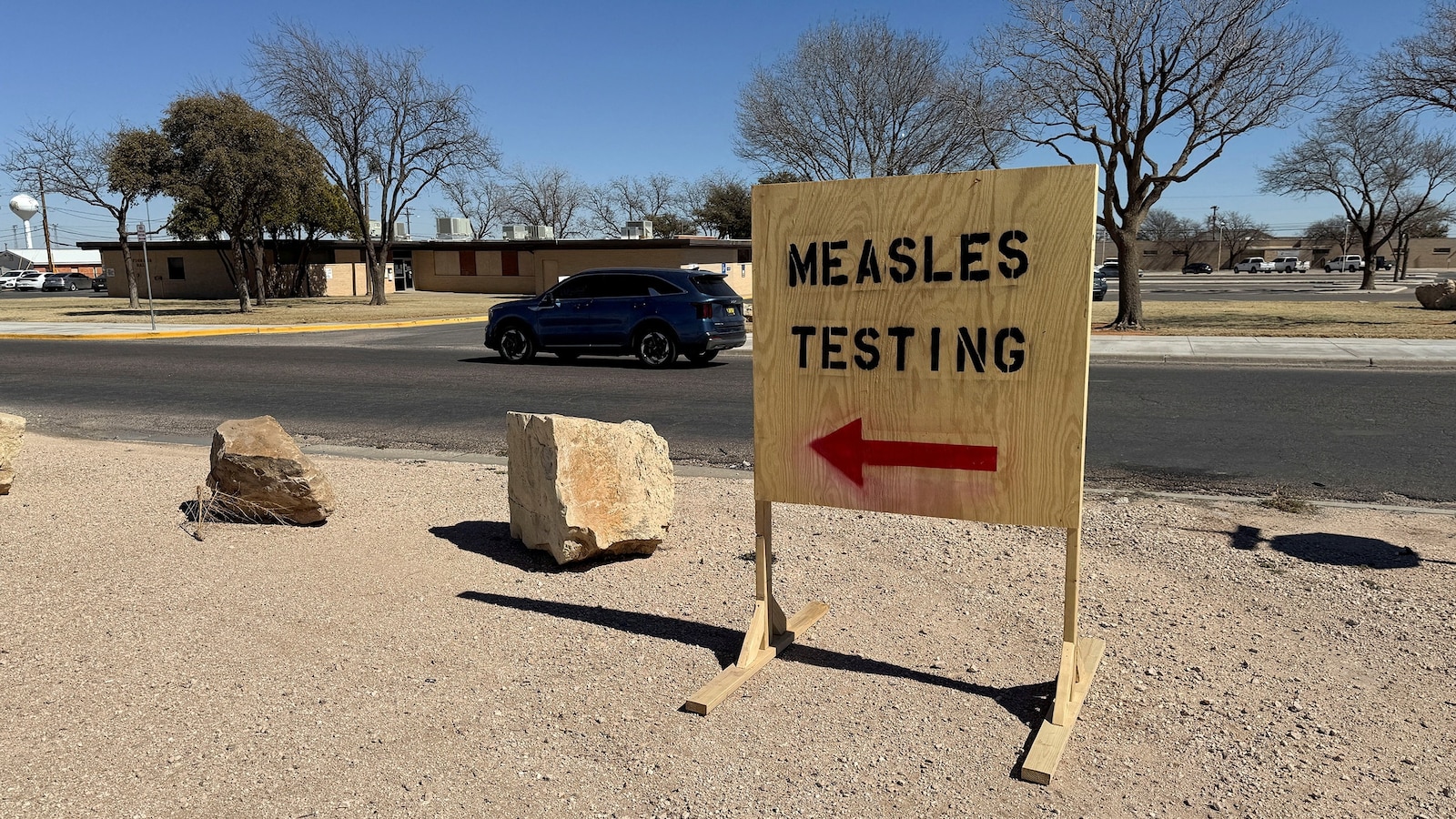
Hospitals display signs listing symptoms and asking exposed people to call before entering. This prevents them from spreading measles in waiting areas.
Doctors write public op-eds
Two Lancaster pediatricians wrote newspaper op-eds explaining vaccine dangers and benefits. Some patients bring printed copies to discuss at appointments.
Meeting communities where they are
Public health workers assess each community's knowledge before talking vaccines. They start with basics like what measles is if needed.
“If we're not hitting the right avenues and meeting them where they are at the start, they're not hearing it.”
What matters most
Pennsylvania's measles outbreak has shifted from an extremely rare disease to a daily occurrence in hospitals, prompting aggressive screening and vaccination efforts.