From ABC News · ABC News · · 1m 40s
US Retailers Use AI Pricing Tools, Spark Consumer Fears
US retailers' AI pricing tools cause consumer anxiety over personalized pricing and data use.
In brief
US retailers' AI pricing tools cause consumer anxiety over personalized pricing and data use. US consumers worry AI pricing tools set different prices based on personal data, leading to state-level regulations and FTC scrutiny. Originally reported by ABC News.
Consumer anxiety over AI pricing
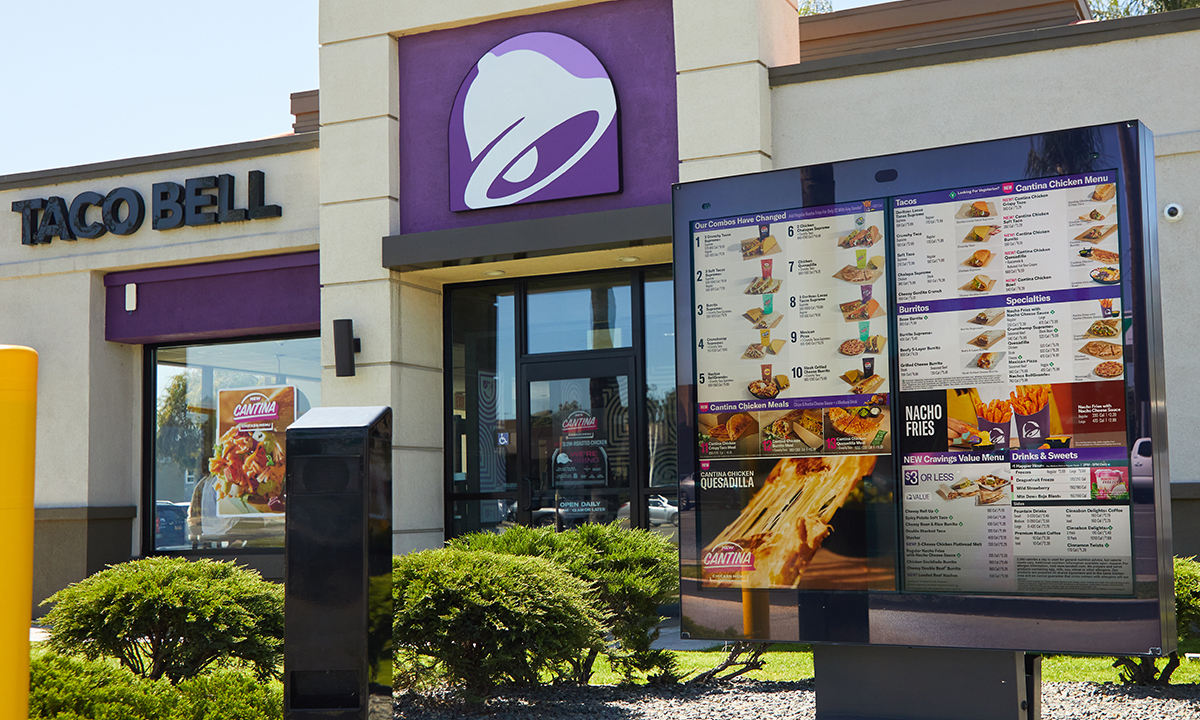
U.S. consumers feel angry and confused about how restaurant chains and major retailers set prices using high-tech tools.
“U.S. consumers aren't just frustrated with high prices. They're angry and confused about the increasingly high-tech ways that restaurant chains and major retailers are setting those prices”
Digital price tags replace paper
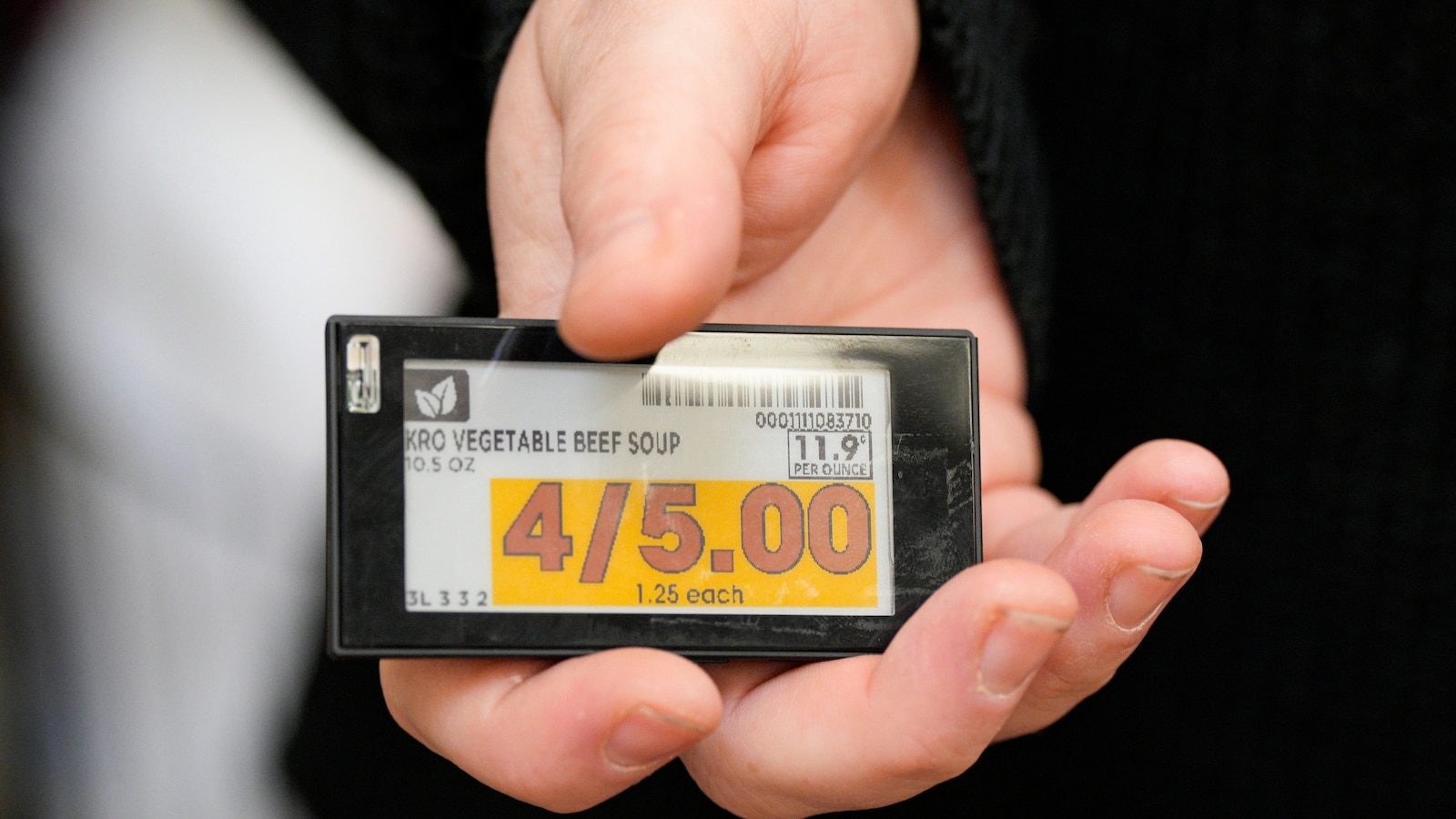
Digital price tags are rapidly replacing paper ones in grocery aisles across the U.S. retail sector.
“Digital price tags are rapidly replacing paper ones in grocery aisles”
AI tools predict customer responses
Artificial intelligence tools help businesses decide prices by predicting how customers might respond to changes.
“Artificial intelligence tools help businesses decide what to charge by predicting how customers might respond”
Dynamic pricing concerns
Dynamic pricing adjusts prices based on market conditions, including supply and demand, but consumers assume it only raises prices.
“Dynamic pricing means adjusting prices in response to changing market conditions, including supply and demand”
Personalized pricing practices
Personalized pricing offers different prices based on locations, incomes, web-browsing habits and other shopper information.
“Personalized pricing means offering customers different prices and discounts based on their locations, incomes, web-browsing habits and other information about individuals or groups of shoppers”
Walmart CEO clarifies pricing
Walmart CEO John Furner says digital price tags save workers' time and keep prices up to date without raising prices based on weather or individual shoppers.
“We price the product, not the person”
Consumer data concerns
Companies aren't always transparent about customer data collection and use, leading to consumer suspicion and speculation.
“For example, social media posts falsely imply that electronic shelf labels walmart plans to put in all its u.s. stores scan shoppers' faces or cellphones to set individualized prices”
State-level pricing laws
At least 30 states have considered pricing bills this year, including measures addressing algorithmic and personalized pricing.
“According to the national conference of state legislatures”
FTC proposes data transparency rules
The Federal Trade Commission has proposed enforcement policies warning businesses that failing to disclose personal data use could violate consumer protection laws.
“The federal trade commission has proposed an enforcement policy warning businesses that failing to disclose their use of personal data to set individualized prices could violate consumer protection law”
Target settlement with California
Target agreed to a $5 million settlement and banned geofencing technology after california prosecutors sued over app pricing discrepancies.
“Target agreed to a $5 million settlement and a ban on using so-called geofencing technology to increase prices”
What matters most
US consumers worry AI pricing tools set different prices based on personal data, leading to state-level regulations and FTC scrutiny.