From Abc · · 3m
New Zealand voters fracture as major parties hit historic low
Labour and National combined secured just 59 percent of the vote, the first time since 1996 that New Zealand's two largest parties fell below 60 percent.
In brief
Labour and National combined secured just 59 percent of the vote, the first time since 1996 that New Zealand's two largest parties fell below 60 percent. New Zealand's two major parties won only 59 percent of the party vote combined, the lowest share since the country adopted its MMP voting system in 1996, signalling…
A razor-thin race for power
Labour has 710,330 party votes compared with National's 706,680, a margin of just 3,650 votes. Hundreds of thousands of special votes remain uncounted.
National holds the seat advantage
National has 42 seats projected compared with Labour's 36 seats. Prime Minister Christopher Luxon has an easier path to government than Labour leader Chris Hipkins.
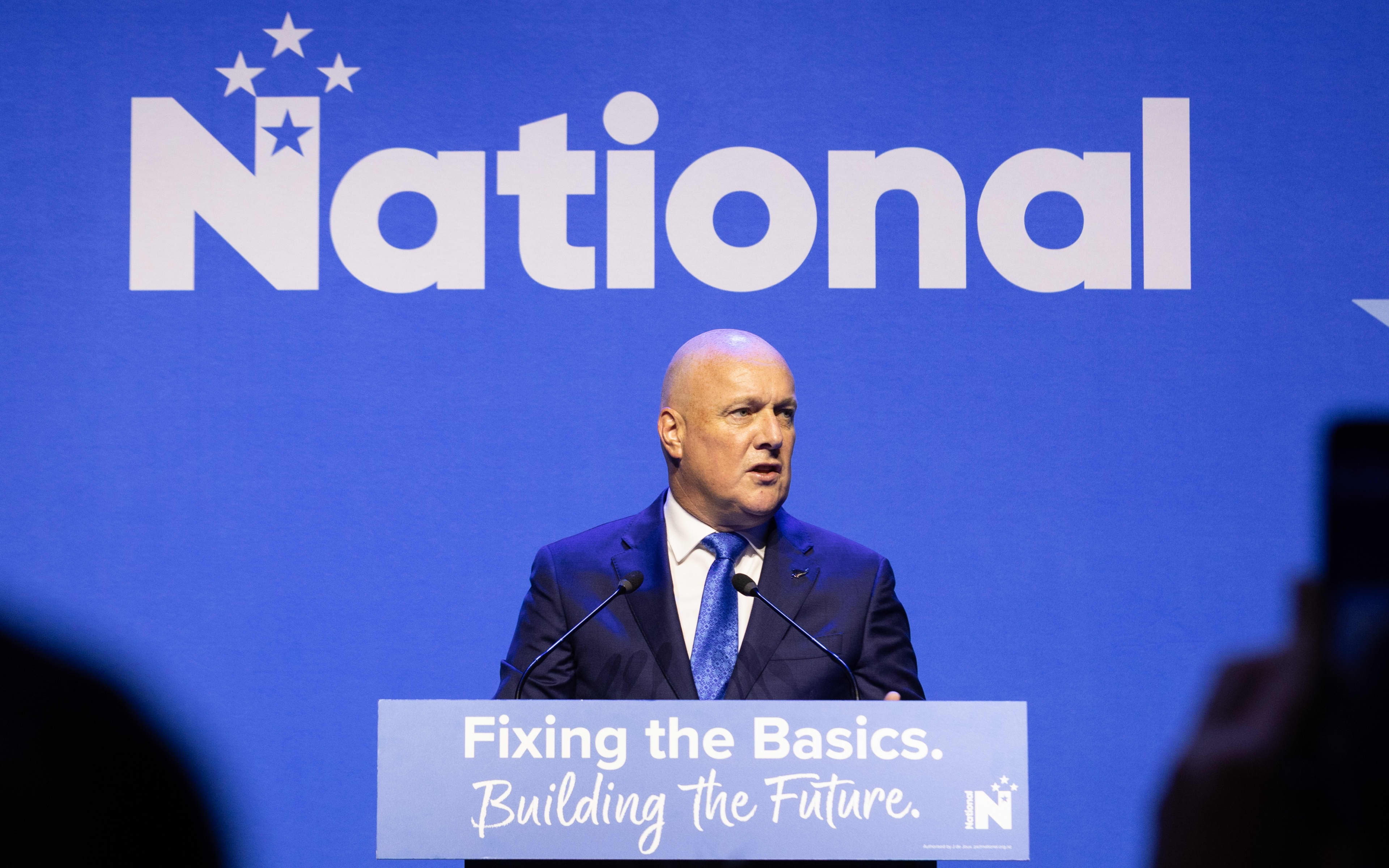
Luxon claims a mandate to govern
After the election, Christopher Luxon told journalists his party could claim a mandate. He said New Zealanders had given National the biggest seats in parliament and a pathway to form government.
“Ultimately, New Zealanders have given us the biggest seats in parliament, 42 seats as it stands today, and a pathway to form a government.”
Major parties hit historic low
Labour and National secured only 59 percent of the party vote between them. This is the first time since 1996, when New Zealand embraced its MMP voting system, that the two major parties fell beneath…
The last time was 2002
In 2002, the two major parties almost fell below 60 percent. Then prime minister Helen Clark secured more than 41 percent of the vote while National crashed to only 21 percent.
Minor parties surge into view
One commentator suggested it was time to stop talking about major and minor parties and just talk about the seven parties in New Zealand. Qiulae Wong and Opportunity re-emerged from outside parliament.
Contrast with 2020 majority
In 2020, Jacinda Ardern's Labour party won an outright majority of the party vote, allowing it to govern alone. The current results raise questions about whether New Zealand's era of majority style politics is over.
Turnout drops to second lowest
Voter turnout dipped to 74.6 percent, the second lowest in New Zealand's history. Heavy rain and showers on Saturday, particularly in the north, may have kept people at home.
New enrolment rules may have played a role
Some analysts pointed to new enrolment rules as a possible factor. New Zealand introduced a requirement for voters to enrol 13 days before voting began.
Disenchantment complicates governance
Disenchantment and political disconnection make the hard task of building and maintaining a political mandate for difficult decisions all the harder for leaders navigating tumultuous and uncertain times.
The headline
New Zealand's two major parties won only 59 percent of the party vote combined, the lowest share since the country adopted its MMP voting system in 1996, signalling voter disenchantment and political fragmentation.