From Abc · · 2m
Western NSW farmers trade dust for air-conditioned cabs
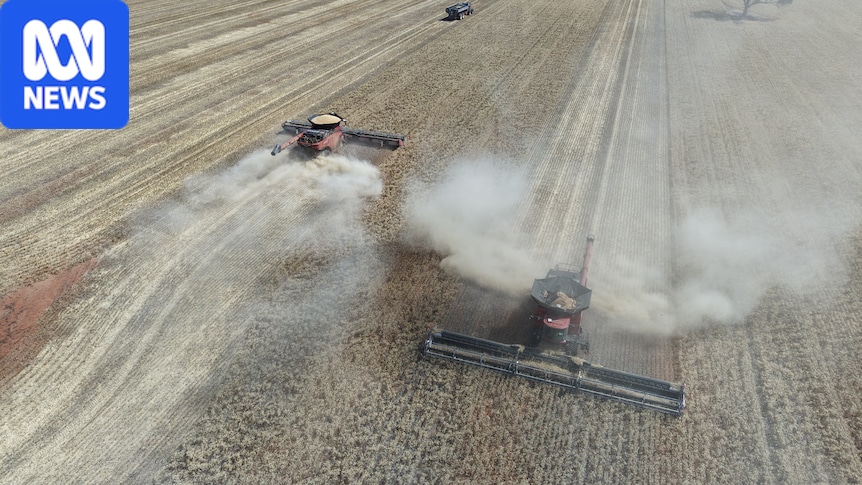
Harvesting technology has transformed farming in western NSW, replacing open-air cabins and manual labour with air-conditioned machines that work ten times faster.
In brief
Harvesting technology has transformed farming in western NSW, replacing open-air cabins and manual labour with air-conditioned machines that work ten times faster. Harvesting machinery in western NSW has evolved from open-air cabs and five to six tonnes per hour to air-conditioned harvesters processing over one…
From dust to air conditioning
Farmers in western NSW once endured long harvest days in open-air cabins, swatting flies and battling heat and dust. Modern air-conditioned harvesters now strip vast paddocks in a fraction of the time.
Rob McCutcheon's five decades
Narromine region farmer Rob McCutcheon has worked on the land since nineteen sixty-nine. His family has farmed in the region for more than a century, witnessing the transformation firsthand.
Harvest rates multiplied tenfold
When McCutcheon started, harvesting five or six tonnes of grain an hour was a major achievement. Today, the largest machines harvest more than one hundred tonnes in the same time.
Queues through town vanished
Grain delivery queues once stretched ten blocks through Narromine, with farmers waiting an entire day to unload one load.
Horsepower jumped from two hundred eighty to seven hundred seventy-five
Machinery dealer John Plunkett says in the early two thousands, harvesters had about two hundred eighty horsepower and harvested between twenty and thirty-five tonnes an hour.
Four machines replaced by two
Increased capacity has reduced labour requirements. Plunkett cites one customer who recently replaced four older harvesters with two larger machines, with further automation expected as combines drive themselves down the track.
The takeaway
Harvesting machinery in western NSW has evolved from open-air cabs and five to six tonnes per hour to air-conditioned harvesters processing over one hundred tonnes hourly, reducing labour needs and improving working conditions.
Read the TL;DR — this story on one card.