From Agência Brasil · · 1m
Brazil’s humpback whale season ends with fewer calves
Fewer humpback whale calves this year as global warming impacts breeding grounds.
In brief
Fewer humpback whale calves this year as global warming impacts breeding grounds. Brazil’s humpback whale season ended with fewer calves due to climate change affecting krill availability. Originally reported by Agência Brasil.
Whale season ends early
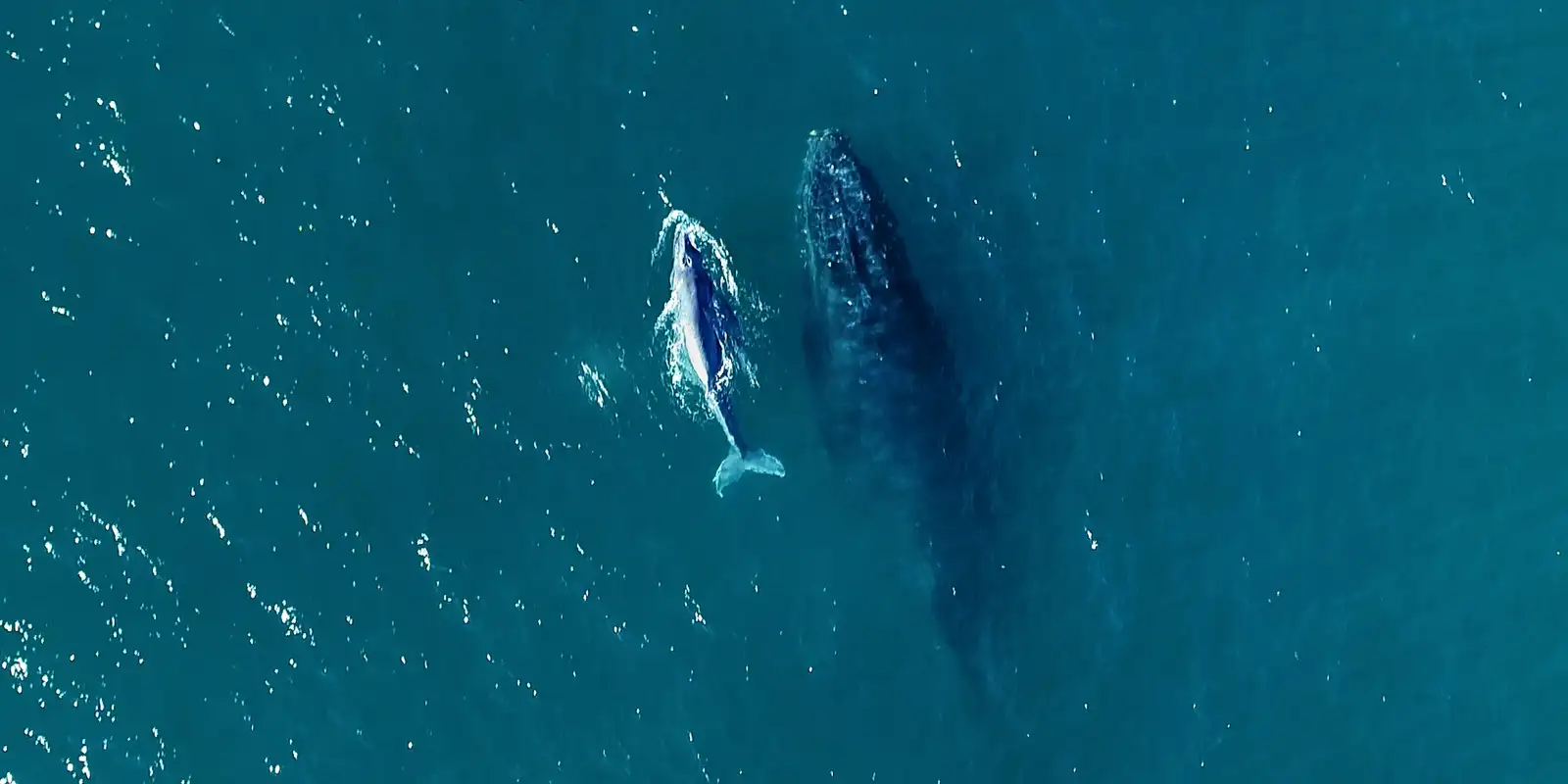
Brazil’s humpback whale season ended with fewer calves than usual.
Fewer calves recorded

Calves accounted for 3.35 percent of observed whales this year, down from 9.98 percent since 2014.
Climate change impact
Global warming may be reducing krill availability in Antarctica, affecting whale food sources.
Whale breeding challenges
Whales that don’t feed properly become less fertile and risk losing calves during migration.
Stranding patterns shift
Santa Catarina and São Paulo recorded more strandings than usual this year due to fewer calves.
Krill availability link
Low krill availability in Antarctica correlates with increased strandings in 2010, 2017, and 2018.
Future risks
If krill availability continues to decline, more whale deaths may occur next year due to cumulative effects.
At a glance
Brazil’s humpback whale season ended with fewer calves due to climate change affecting krill availability.