From Agência Brasil · · 1m 50s
Circular economy generates up to USD 15.8 billion in Brazil
Brazil's circular economy creates BRL 31 billion to BRL 90.7 billion (USD 15.8 billion) in value, with recycling dominating funding.
In brief
Brazil's circular economy creates BRL 31 billion to BRL 90.7 billion (USD 15.8 billion) in value, with recycling dominating funding. Brazil's circular economy generates BRL 31 billion to BRL 90.7 billion (USD 15.8 billion) through investments in recycling, waste management, and material recovery. Originally reported…
Circular economy value in Brazil

Brazil's circular economy generates between BRL 31 billion and BRL 90.7 billion (up to USD 15.8 billion) as per a new survey by the country’s National Confederation of Industry (CNI).
Funding distribution in circular economy
The study shows funds allocated directly to circularity account for 3.5 to 10.3 percent of Brazil’s sustainable finance market estimated at BRL 884 billion.
Funding imbalance in circular economy
Most funds concentrate in recycling, waste management, and material recovery (80.8%), while projects for waste prevention and sustainable products receive smaller shares (11.5% and 7.7%).
Circular economy definition
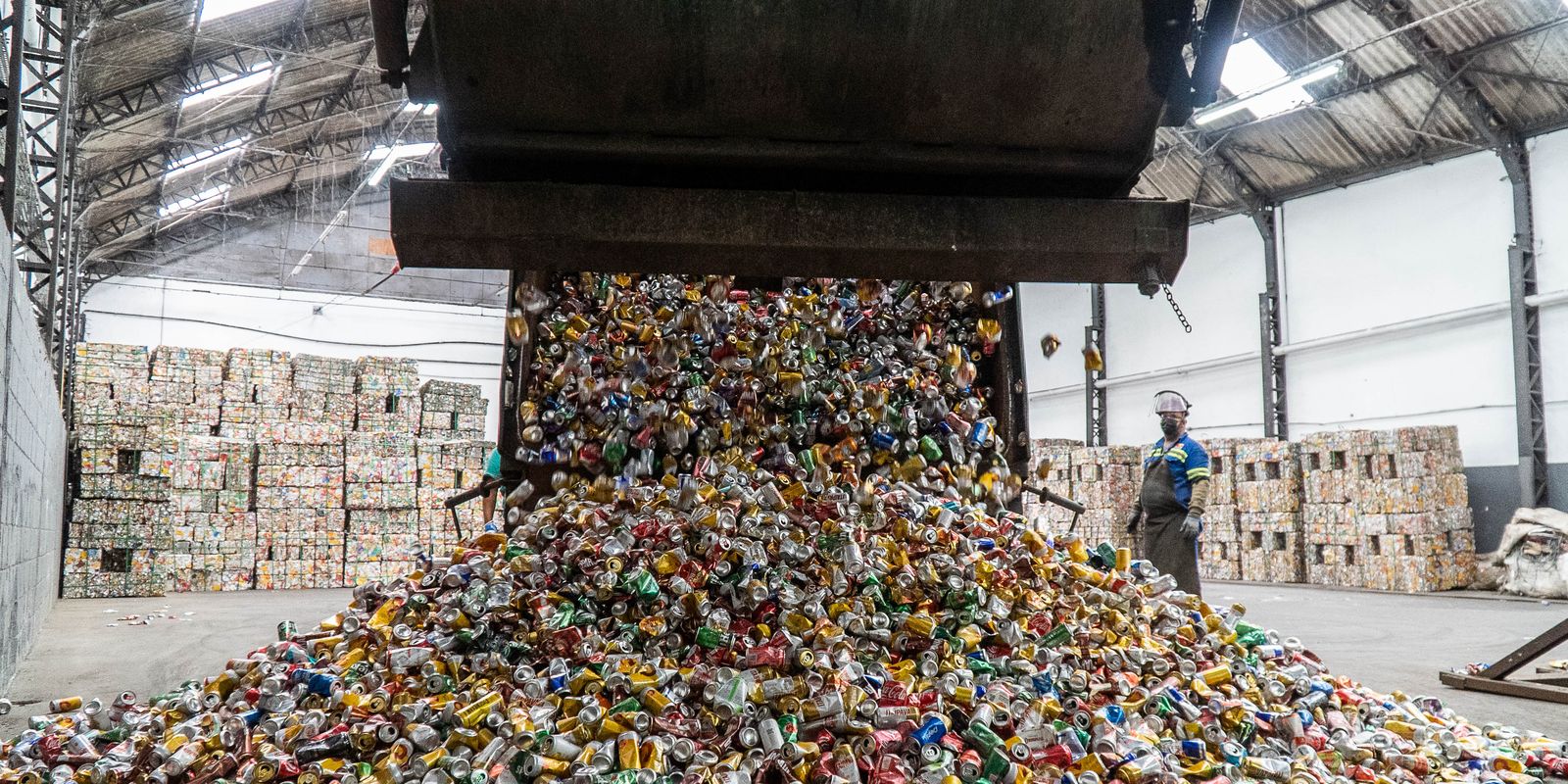
Unlike the linear economy, the circular economy keeps materials in use for longer through sustainable design, reuse, repair, recycling, and resource efficiency.
Financing instruments for circular economy
CNI’s Superintendent Davi Bomtempo highlights green loans (27.9%), venture capital (20.9%), and blended finance (16.3%) as key funding sources.
Challenges to circular economy expansion
The study identifies difficulty in classifying circular initiatives and low public awareness (only 13% of Brazilians know about circular economy).
Sector funding distribution
Public sector accounts for BRL 44 billion across seven major investments, while manufacturing and public utility services receive 46.4% and 32.1% of transactions.
The bottom line
Brazil's circular economy generates BRL 31 billion to BRL 90.7 billion (USD 15.8 billion) through investments in recycling, waste management, and material recovery.
Read the TL;DR — this story on one card.