From Anthropic · · 4m
AI agents can now control lab equipment safely
Anthropic releases a shared standard that lets AI agents operate multiple lab and manufacturing devices in parallel, cutting integration time from weeks to minutes.
In brief
Anthropic releases a shared standard that lets AI agents operate multiple lab and manufacturing devices in parallel, cutting integration time from weeks to minutes. The Model Hardware Standard eliminates weeks of custom integration work by giving AI agents a universal way to discover, understand, and safely operate…
New standard for AI hardware control
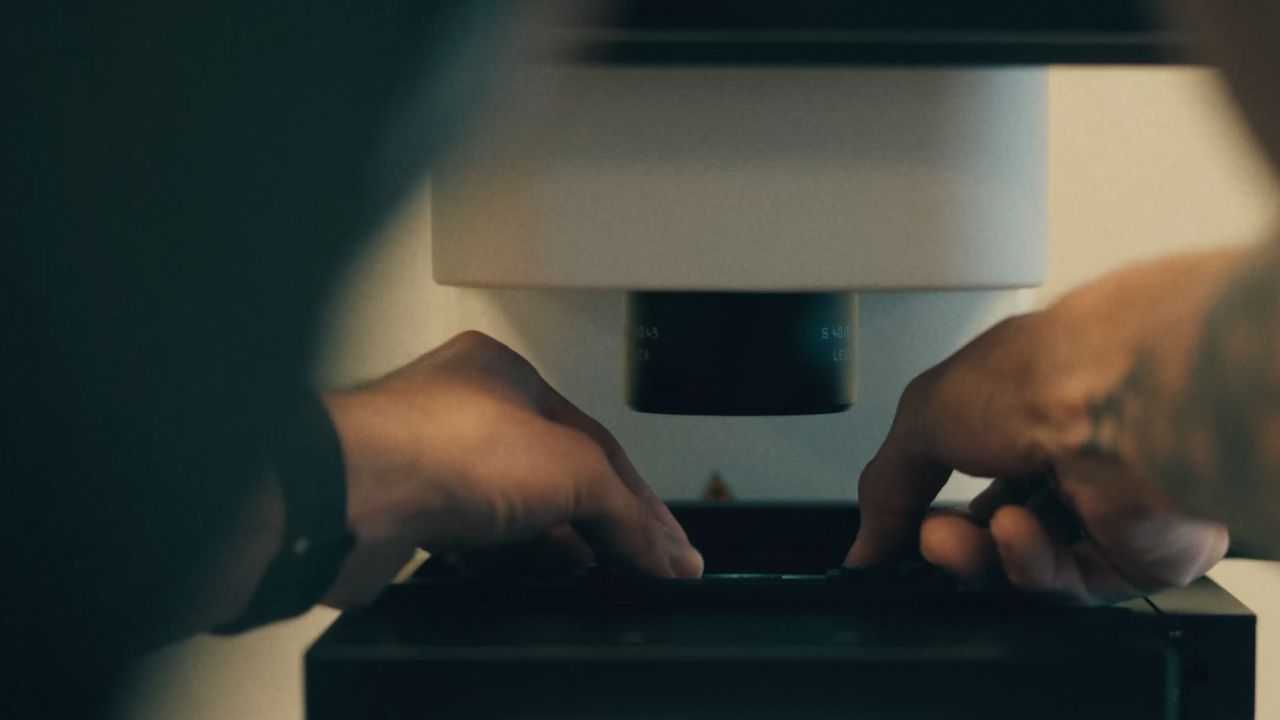
Anthropic is previewing the Model Hardware Standard, a shared specification that lets AI agents safely operate multiple lab and manufacturing devices like microscopes, liquid handlers, and robotic arms in parallel.
Integration takes weeks, not hours
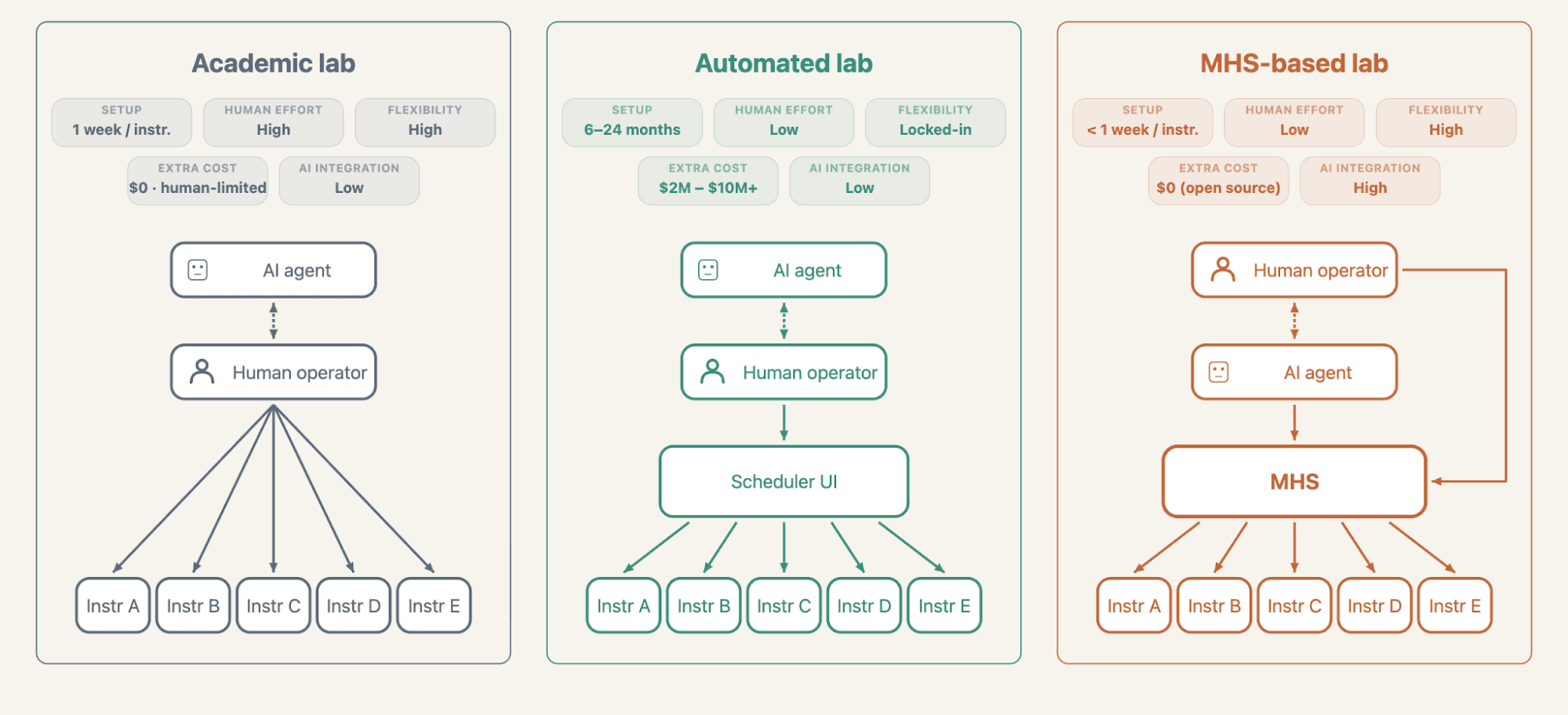
Most labs spend weeks or months integrating hardware because devices don't communicate with each other. The standard reduces this work to hours or minutes by providing a unified interface.
AI orchestrates round-the-clock work
Agents can reason through experiment steps, update parameters in real time, and recover from hardware errors without human intervention, enabling autonomous workflows that run continuously.
How the standard works
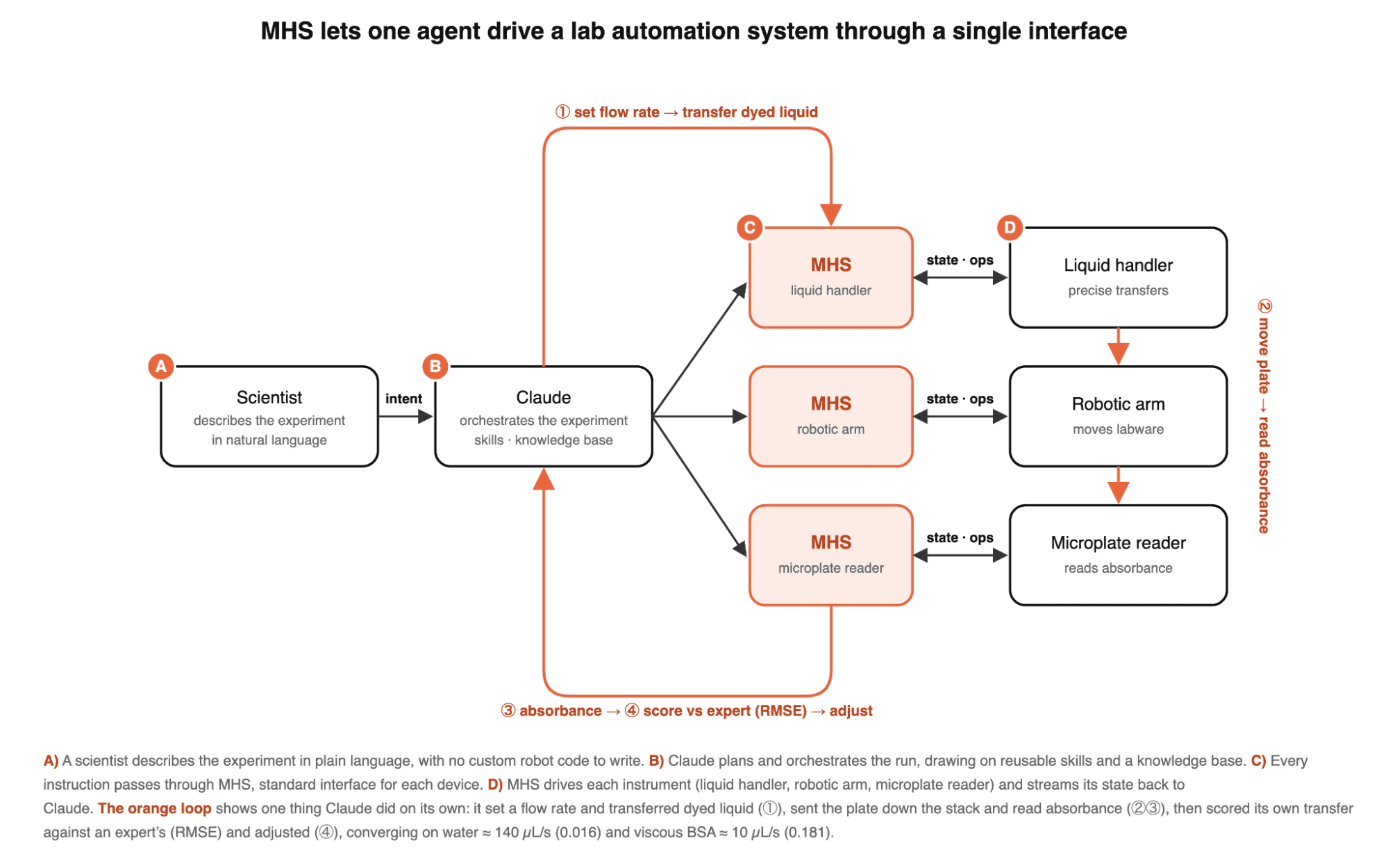
The Model Hardware Standard introduces a standardized driver that translates between operating systems and hardware devices using simple commands like read and write that any device can understand.
Devices become discoverable
The MHS driver makes each device discoverable in a standard format so devices and agents can find each other and communicate across networks without needing custom translator programs.
Natural language device knowledge
Users can write device information directly in natural language tags, replacing paper manuals and tacit knowledge. The driver automatically produces reference files with safety limits and capabilities.
Three control mechanisms
Agents control hardware through the Model Context Protocol, command line interface, and code files. These work together to enable orchestration across multiple devices via a single line of code.
Claude learns like a scientist
Claude interacts with experiments exploratorily, making adjustments, observing results, and iterating. It then packages what it learns into code files for deterministic scripts that run without reasoning at each step.
Genentech automates protein assays
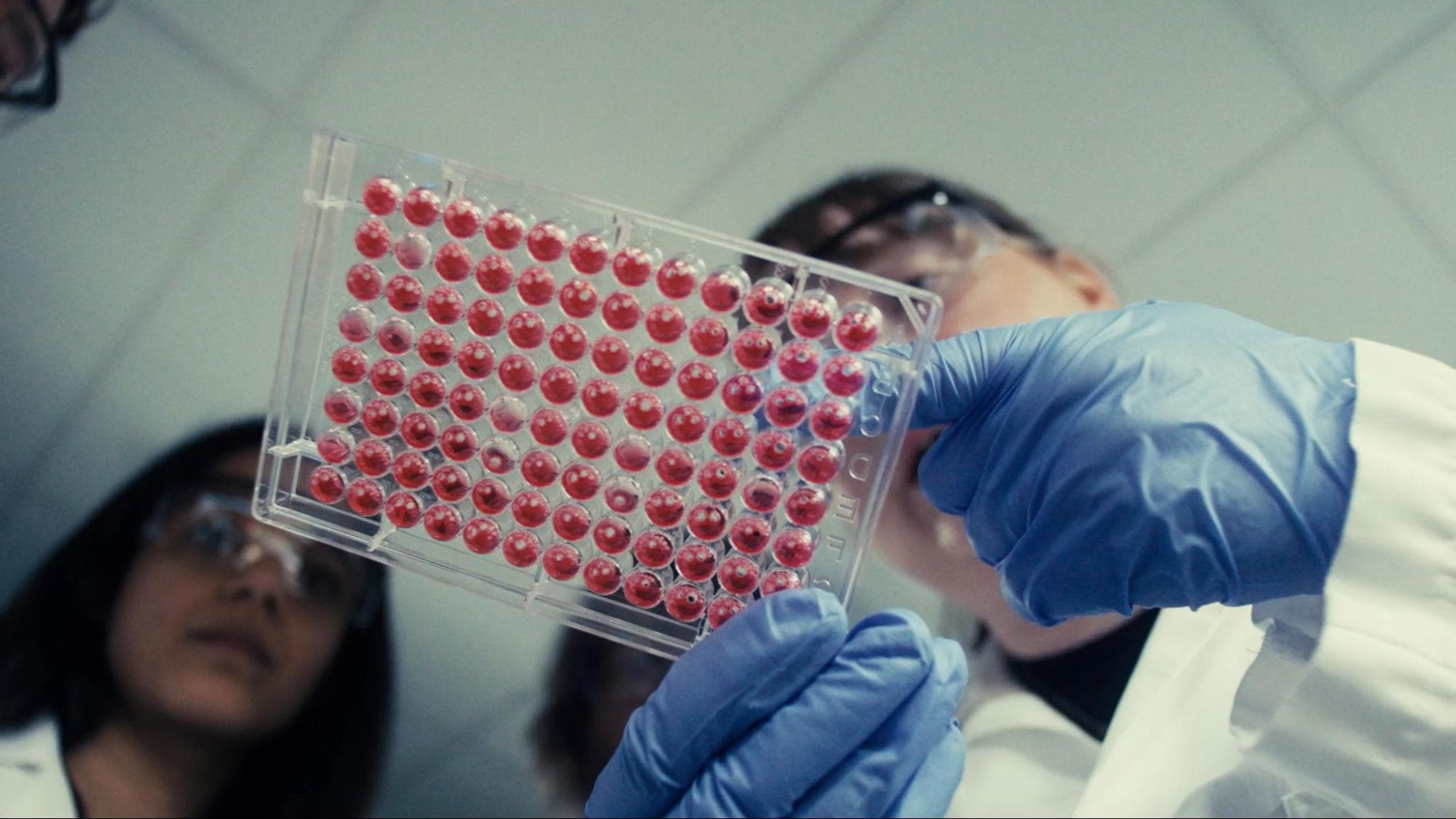
Genentech used MHS to automate the BCA protein assay, coordinating a liquid handler, robotic arm, and plate reader to measure protein concentration in samples.
University of Washington speeds qPCR
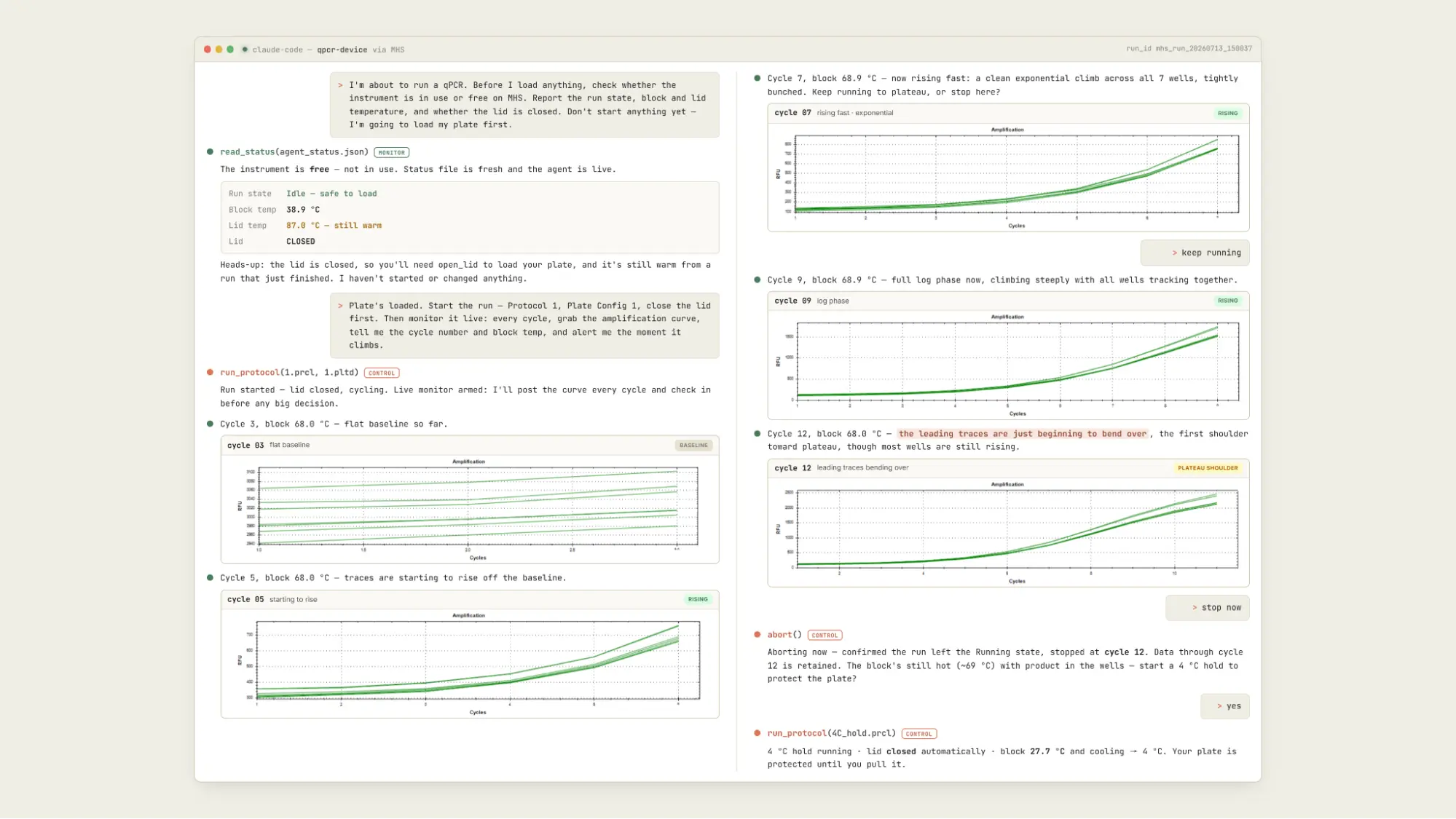
PhD student Zihao Song built a dashboard to remotely monitor instruments and created an AI agent-supervised qPCR that watches amplification curves and halts at the right moment automatically.
Carnegie Mellon triples experiment speed
Researchers ran dose-response experiments three times faster by using MHS to orchestrate a liquid handler, plate reader, robotic arm, and cameras across three incompatible computer systems.
HHMI Janelia unifies microscopy rigs
Scientist Virginie Ruetten used MHS to unify a microscopy rig that previously required seven different vendor programs with no shared interface, accelerating sleep and stress research.
QuEra stabilizes quantum lasers
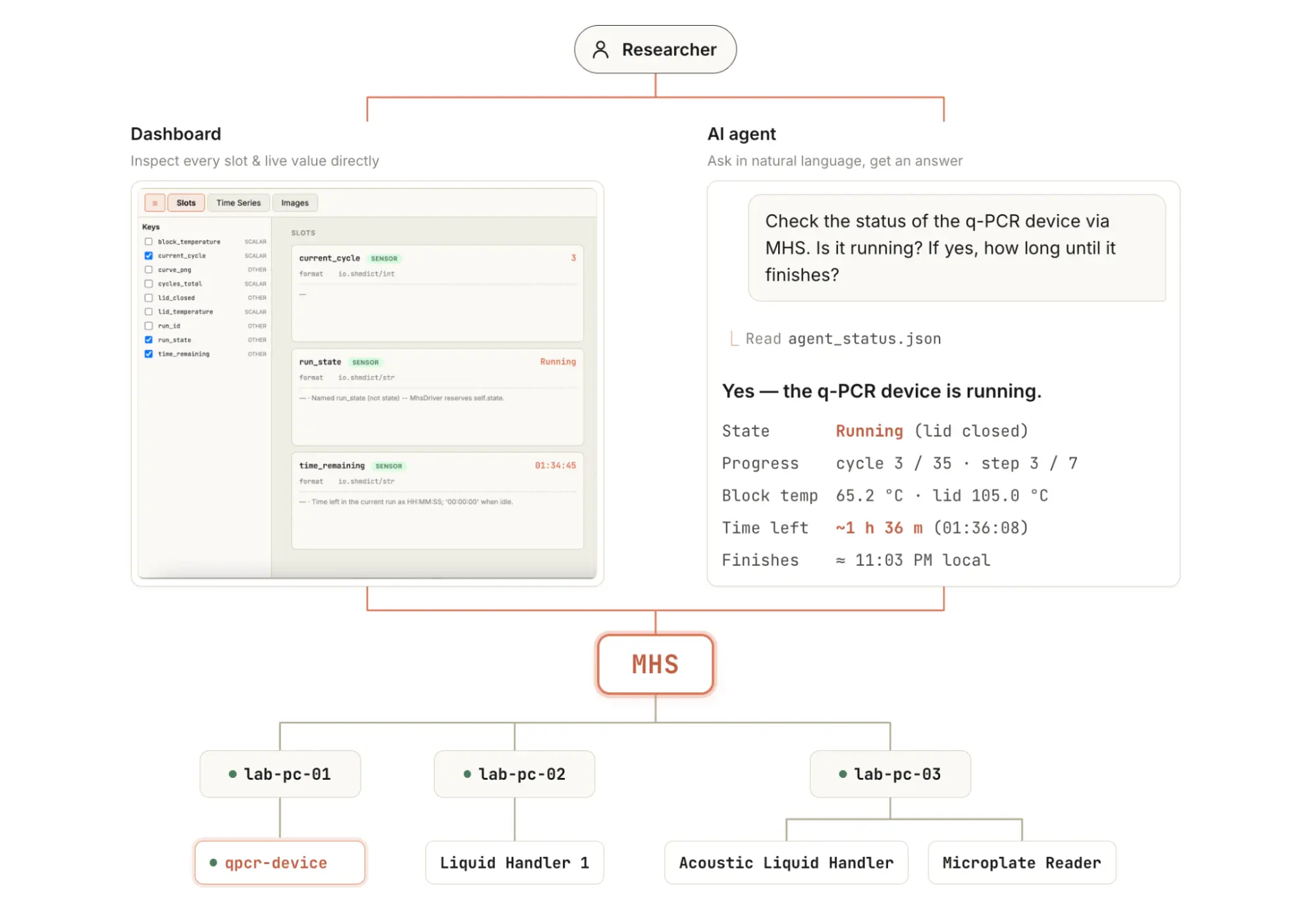
QuEra used MHS to give an AI agent control over its quantum computer's laser system. The agent developed a controller that recovers laser lock 99.3 percent of the time without human intervention.
Hardware vendors adopt the standard
Amazon Web Services, Automata, Danaher, Doosan Robotics, and others are building MHS support into their equipment so AI agents can more easily discover and operate their devices.
Safety work continues before launch
Anthropic is building safety evaluations with partners and developing a physical safety roadmap before open-sourcing MHS. Claude's spatial reasoning still requires expert oversight in some cases.
“As a large language model, Claude learns about the physical world through text and images, meaning its spatial and physical reasoning have limitations that still require expert oversight.”
Early adopters expanding support
Hugging Face is adding MHS support to LeRobot, their robotics library. Raspberry Pi is enabling MHS integration across their products following successful tests with their Camera MHS Driver.
Join the research preview
Anthropic is inviting stakeholders across industries to join the waitlist for the Model Hardware Standard research preview to collaborate on safety and best practices.
The short version
The Model Hardware Standard eliminates weeks of custom integration work by giving AI agents a universal way to discover, understand, and safely operate any device with a programmable interface.