From Ars Technica · · 1m 50s
AI clones are silencing indie game developers
Indie developers are hiding their work to protect it from AI-powered copycats that can replicate games in days.
In brief
Indie developers are hiding their work to protect it from AI-powered copycats that can replicate games in days. Fear of AI-generated clones is pushing indie developers to stop sharing early work publicly, changing how games are promoted and developed. Originally reported by Ars Technica.
Cloning has always been part of gaming
The video game industry has long relied on developers creating clones of competing games with varying originality and enforcement.
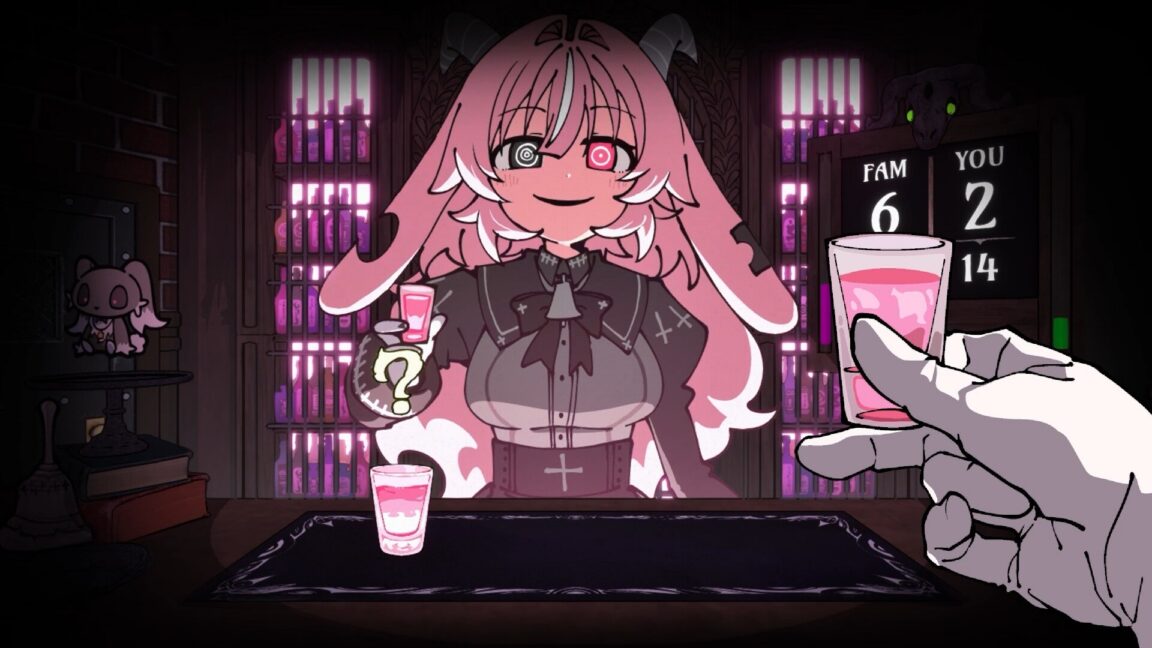
Alliance Arts delays demo over AI theft fears
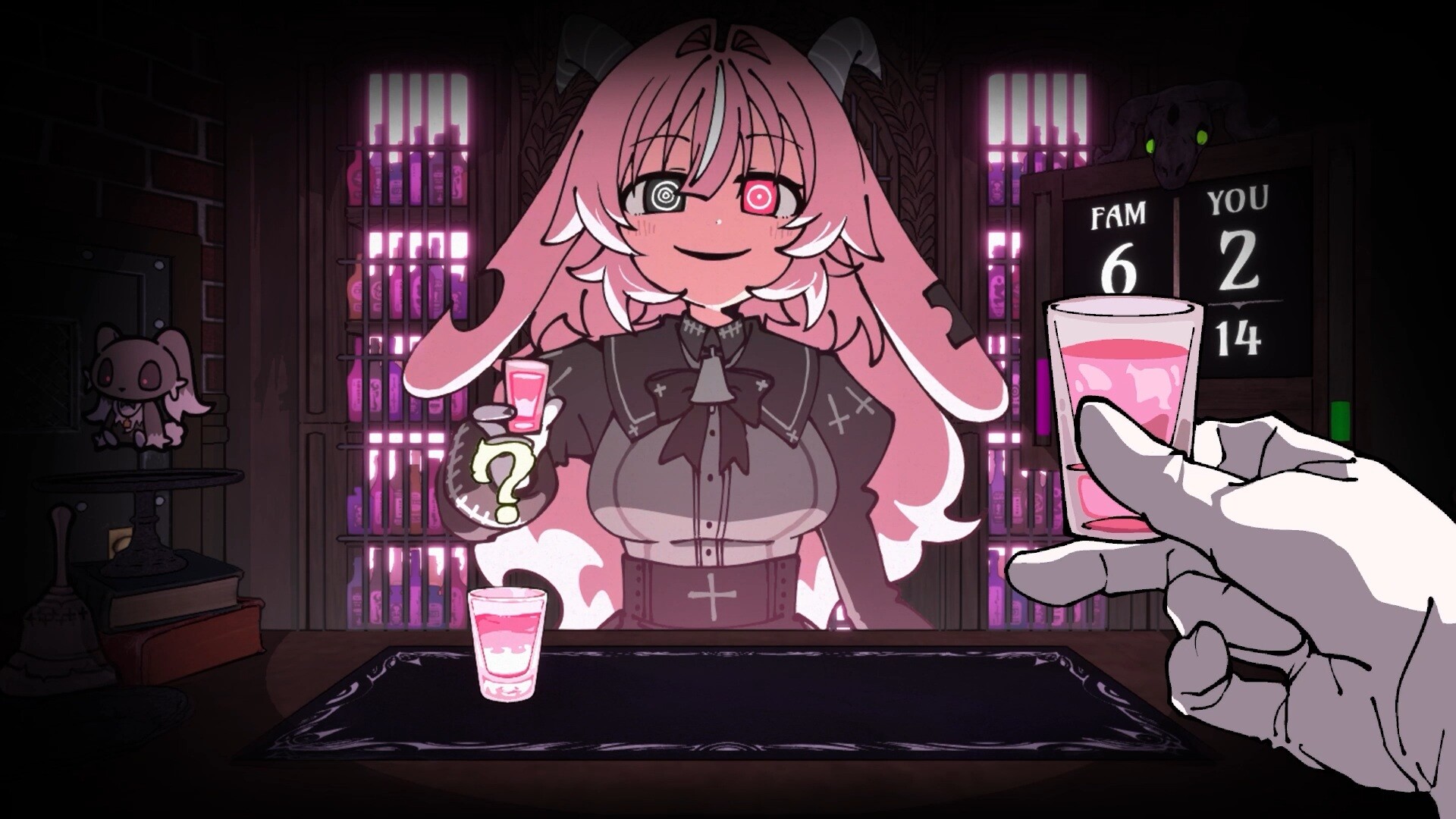
Developer Alliance Arts postponed the public demo for its game Drunken Goddess Reflux, which was set to launch with Steam Next Fest.
“we're concerned that the demo's content could be used to quickly imitate or replicate the game's presentation and gameplay with AI or other tools”
Papers, Please creator won't share work in progress
Lucas Pope, developer of Papers, Please, said on an April podcast that he no longer discusses work in progress because he fears it will be copied by AI or other developers.
“you don't really talk about stuff when you're working on it because I don't know it's going to get slurped up by AI”
Freya Holmér's rotating Tetris cloned within days
In March, developer Freya Holmér shared a video of a Tetris-style game played on a rotating pivot point. Days later, multiple vibe-coded copies made the concept widely playable before Holmér could release her own version.
Indie developers face an impossible choice
McPixel developer Sos Sosowski documented numerous examples of indie developers complaining about AI-generated clones.Sosowski wrote that developers face a bind: don't share your game and lose sales, or share it and watch it get stolen.
“Don't share your game, no sales. Share your game, gets stolen. How do you even survive as an indie in the current landscape?”
Some defend cloning as not inherently wrong
Charlie Greenman, who posted an AI-powered clone of Holmér's rotational Tetris game, told 404 Media he saw nothing wrong with it.
“When it gets to that point, is one song copying another? Is one game copying another?”
Holmér moves forward despite the clones
After the initial flood of AI clones of her rotational Tetris prototype, Holmér said engagement dropped and she felt more able to take her time making something good she could be proud of, rather than…
“there's way less engagement now, and I feel more in the clear to take my time to actually make something right, something good I can be proud of”
At a glance
Fear of AI-generated clones is pushing indie developers to stop sharing early work publicly, changing how games are promoted and developed.