From Ars Technica · · 5m
Amazon builds 1,000th satellite, launches space internet this year
Amazon is weeks away from launching its satellite internet service, challenging SpaceX's Starlink dominance with faster speeds and enterprise security.
In brief
Amazon is weeks away from launching its satellite internet service, challenging SpaceX's Starlink dominance with faster speeds and enterprise security. Amazon has built its one thousandth satellite and will launch commercial satellite internet service by the end of twenty twenty-six, competing directly with SpaceX's…
Amazon enters the space internet market
Amazon is launching a satellite internet service to compete with SpaceX's Starlink, which has dominated the market for the last half-decade. The service is being watched by airlines, shipping companies and governments.
Rajeev Badyal leads Amazon's effort
Rajeev Badyal, who led Starlink during its early years before Elon Musk fired him eight years ago for moving too cautiously, now heads Amazon's broadband constellation project.
Amazon reaches critical manufacturing milestone
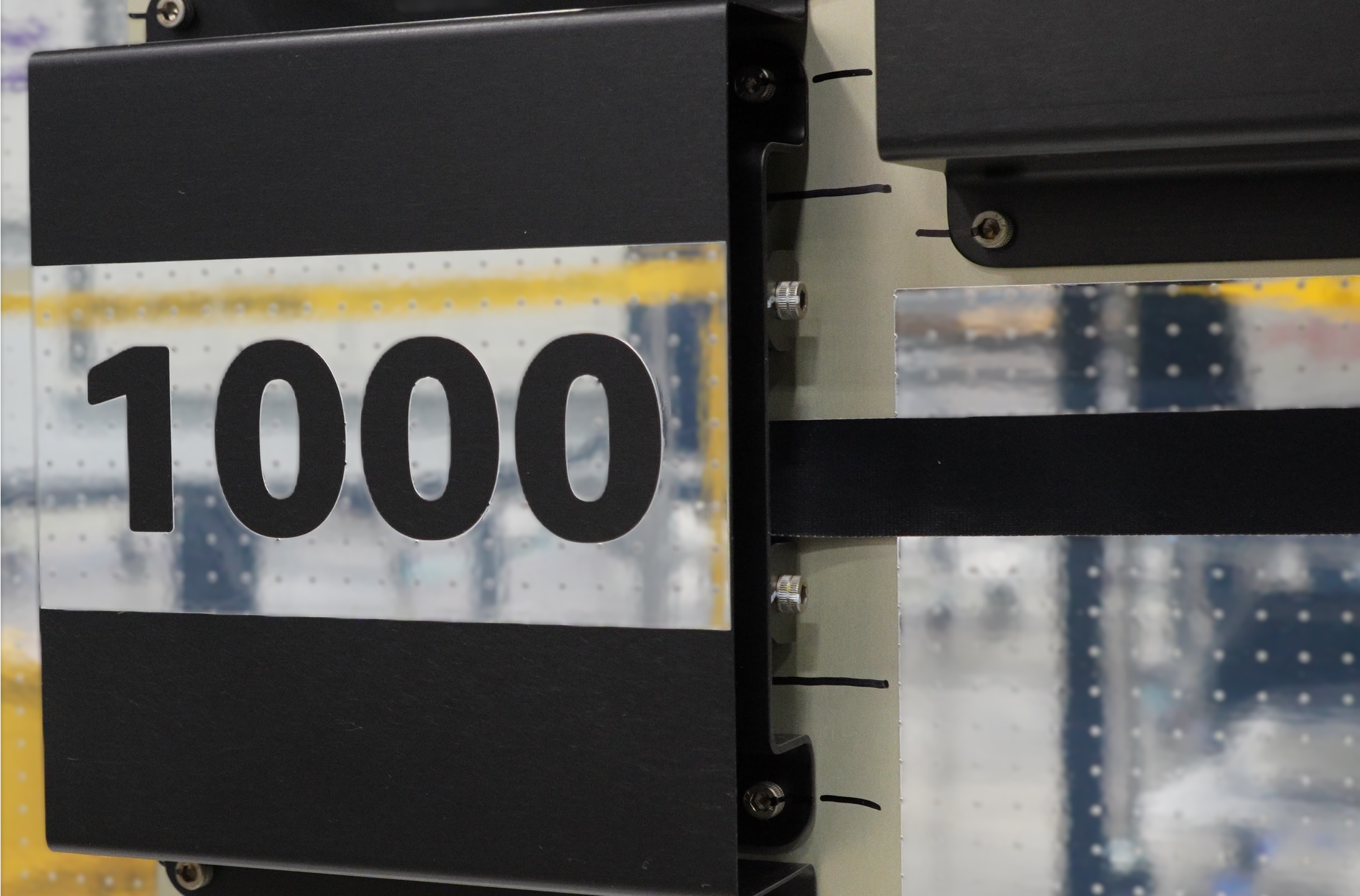
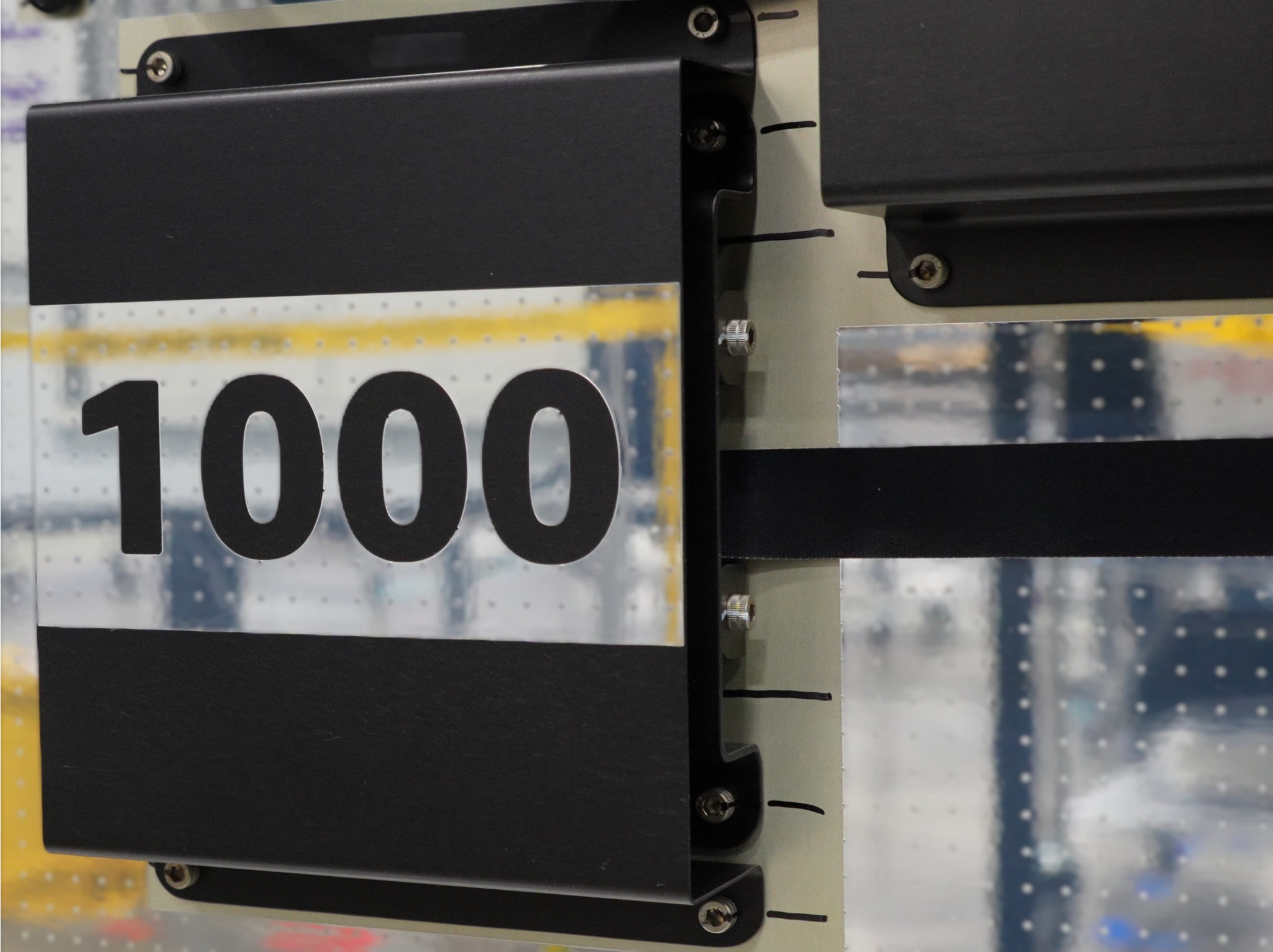
Amazon has manufactured its one thousandth satellite at its Kirkland, Washington factory and is weeks away from offering commercial service for the first time.
Scaling production proved brutally difficult
Building a couple of satellites is straightforward, but building at scale is exponentially harder. Amazon took six months to make its first twenty-seven satellites but now makes twenty-seven a week.
“Building a couple of satellites is pretty straightforward, but building at scale is just exponentially harder.”
Design had to account for manufacturing
Amazon pushed hard for a culture where satellites were designed to be both functional and mass-producible from day one, requiring teams to work hand-in-hand continuously improving processes and designs.
Factory built while designing satellites
Amazon took an empty one hundred seventy thousand square foot building in December twenty twenty-two and turned it into a satellite factory over the next fifteen months while still designing the satellites.
Selective vertical integration strategy
Amazon keeps high-value intellectual property components in-house, like its propulsion system designed and built entirely internally, while sourcing other components from external partners with decades of experience.
Testing blended space and consumer standards
Amazon blended rigorous NASA space testing standards like SMC-S-zero one six with higher-volume consumer electronics testing procedures, reducing testing time from days and weeks to hours while maintaining quality.
Satellites built in several weeks
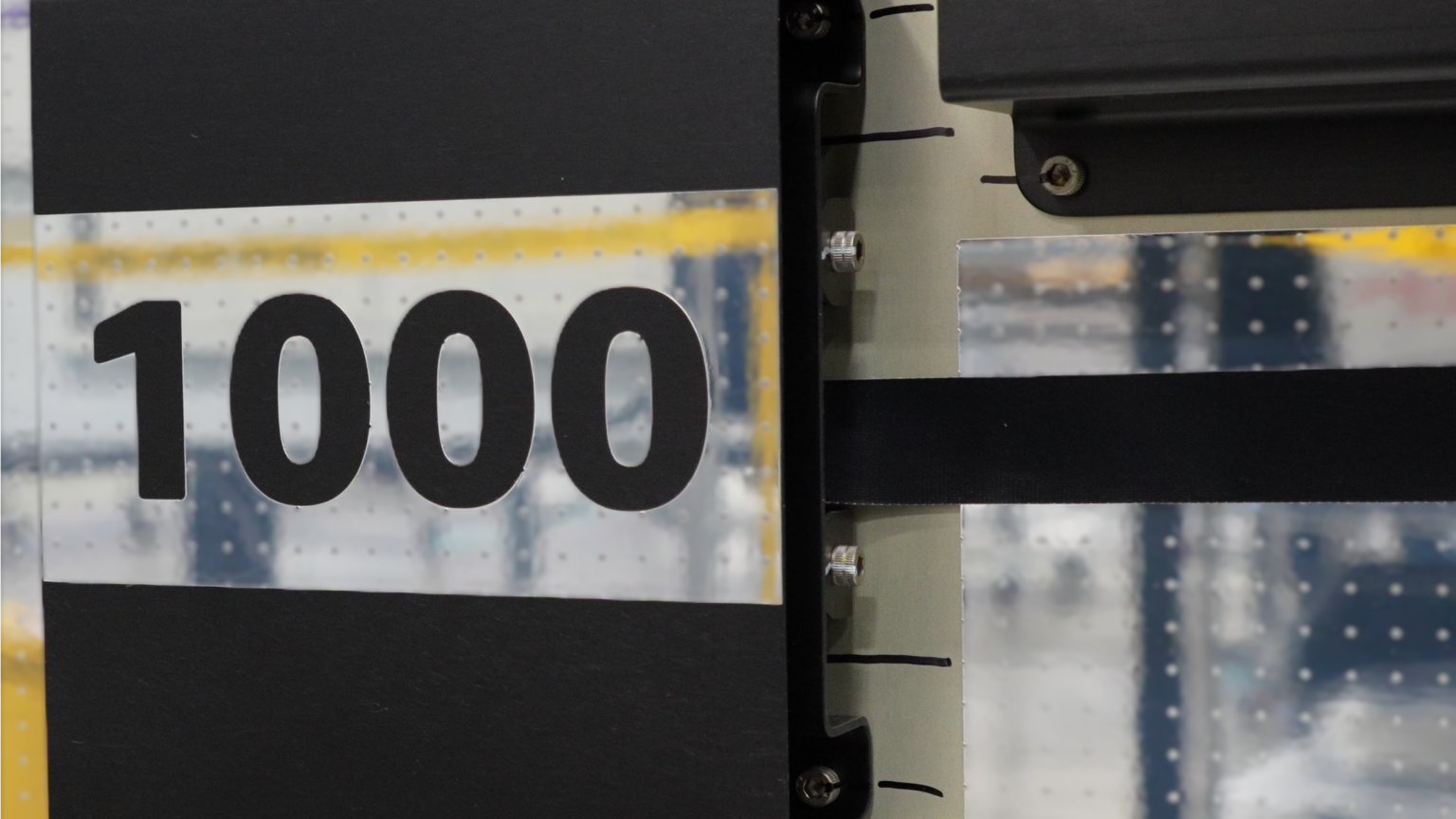
Amazon manufactures a satellite from first station through testing and packing in several weeks, or one to two weeks as processes improve. The factory paces production based on launch cadence to ensure satellites are ready.
Architecture validated in early twenty twenty-six
Amazon designed its constellation architecture in the first three months of twenty eighteen, but did not confirm until early twenty twenty-six that all decisions in silicon design, antenna design and gateway design would meet performance needs.
Live demonstration of network working
Rajeev Badyal demonstrated the Amazon Leo network working by watching Formula One on his phone using Leo satellites and antennas on the building rooftop, showing the network already meets all performance requirements.
“Right now, I'm actually watching Formula One on my phone. This is Leo running on my phone, and the antennas on the rooftop of this building.”
Diverse rocket partners reduce risk
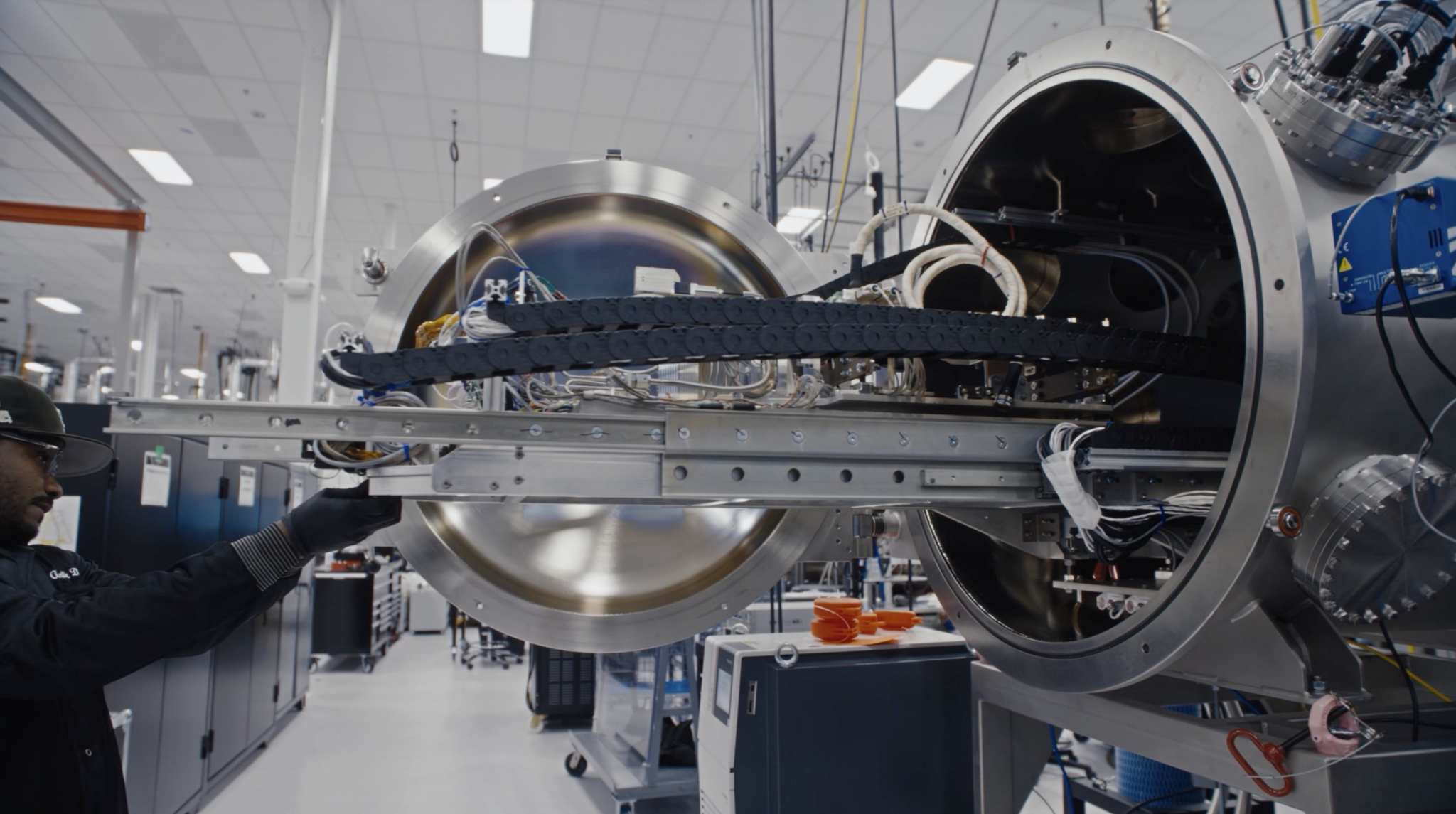
Amazon signed deals with ULA, Blue Origin, Arianespace and SpaceX from day one to ensure diverse heavy lift vehicles. This diversity strategy protected Amazon despite delays from Vulcan and Blue Origin anomalies.
Vulcan launches imminent with two rockets ready
Amazon is weeks away from launching on Vulcan, followed by an Arianespace launch and at least one more Vulcan this year. Two vehicle integration facilities now allow processing two Vulcan rockets simultaneously.
“I can say we're weeks away from launching on Vulcan. Things are on track.”
Three hundred ninety-six satellites already in orbit
Amazon has three hundred ninety-six satellites in orbit and is raising them into final position. The company already has enough satellites to launch initial service and future flights will expand coverage and resiliency.
“We have 396 satellites in orbit.”
Service launch planned for twenty twenty-six
Amazon plans to launch initial service in twenty twenty-six after completing work to raise satellites into final position and finishing ground infrastructure. The company is still in early October.
“The plan is to launch initial service in 2026.”
Amazon claims three times faster downlink speeds
Amazon offers a gigabit on the downlink and four hundred megabits on the uplink, compared to Starlink's approximately three hundred fifty on the downlink and forty on the uplink. This gives Amazon a three times performance advantage on downlink and eight to ten times on uplink.
“We have a 3x performance advantage on the downlink, and somewhere between eight and 10x on the uplink.”
Security and enterprise features differentiate service
Amazon uses AES-two fifty-six encryption across the network and offers private networking options allowing customers to route traffic from antenna to satellite to gateway without touching the internet, plus enterprise-grade service level agreements.
Delta Airlines chooses Amazon over Starlink
Amazon has signed contracts with customers including Delta Airlines, which chose Amazon Leo over Starlink for its planes. This decision upset SpaceX founder Elon Musk.
Consumer service emphasizes value and integration
Amazon plans to offer consumers the best value through price and performance, ease of use with creative acquisition and installation methods, and integration with Amazon assets like Prime, Prime Video, eero routers, Fire TV and Ring.
Generation two constellation already in design phase
Amazon's first-generation constellation will have three thousand two hundred thirty-two satellites. The company has already filed generation two plans with the FCC and is in design phase, promising continued improvements for enterprise, government and consumer customers.
In short
Amazon has built its one thousandth satellite and will launch commercial satellite internet service by the end of twenty twenty-six, competing directly with SpaceX's Starlink.