From Ars Technica · · 3m
Ancient Egypt's retainer sacrifice revealed in skulls
Forensic analysis of 1920s excavations shows evidence that early pharaohs may have killed servants to accompany them to the afterlife.
In brief
Forensic analysis of 1920s excavations shows evidence that early pharaohs may have killed servants to accompany them to the afterlife. Bioarchaeologist Roselyn Campbell found blunt force trauma in about thirty-nine percent of forty-six skulls from First Dynasty tombs, suggesting retainer sacrifice was practiced in…
The ancient sacrifice debate
Egyptologists have long debated whether early pharaohs of the First Dynasty were buried with servants and officials to serve them in the afterlife, a form of human sacrifice called retainer sacrifice.
New evidence from old skulls
A paper in Frontiers in Environmental Archaeology reassesses skulls excavated from tombs in the nineteen twenties and finds that over one-third show evidence of blunt force trauma, suggesting they may have been retainer sacrifice victims.
Who is Roselyn Campbell
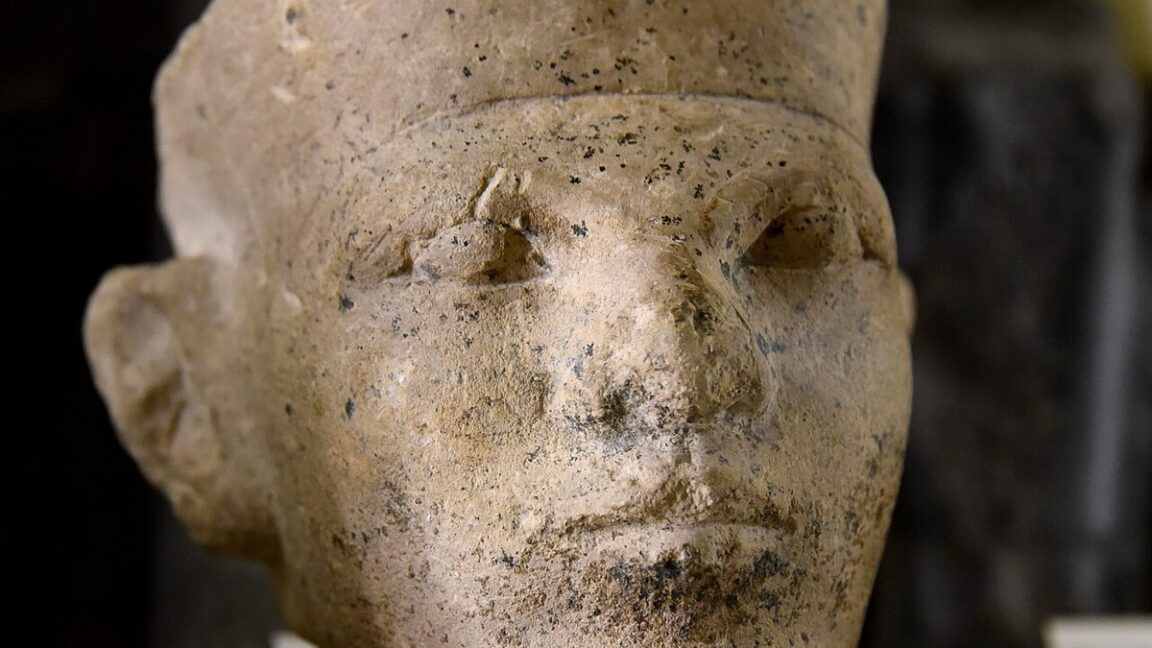
Roselyn Campbell is a bioarchaeologist at Purdue University who studies human sacrifice and how different cultures define violence. She wanted to settle the retainer sacrifice question using modern forensic methods.
Two camps, no middle ground
Campbell notes scholars fall into two camps: those who say retainer sacrifice definitely happened and those who say it definitely did not. Nobody had looked at the bones in a very long time using modern forensic science.
“People tend to fall into one of two camps. Either retainer sacrifice definitely happened, end of discussion, or it definitely didn't happen, end of discussion. But nobody's actually looked at the bones in a very long time.”
The Abydos collection
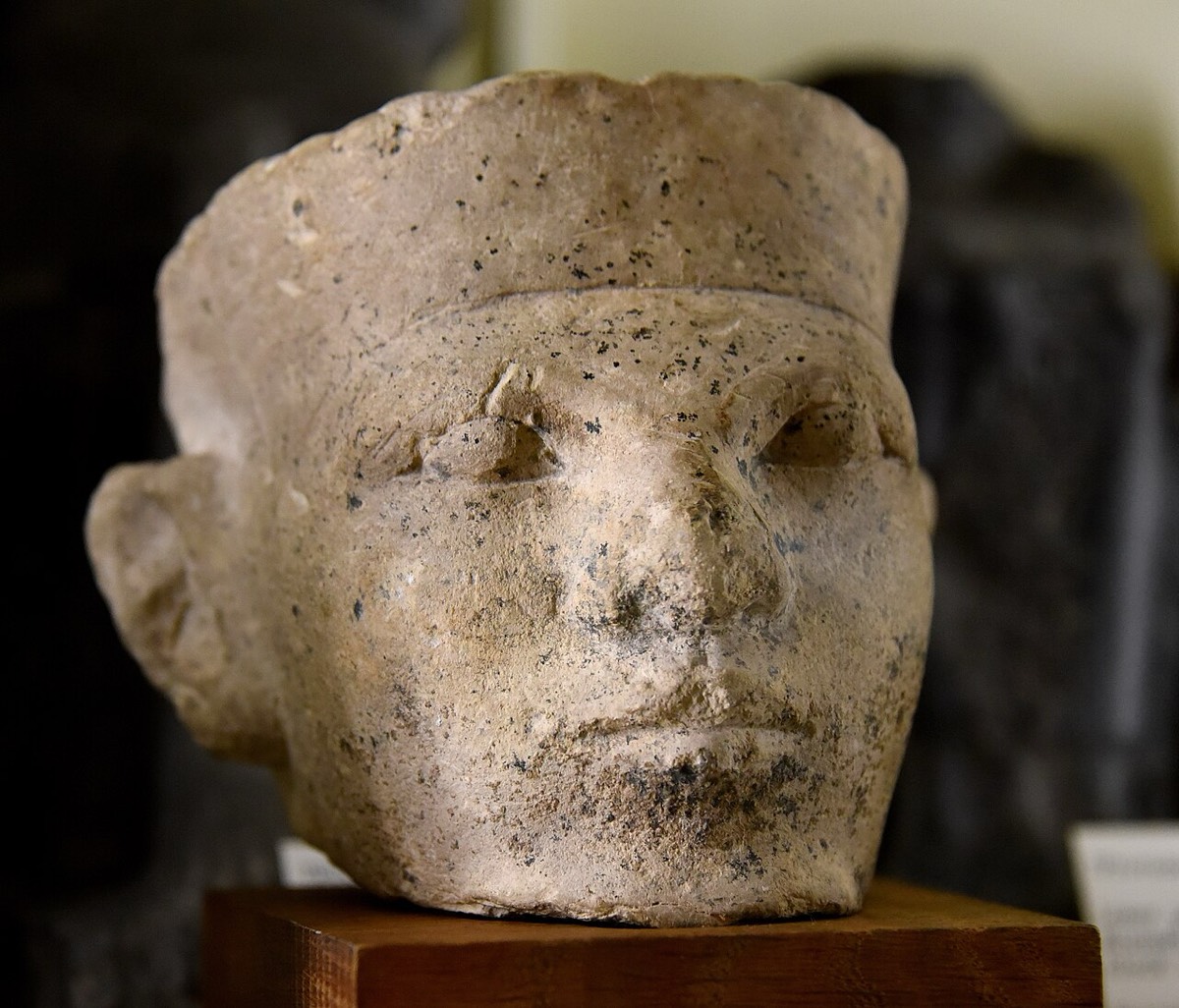
Campbell studied forty-six skulls excavated by British archaeologist Flinders Petrie in the nineteen twenties from Abydos in southern Egypt, a royal necropolis where early pharaohs were buried along with subsidiary burials of presumed retainers.
Petrie's preservation problem
Petrie coated the skulls in paraffin for preservation and shipped them to England. He measured long bones from ninety-six people before reburying them in a pit all mixed together, destroying vital forensic information.
Petrie's racist legacy
Petrie was a proponent of dynastic race theory and deeply racist ideas about cranial capacity. He focused on skulls because phrenology held sway, and he believed native Egyptians could not have built the monuments themselves.
Modern forensic findings
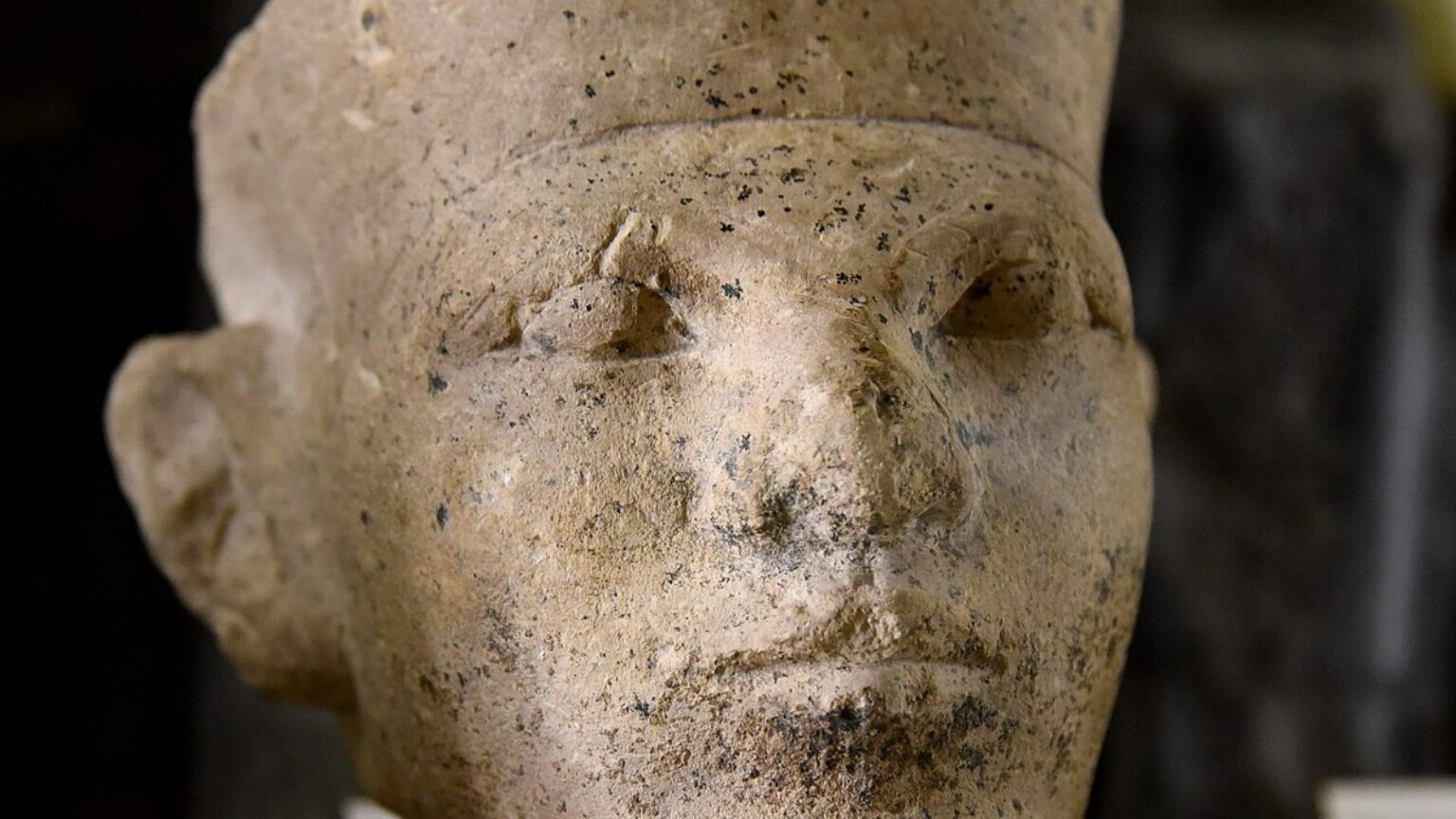
Campbell found linear fractures in eighteen of the forty-six skulls, about thirty-nine percent, suggesting blunt force trauma that would have knocked individuals unconscious, caused internal bleeding, and likely death.
What Petrie missed
Petrie did not note evidence of fatal trauma on the remains. Campbell says he was a careful observer but did not know what he was looking at. Modern forensic science can differentiate injury timing by studying how bone reacts to different forces.
The weapon question
Egyptian rulers are shown smiting enemies with a mace, which would cause depressed fractures, not the linear variety found here. Campbell suggests a flat, wide, lighter weapon, possibly a wooden club or even a sandbag.
Why sacrifice the retainers
Campbell argues that establishing a new form of government relying on a divine ruler required demonstrating control over life and death. Belief in an afterlife meant officials and servants would have a function after death.
“When you establish a new form of government, especially one that relies on a single divine or semi-divine ruler, you have to convince a huge population that you're in power, and control over life or death is one of the best ways to do that.”
The scale and cost
The First Dynasty burials show retainer sacrifice at scale, but it died out quickly. Killing hundreds of people every twenty to forty years was economically costly and unsustainable, suggesting the practice was not long-lived.
“It is economically very costly to kill off hundreds of people every 20 to 40 years. That's not really sustainable.”
In short
Bioarchaeologist Roselyn Campbell found blunt force trauma in about thirty-nine percent of forty-six skulls from First Dynasty tombs, suggesting retainer sacrifice was practiced in ancient Egypt.





