From Ars Technica · · 4m
Apple M6 Mac mini review: $300 price hike spoils a nice upgrade
The M6 Mac mini is faster than ever, but a $300 price jump since 2024 makes it a much harder sell.
In brief
The M6 Mac mini is faster than ever, but a $300 price jump since 2024 makes it a much harder sell. The M6 is a genuine performance upgrade, but Apple's $899 starting price, up from $599 for the M4, erases the value proposition that made the Mac mini special. Originally reported by Ars Technica.
Same design, new guts inside
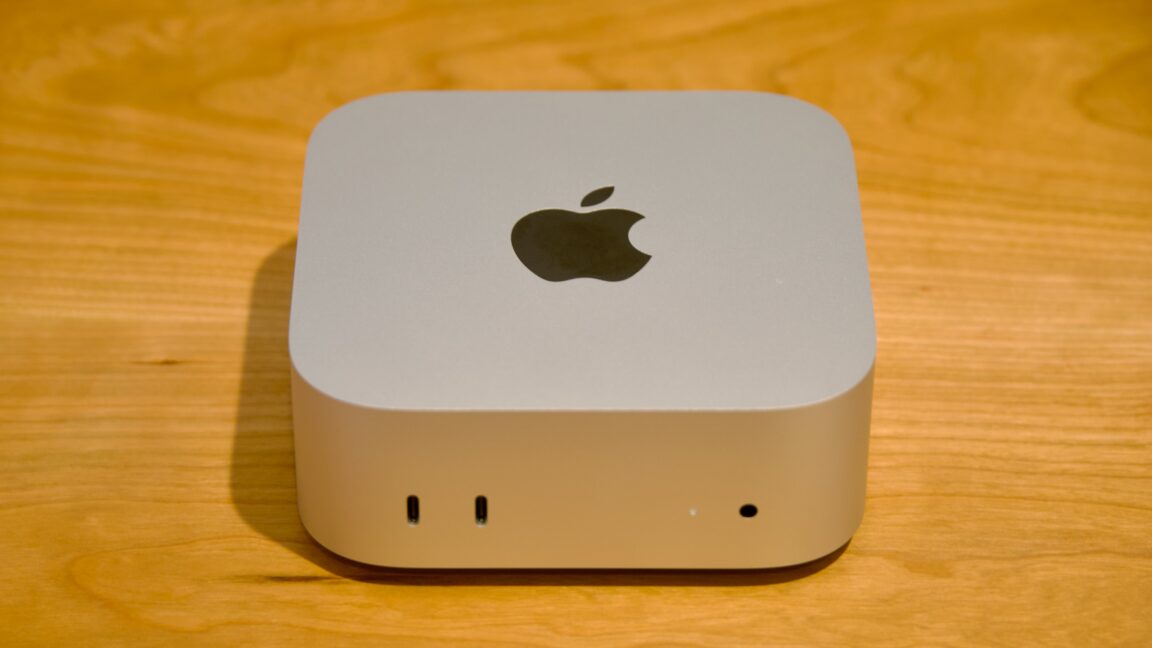
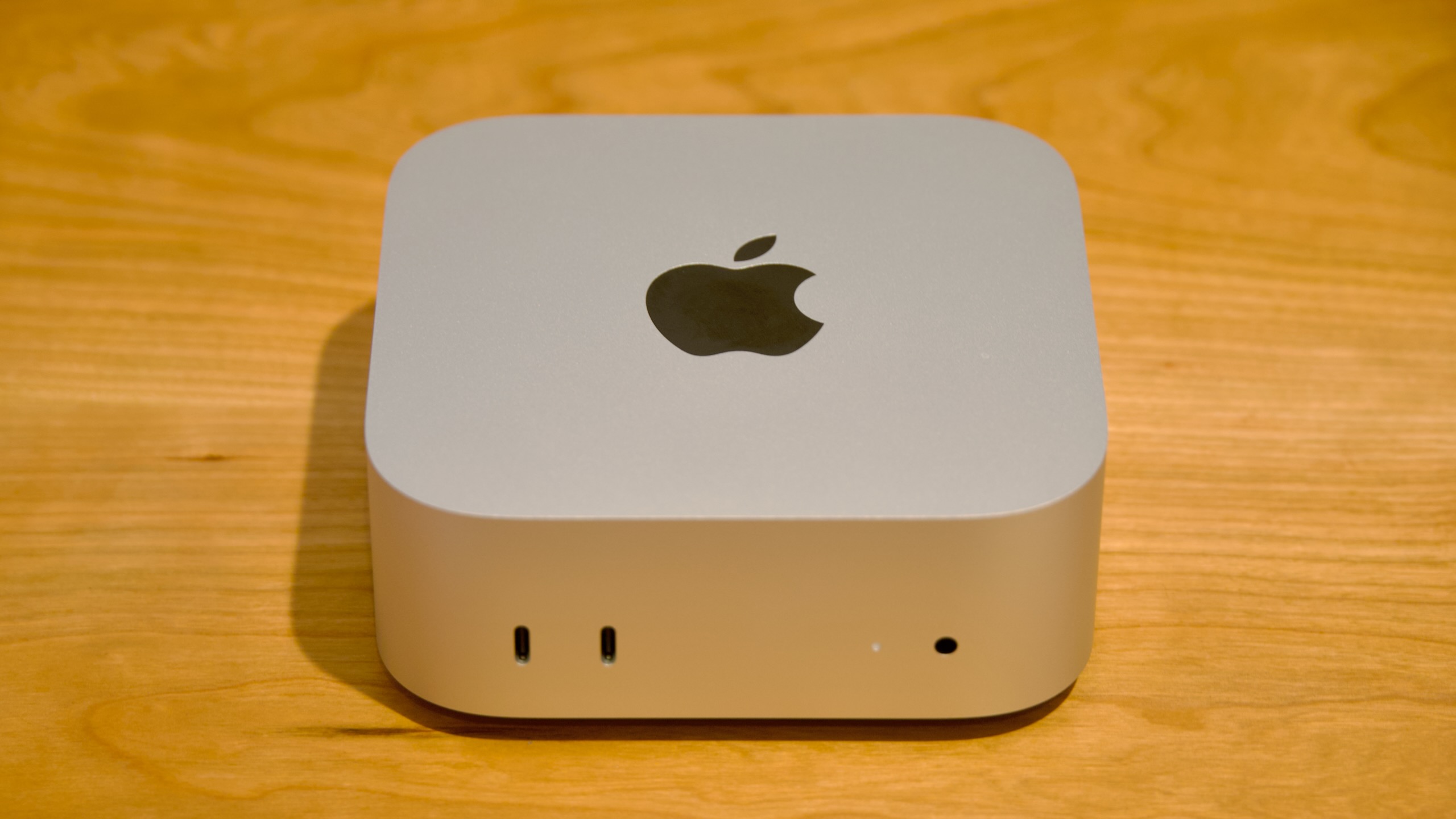
The M6 Mac mini keeps the compact 2024 redesign but swaps in Apple's latest processor. It's the kind of iterative upgrade Apple usually nails.
The price problem
The M6 Mac mini starts at $899 for 16GB RAM and 256GB storage. That's a $300 jump from the $599 M4 model in 2024 with identical specs.
“The M6 Mac mini is only one of those things. I'll let you guess which.”
M4 was the sweet spot
The M4 Mac mini at $599 was one of Apple's best-value desktop computers ever. The M6 loses that distinction despite being faster.
Compact design, better ports
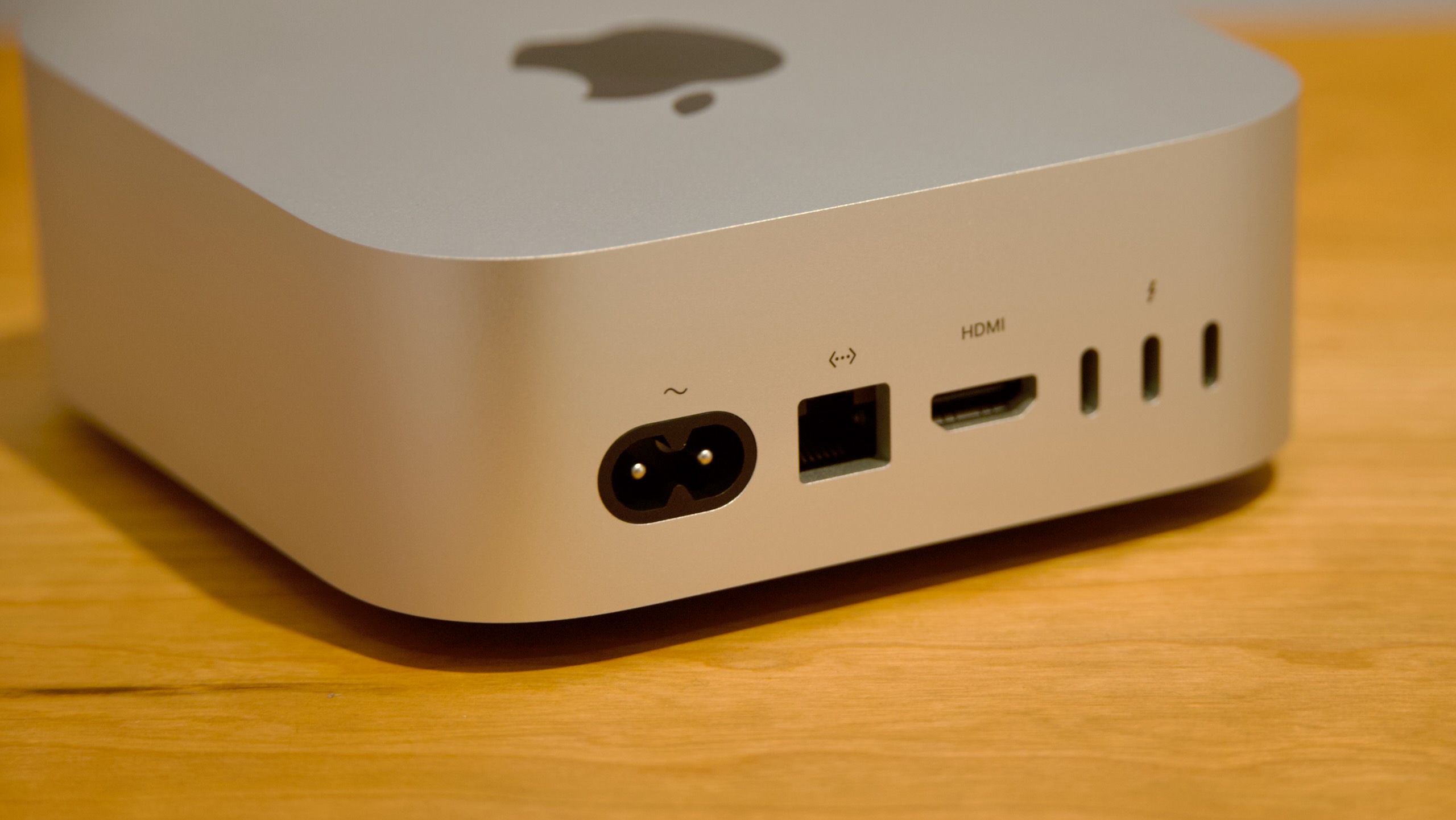
The Mac mini is smaller than older models (5x5 inch footprint) with active cooling, Thunderbolt 4, HDMI, and 10 Gbps USB-C ports. No USB-A though.
Power button placement still awkward
The bottom-rear power button remains inconvenient, especially when using a Touch ID keyboard that requires a double-tap to activate.
M6 chip debuts with super cores
The M6 features two super cores, four regular P-cores, and six efficiency cores for 12 total CPU cores. That's a jump from the M4's 10 cores.
Three core types, treated as two
The M6 mixes super cores with P-cores and E-cores. macOS treats the six-core super and P-core cluster as one unit, simplifying scheduling.
GPU and neural engine boost
GPU cores jump from 10 to 12, and the neural engine doubles from 16 to 32 cores for faster AI and machine learning workloads.
Memory bandwidth varies by config
The 16GB model offers 153 GB/s bandwidth like the M5. The 24GB and 32GB versions jump to 170 GB/s, an 11 percent boost for graphics and AI.
M6 might be the only one
Bloomberg reports Apple may skip M6 Pro, Max, and Ultra variants and jump straight to M7 branding for higher-end chips.
Single-core speed gains
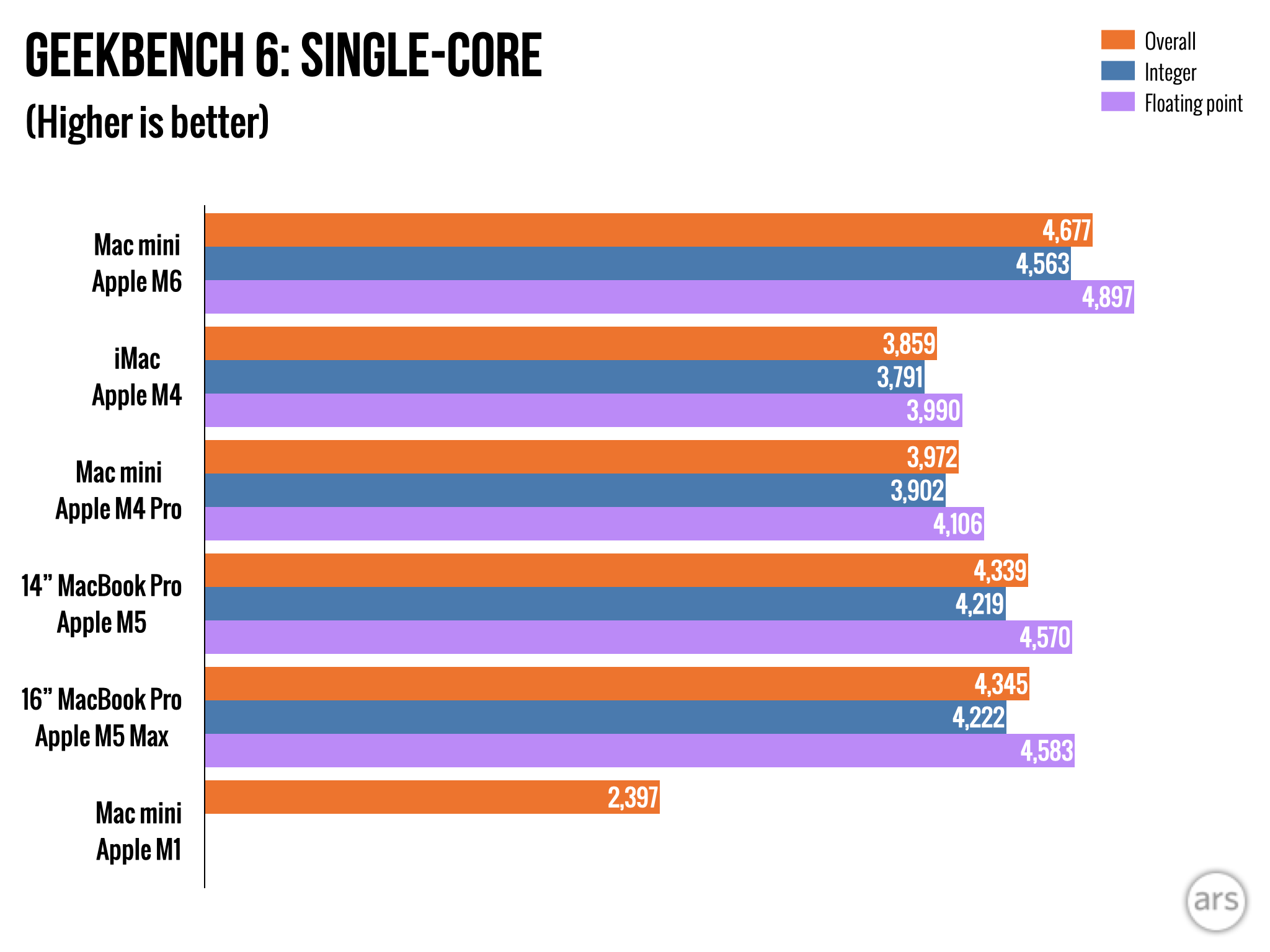
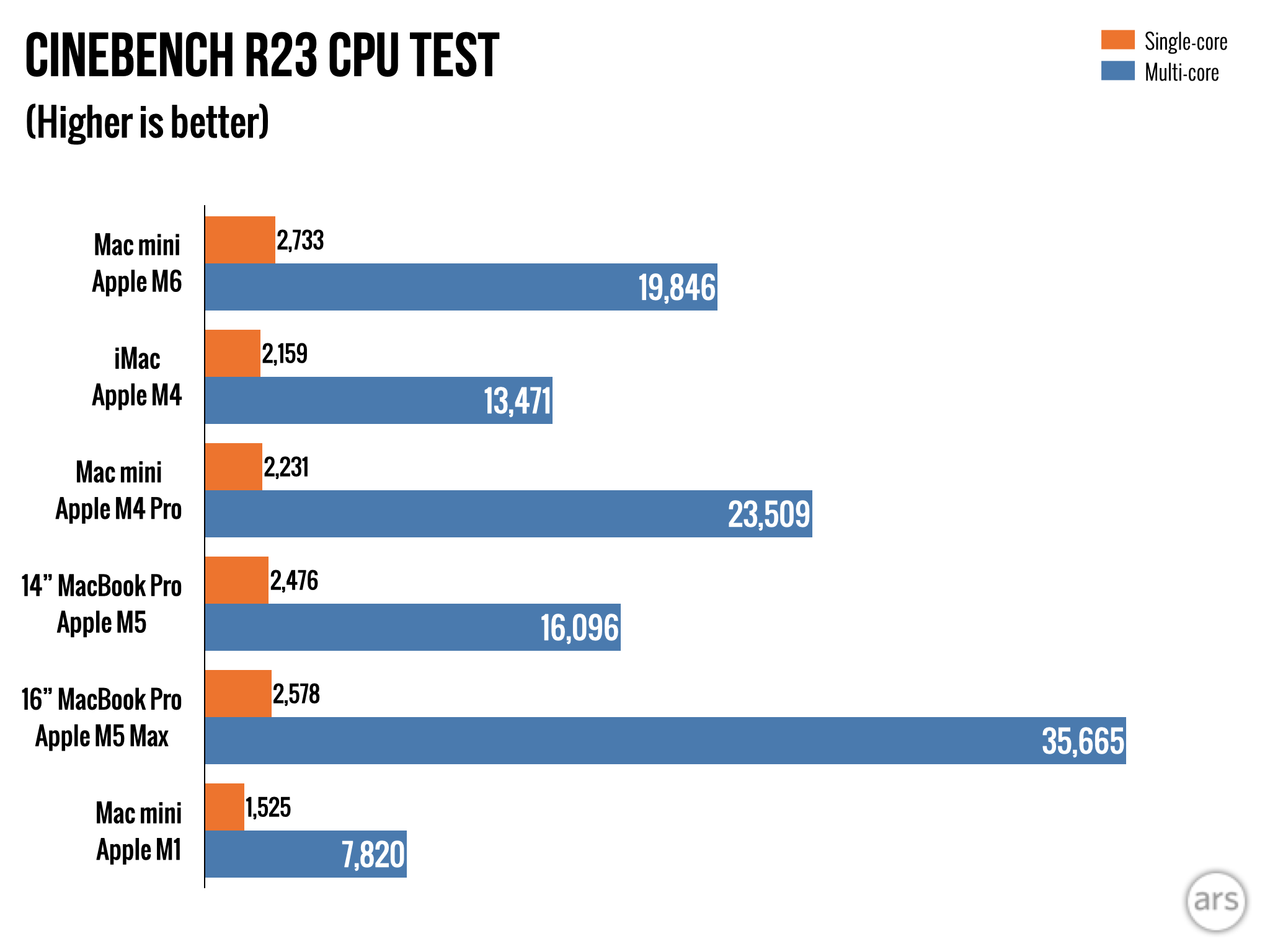
The M6 is 8 to 10 percent faster than the M5 in single-core performance and roughly 10 percent faster in graphics.
Multi-core jumps 20 percent
The M6 delivers roughly 20 percent faster multi-core CPU performance than the M5, but the M5 Max is still 60 to 70 percent faster.
Huge leap from M4 generation
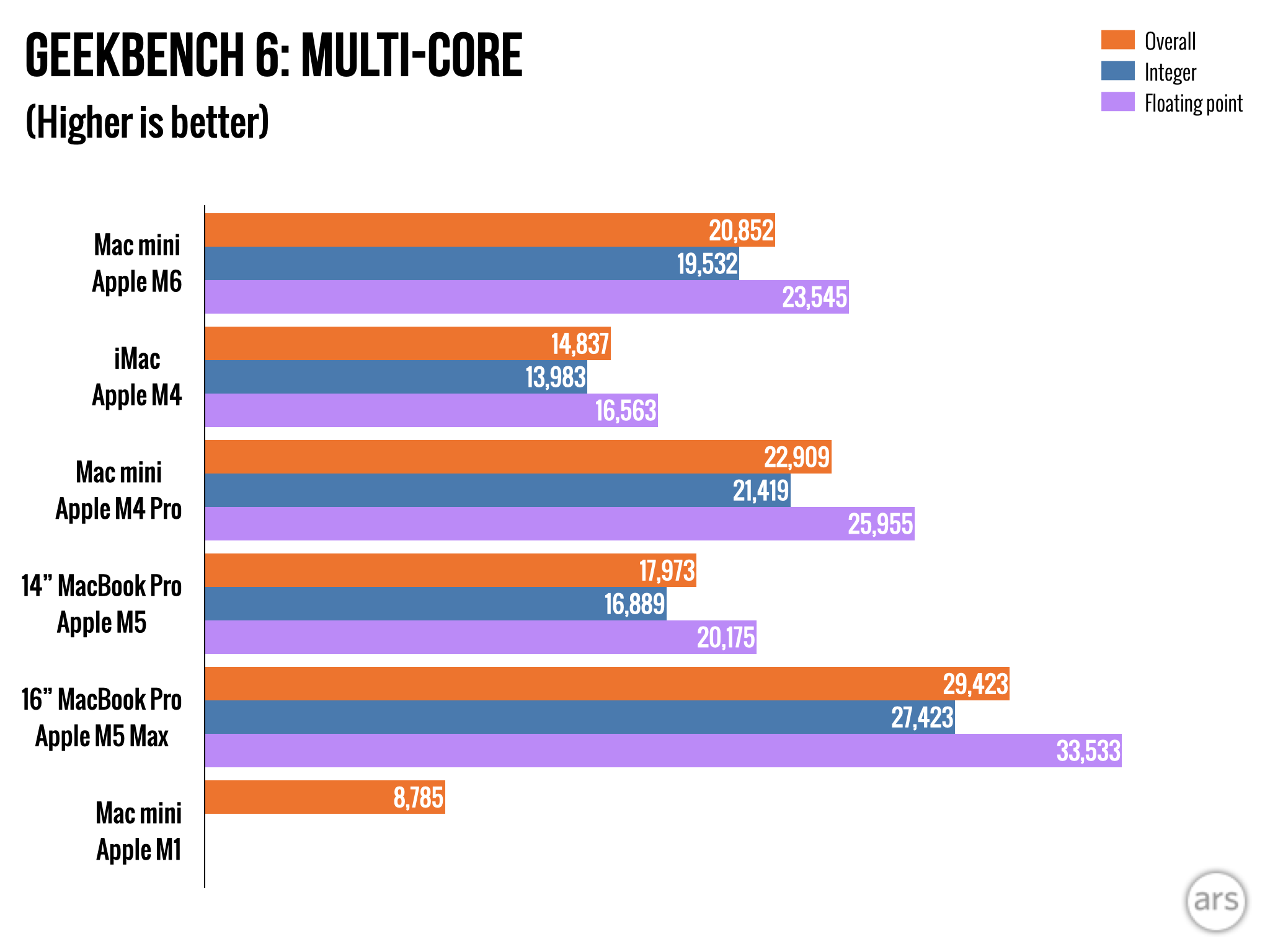
Compared to the M4 mini, the M6 offers 20 to 30 percent single-core gains and 50 to 80 percent improvements in graphics and multi-core performance.
Power consumption data missing
The powermetrics tool reports zero CPU power levels for the M6, suggesting either a bug or intentional change. Apple hasn't confirmed which.
Still the cheapest Apple desktop
Despite the price hike, the M6 Mac mini remains Apple's most affordable computer and handles basic browsing, AI chatbots, and light creative work.
Storage and upgrades limited
The 256GB base storage is tight for games or local AI models. The Mac mini has zero internal upgradability beyond external accessories.
M6 can't daisy-chain
Only the M5 Pro Mac mini supports Thunderbolt 5 for daisy-chaining multiple computers into a compute cluster. The M6 maxes out at Thunderbolt 4.
Memory crisis kills the value
A global memory shortage forced Apple to raise prices. The M6 is genuinely faster, but the $300 jump makes it hard to recommend over the M4.
“The memory crisis means we can't have nice things unless we're willing to pay out the nose for them.”
The short version
The M6 is a genuine performance upgrade, but Apple's $899 starting price, up from $599 for the M4, erases the value proposition that made the Mac mini special.





