From Ars Technica · · 3m
Artist sculpts space shuttle tank back to life
A fine arts sculptor with no aerospace background becomes the key to restoring a historic external tank for display.
In brief
A fine arts sculptor with no aerospace background becomes the key to restoring a historic external tank for display. Natalie Rosen, a fine arts sculptor, restored the foam insulation on external tank ET-94 for the space shuttle Endeavour's new exhibit at the California Science Center, which opened November thirteen…
Sculptor, not engineer
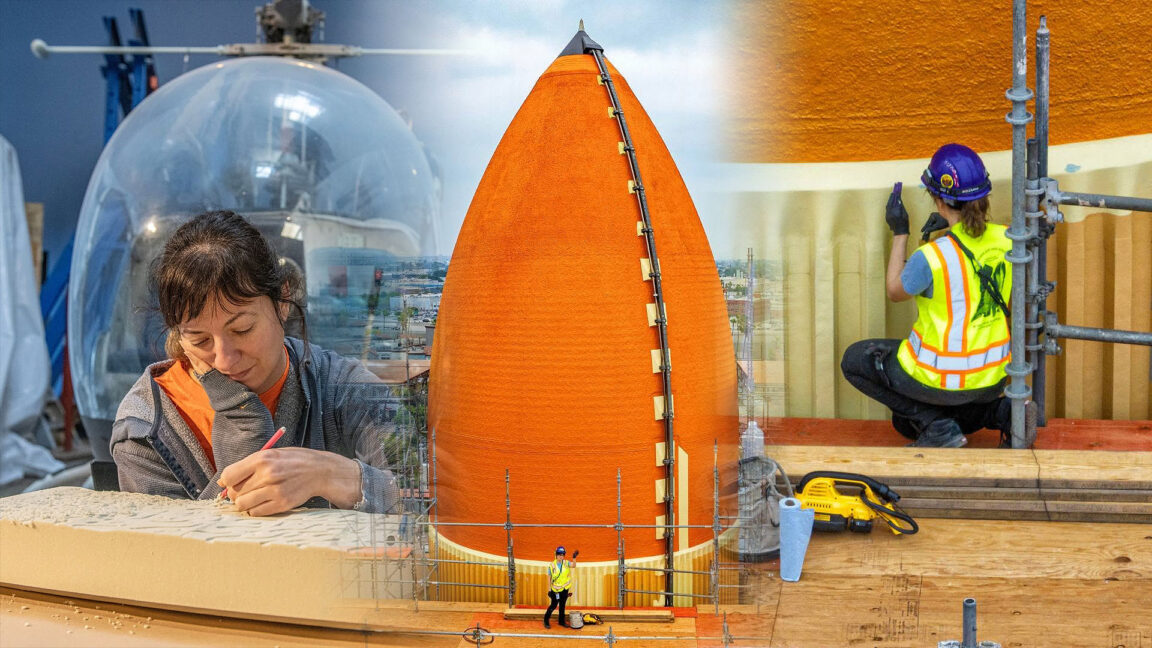
Natalie Rosen is not a former NASA technician or engineer. She has a bachelor's and master's in fine arts from Cal State Long Beach and had no aerospace experience before this project.
“My background is in the fine arts. I have my bachelor's and my master's in fine arts from Cal State Long Beach.”
The tank that survived
The space shuttle's external tank was the only major component discarded after each launch. ET-94, a lightweight tank, was the only flight-worthy tank remaining at program's end.
From test article to museum
After the Columbia tragedy in two thousand three, ET-94 had its foam stripped off and tested to understand what happened.NASA later donated it to the California Science Center, where it sat for nearly a decade.
Foam puzzle
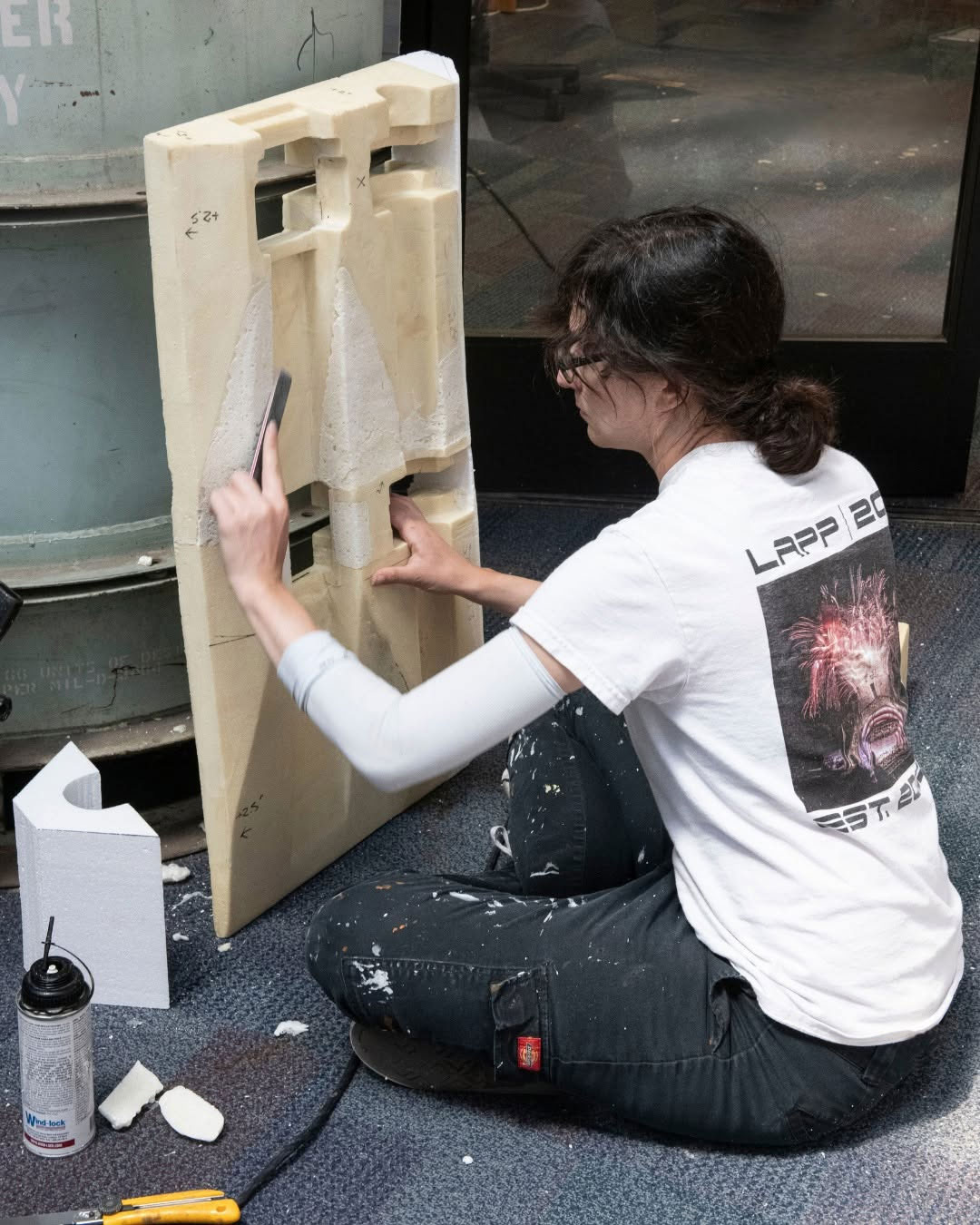
So much foam had been removed during testing that Rosen had to figure out how to put it back on and blend it convincingly with the original foam still remaining on the tank.
“So much of the foam on the ET had been dissected and removed during its time as a test article that they were trying to figure out how to put it back on and blend it in to the original foam in a convincing way.”
The color question
The external tank's foam color has long been debated. It starts ice cream white and turns orange depending on sun exposure and age, creating confusion among shuttle enthusiasts.
“It's orange. It's cream. It's burnt sienna. It just depends on the original foam, when you're seeing it and how it's aging.”
Three shades of foam
Dennis Jenkins blended ET Orange for existing bumpy foam. A mocha color was chosen for the intertank. The newest foam, called ice cream color, was custom mixed for closeout hardware.
Matching the texture
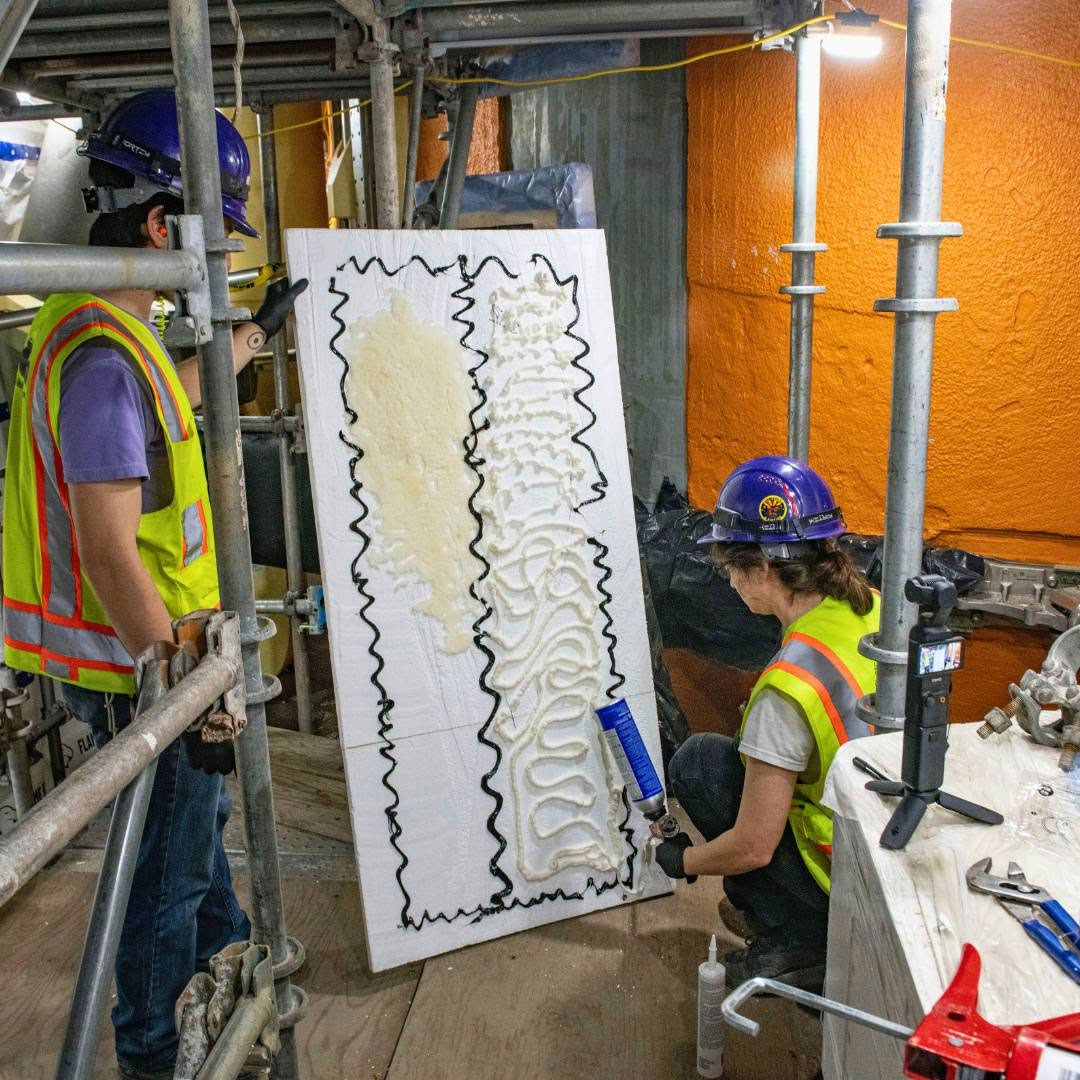
The original aerospace-grade foam could not be used, so Rosen had to replicate its bumpy orange peel texture with commercial foam. Trial and error led to hand-sculpting dense urethane foam.
“There was a lot of trial and error in the beginning of what we could do to try and get it to match what was already there.”
Jenkins's praise
Dennis Jenkins, who led NASA's delivery of orbiters to museums, said Rosen had to invent new processes. He called her work imaginative and noted she was pretty much a one-woman show.
“She had to come up with a lot of new processes because we couldn't apply foam the same way they did at Michoud.”
Going vertical
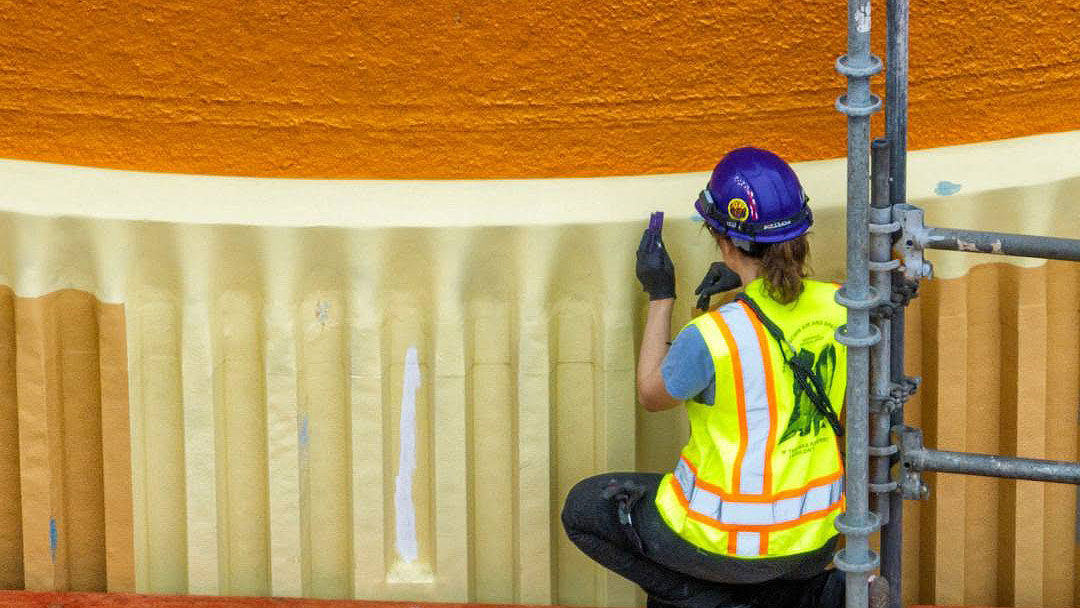
After ET-94 was lifted into the Samuel Oschin Air and Space Center and mated with the boosters and Endeavour, Rosen had to climb scaffolding to reach her worksites on the vertical tank.
Touching every inch
Rosen said it was the largest art project she had ever worked on and she touched every inch of it. Going up and down stairs and ladders was the scariest part of the work.
“It's definitely the largest art project I've ever worked on, and, I mean, I touched every inch of it.”
Final touches
Even after scaffolding was removed, Rosen had to install a final component on the aft dome of the liquid hydrogen tank a couple of weeks ago using a scissor lift.
Opening day
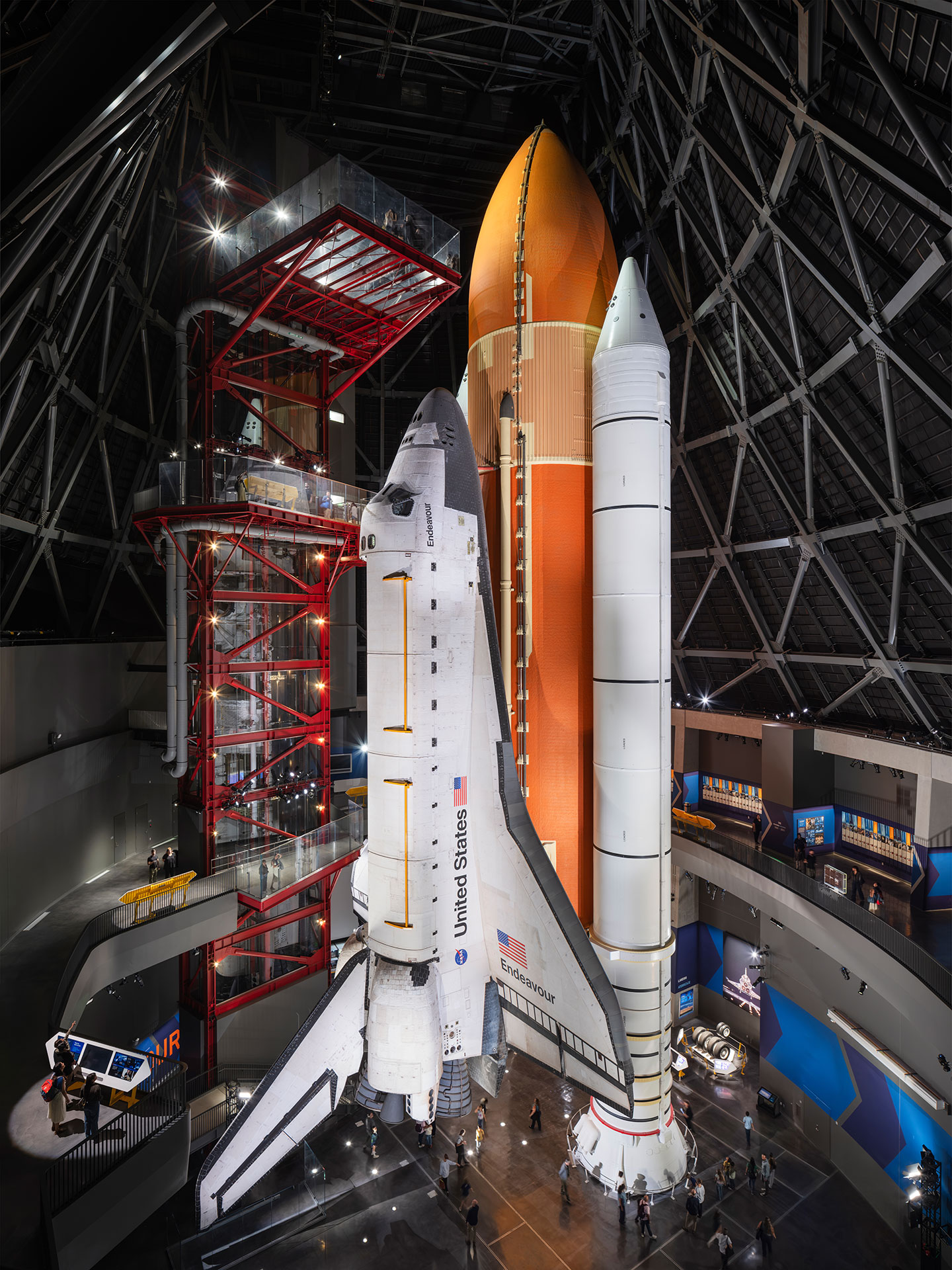
The only fully authentic display of a space shuttle in its launch configuration opened to the public at the California Science Center in Los Angeles on Friday, November thirteen, twenty twenty-six.
Expanding her role
Rosen has been working on different artifacts with the museum team, helping with aircraft assembly, disassembly, reassembly, repairs, and work with satellites and thermal blankets.
“In this last year, I have been working on different artifacts with the team.”
Staying at the museum
The California Science Center has offered Rosen another position. She is planning to stay with the museum and continue her work beyond the Endeavour restoration project.
“So I'm planning on staying with the museum for now. They've offered me another position, and I'm happy to stay.”
What matters most
Natalie Rosen, a fine arts sculptor, restored the foam insulation on external tank ET-94 for the space shuttle Endeavour's new exhibit at the California Science Center, which opened November thirteen, twenty twenty-six.
Read the TL;DR — this story on one card.