From Ars Technica · · 2m
Bantu Expansion Changed Africa
Scientists trace how ancient Bantu migration reshaped Africa's languages, genes, and cultures.
In brief
Scientists trace how ancient Bantu migration reshaped Africa's languages, genes, and cultures. The Bantu migration 6,000 to 4,000 years ago transformed southern Africa's languages, farming, and genetics, with 350 million people speaking Bantu languages today. Originally reported by Ars Technica.
Great Zimbabwe Iron Production
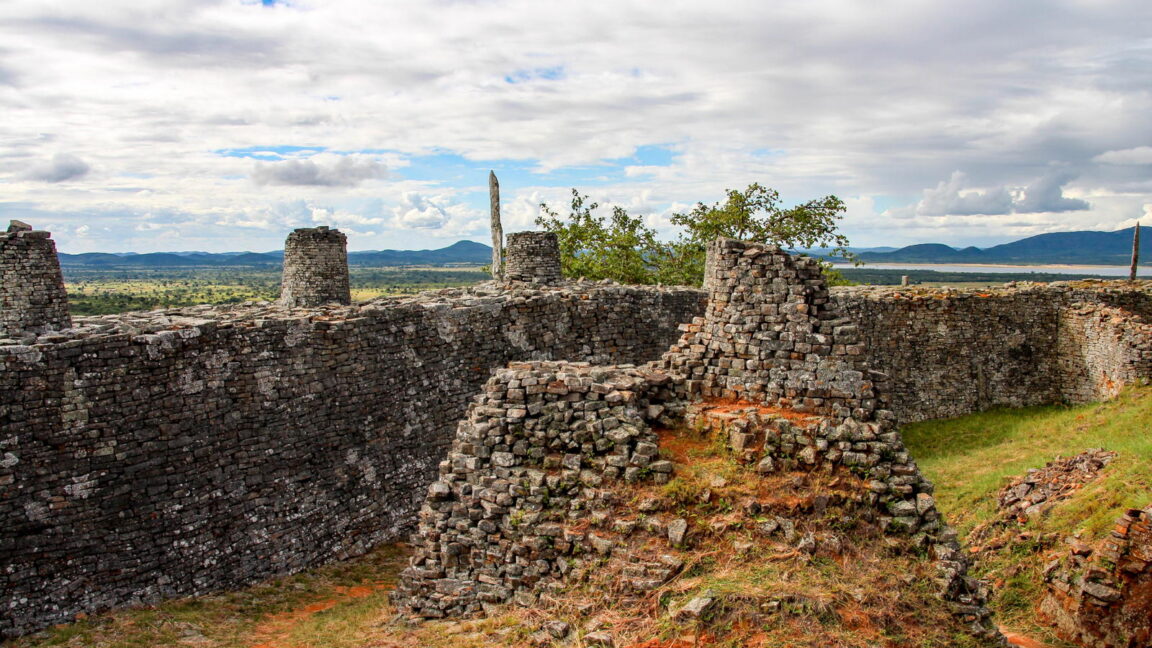
Archaeologists found iron-smelting furnaces at Great Zimbabwe, 25 miles northwest of the city, with walls thick enough to contain 2,100° Fahrenheit heat.
Bantu Migration Timeline
Bantu-speaking peoples began migrating from western Africa 6,000 to 4,000 years ago, spreading farming, metalworking, and languages across southern Africa.
Bantu Language Impact
Today, 350 million Africans speak one of 500 distinct Bantu languages, from Swahili to Xhosa, with Bantu ancestry in many African Americans and Afro-Latinos.
Genetic Evidence
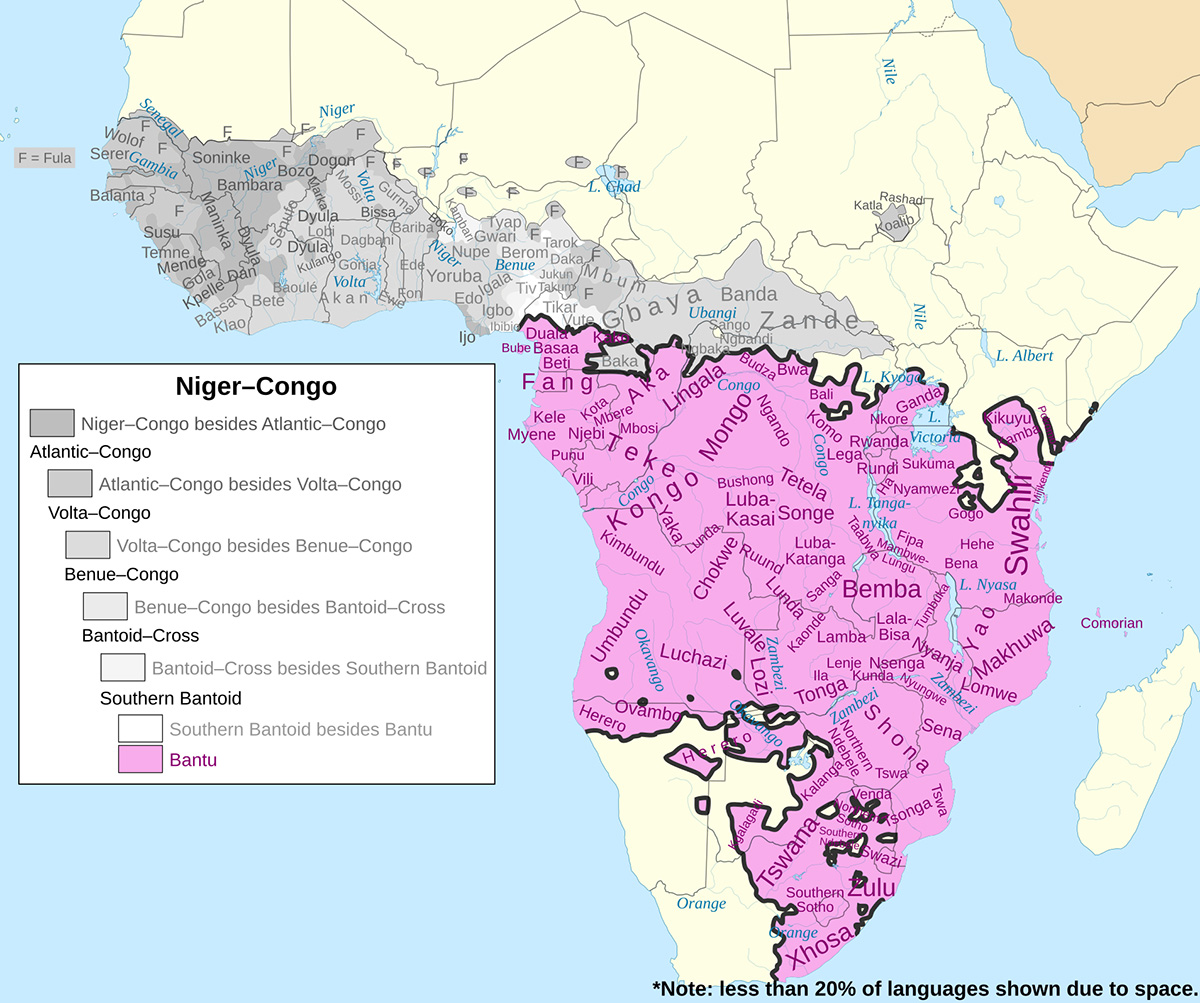
Genetic studies show Bantu-speaking people from western, central, and southern Africa are more closely related than expected by their geographic distance.
Pottery and Early Evidence
Archaeologists found pottery shards in the Congo rainforest dating to 2,300 to 2,000 years ago, consistent with Bantu pottery styles from western Africa.
Language Diversification
Linguists observed greater language diversity in the Congo rainforest, suggesting Bantu-speaking ancestors spent time there before splitting into eastern and southern groups.
Genetic Mixing Patterns
Some Bantu groups share about an eighth of their DNA with rainforest hunter-gatherers, and some share similar amounts with Khoisan groups.
Khoisan-Bantu Language Mix
Children of Khoisan-Bantu pairings lost their mothers' languages but left clicks in southern African Bantu languages like Zulu and Xhosa.
Trade Networks
By 1100 to 1600 AD, Bantu societies developed Indian Ocean trade networks, importing Chinese porcelain and exporting gold, ivory, and iron.
Iron Smelting Rituals
Great Zimbabwe iron smelters added bone fragments to furnaces, possibly for a smelting-blessing ritual that contained calcium to accelerate iron separation.
Genetic Research Gaps
Linguists lack complete data to trace Bantu language trees, and computational studies assume languages evolved in isolation after groups split.
Funding Challenges
Archaeologists need more African government funding for labs and excavations to fill gaps in sub-Saharan Africa's archaeological record.
Future Research
Scientists aim to use ancient DNA and re-examined artifacts to map Bantu movements and interactions with earlier African groups.
Bantu Cultural Legacy
The Bantu migration created unique cultural diversity across sub-Saharan Africa, blending food, philosophy, language, music, and traditions.
The big picture
The Bantu migration 6,000 to 4,000 years ago transformed southern Africa's languages, farming, and genetics, with 350 million people speaking Bantu languages today.