From Ars Technica · · 3m
Body tissue becomes wireless network for implants
Georgia Tech researchers built a system that sends signals through body tissue instead of radio waves, letting implants talk to each other.
In brief
Georgia Tech researchers built a system that sends signals through body tissue instead of radio waves, letting implants talk to each other. Georgia Tech engineers developed SWANS, a networking system that uses ionic conduction through body tissue to let implants communicate with each other, solving power and range…
Implants work alone today
Most implants like pacemakers and insulin pumps operate in isolation. Georgia Tech researchers built a networking system to help them coordinate with each other through body tissue.
Radio drains batteries fast
Current implants use Bluetooth or near-field communication. Alex Abramson, a Georgia Tech engineer, says activating Bluetooth can cut an implant's battery life by up to ninety percent.
Radio waves don't travel through tissue
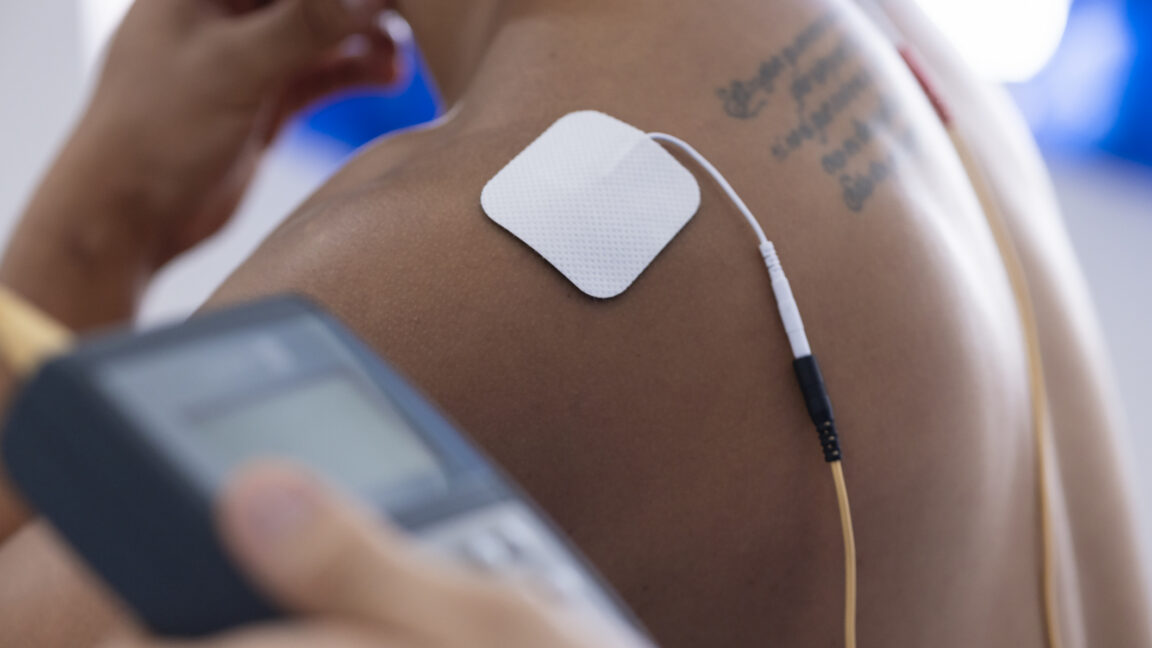
Bluetooth and near-field communication signals weaken in body tissue. Radio systems fail if the signal travels more than one centimetre through tissue, and antennas make devices too large for injection.
SWANS mimics the nervous system
The team created SWANS, Smart Wireless Autonomous Networking System, inspired by how the nervous system works. It uses ionic conduction like neurons, sending signals through normal body tissue instead of radio waves.
“The nervous system can take a lot of inputs from all over the body, harvest all that data, and make a specific decision. And our system mimics that.”
Three components make the system
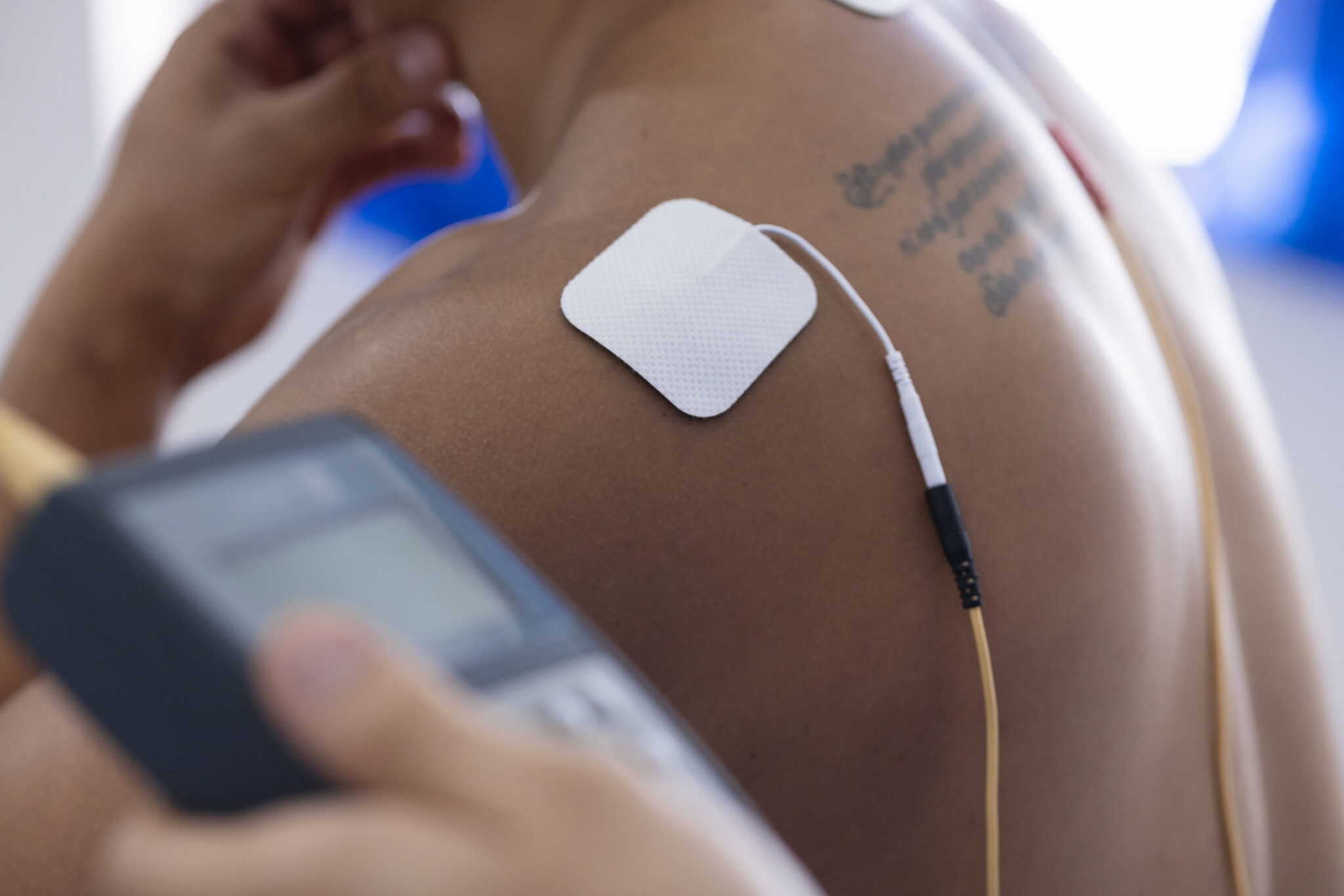
SWANS has a wearable hub that reads sensor data and emits voltage pulses up to twelve volts. Microneedles deliver pulses into the body. Injectable implants with receiving pads, transistors, batteries, and sensors or actuators complete the network.
Each implant responds to its own signal
The hub fires pulses that spread through tissue in all directions. Each implant's transistor switch activates only when the pulse crosses a specific threshold, like people in a crowded room turning around only when they hear their own name.
SWANS implants are tiny and efficient
Built from passive components, SWANS implants draw almost no power while listening, extending battery life more than fifteen times compared to Bluetooth and NFC. A complete implant measures three by one point one by seventeen millimetres and fits through a six-gauge needle.
Signals travel far through tissue
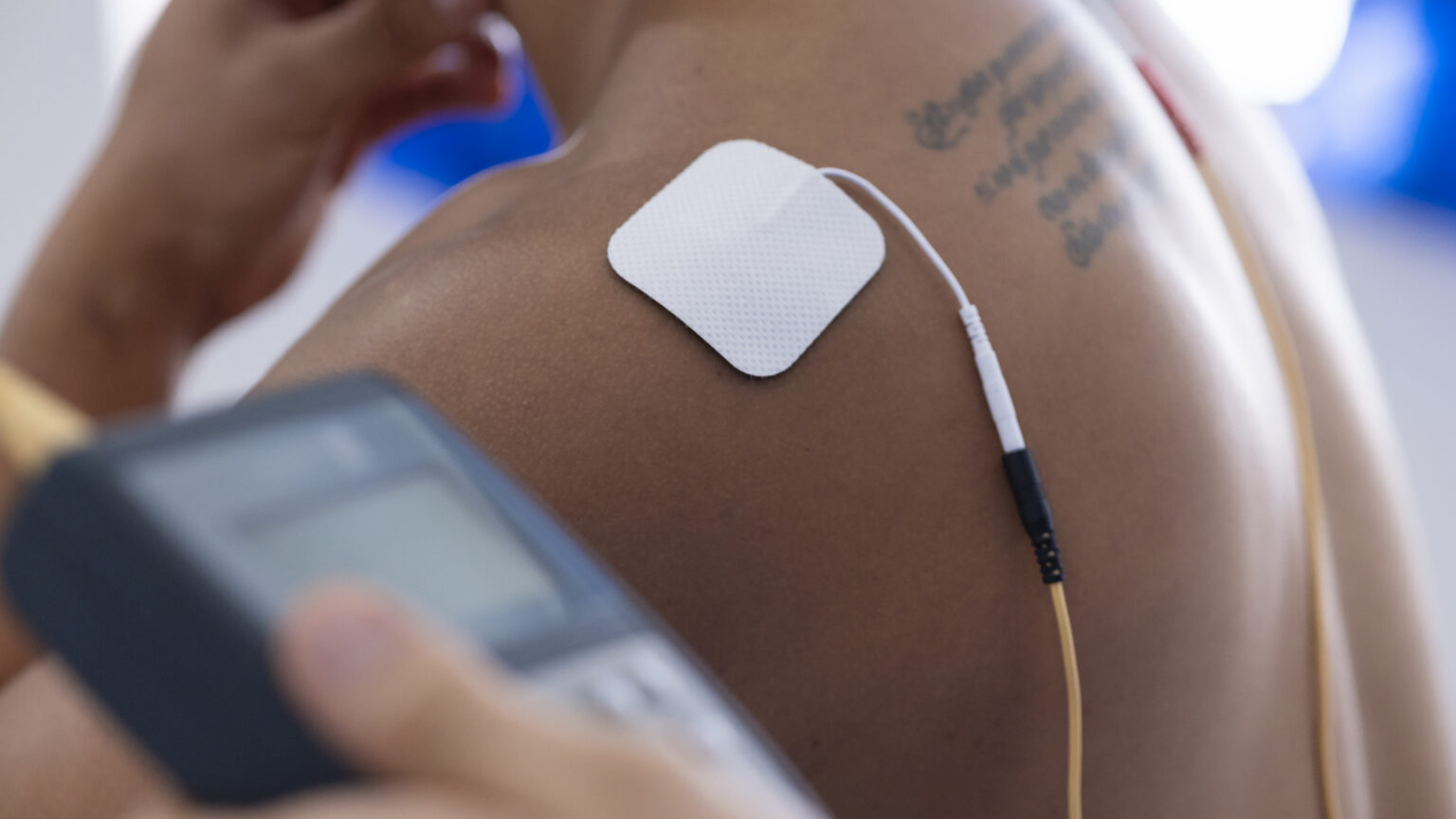
Testing in pork belly, a thick and heterogeneous tissue, showed a single ten-volt pulse produced a detectable voltage gradient more than thirty centimetres across the tissue and up to fourteen centimetres deep, more than ten times the coverage of Bluetooth or NFC.
Rats' legs twitched on command
In live rats, strain sensors on front legs detected movement and sent limb-specific pulses to implants on hind legs, stimulating the sciatic nerve and making those legs twitch. Another implant relayed signals based on temperature readings above forty degrees Celsius.
Safety testing shows no major issues
A two-month rat study found scar tissue up to a millimetre thick grew around implants, but raising voltage within safe limits kept communication working. Pulses did not stimulate unintended nerves, change heart activity, or cause excess cell death.
SWANS has limits but big potential

SWANS cannot send large amounts of data and has not been tested in large animals or humans yet. Abramson sees potential to connect drug delivery pumps with neurostimulators for combined therapies, and to integrate the system with existing implants.
“This new communication protocol can be plugged into any of those previous systems.”
What matters most
Georgia Tech engineers developed SWANS, a networking system that uses ionic conduction through body tissue to let implants communicate with each other, solving power and range problems with radio-based systems.





