From Ars Technica · · 3m
Boeing's Starliner gets a second chance from NASA
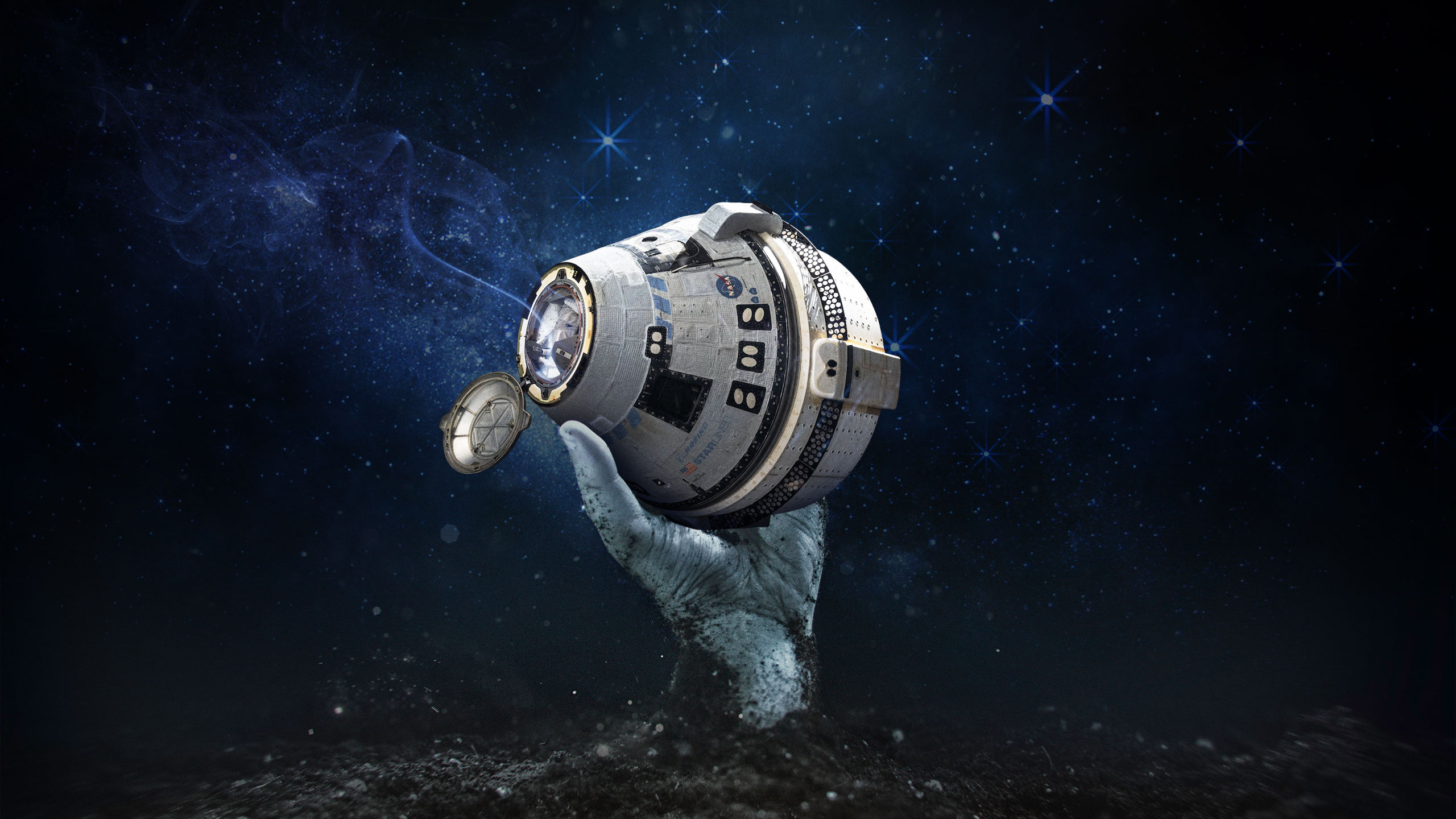
After SpaceX signals it will retire Crew Dragon by 2030, NASA orders more Starliner missions and funds fixes to keep Boeing's troubled spacecraft flying.
In brief
After SpaceX signals it will retire Crew Dragon by 2030, NASA orders more Starliner missions and funds fixes to keep Boeing's troubled spacecraft flying. NASA is betting on Boeing's Starliner as a backup to SpaceX's Crew Dragon, even though Starliner has a troubled history, because the space agency needs crew…
SpaceX plans to retire Crew Dragon
SpaceX President Gwynne Shotwell confirmed the company intends to wind down the Crew Dragon program by 2030 to focus on Starship and Starlink satellites.
“We're not retiring it today, for sure.”
NASA needs a backup crew vehicle
Crew Dragon is currently NASA's only operational spacecraft for routine astronaut missions to low-Earth orbit, so the agency must secure an alternative before 2030.
NASA orders two more Starliner missions
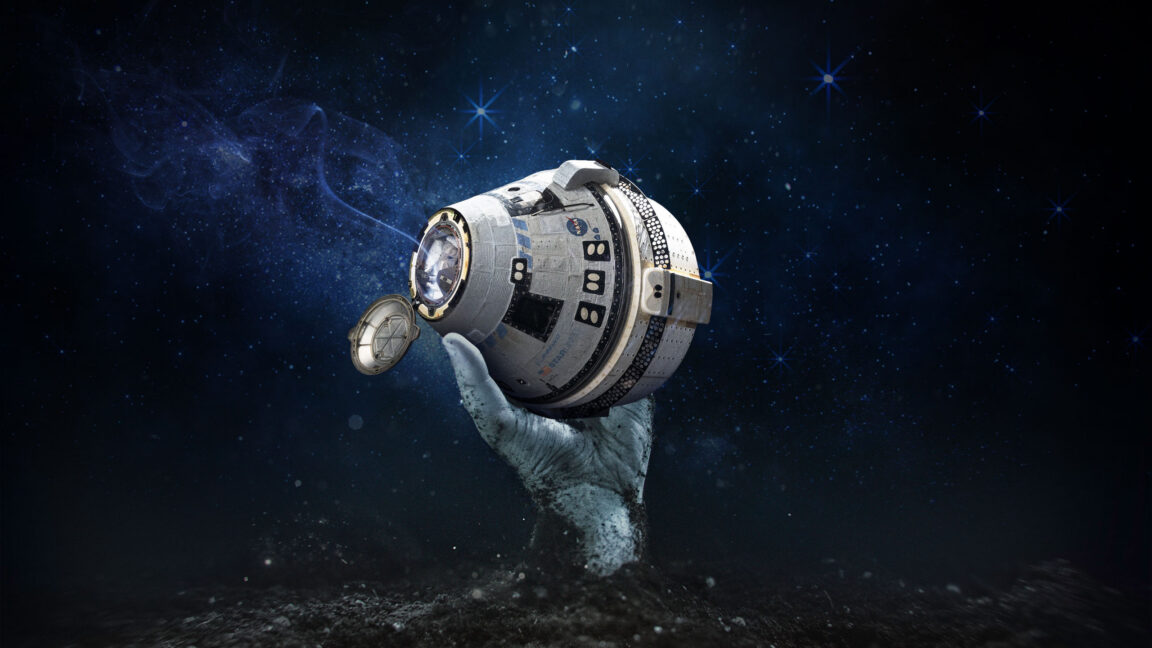
NASA will announce it is ordering two additional crewed Starliner missions from Boeing and will help pay to fix the spacecraft's thruster problems.
Starliner has a troubled history
Boeing's Starliner experienced thruster failures during its first crewed test flight in June 2024, nearly causing the loss of two astronauts who had to return on Crew Dragon instead.
NASA shared blame for the mishap
NASA Administrator Jared Isaacman said the space agency's own decision-making failures contributed to the near-disaster, not just Boeing's hardware defects.
“It is decision-making and leadership that, if left unchecked, could create a culture incompatible with human spaceflight.”
Boeing has spent billions on Starliner
NASA paid Boeing 5.1 billion dollars for Starliner development, compared to 3.1 billion for SpaceX's Crew Dragon, yet Boeing has taken over 2 billion in charges due to ongoing problems.
Atlas V rocket is running out of fuel
The Atlas V rocket that launches Starliner uses Russian engines and is nearing retirement, with only six remaining vehicles available for Starliner missions.
NASA will fund a new launch vehicle
NASA will help pay to certify Starliner on a new rocket, likely either United Launch Alliance's Vulcan or Blue Origin's New Glenn.
SpaceX fulfilled its obligations
Although NASA funded Crew Dragon's development, SpaceX has contractually completed its obligations and can retire the vehicle whenever it chooses.
Private space stations need crew transport
Companies building private space stations for the post-ISS era were unable to secure crew transportation commitments from either SpaceX or Boeing, creating a crisis.
Blue Origin has a backup option
Blue Origin has been developing a crewed Space Vehicle for its New Glenn rocket, with advanced design work and testing already underway.
New Glenn could certify faster
If Boeing flies Starliner on New Glenn, it would give Blue Origin free certification of its rocket for human missions, a costly and time-consuming process normally.
New Glenn offers cost advantages
New Glenn's greater power could launch both a crewed spacecraft and cargo vehicle simultaneously, potentially saving launch costs for private space station operators.
What matters most
NASA is betting on Boeing's Starliner as a backup to SpaceX's Crew Dragon, even though Starliner has a troubled history, because the space agency needs crew transportation options beyond 2030.