From Ars Technica · · 4m
Bosses should talk less in meetings, science says
Research into meeting science reveals how leaders can make workplace gatherings more effective and inclusive.
In brief
Research into meeting science reveals how leaders can make workplace gatherings more effective and inclusive. Meeting science research shows that leaders who listen more than they talk, involve all participants, and follow specific practices before and after meetings can make workplace gatherings more effective…
Meetings dominate working life
Close to one billion meetings take place each day around the world. CEOs spend nearly three-quarters of their workdays in meetings. Managers spend most of their time planning and running them.
Meeting science is now a field
For decades, researchers knew little about what meetings accomplish or how to improve them. Meeting science is now a growing specialization among organizational and social psychologists, accelerated by archived virtual meeting data.
What defines a meeting
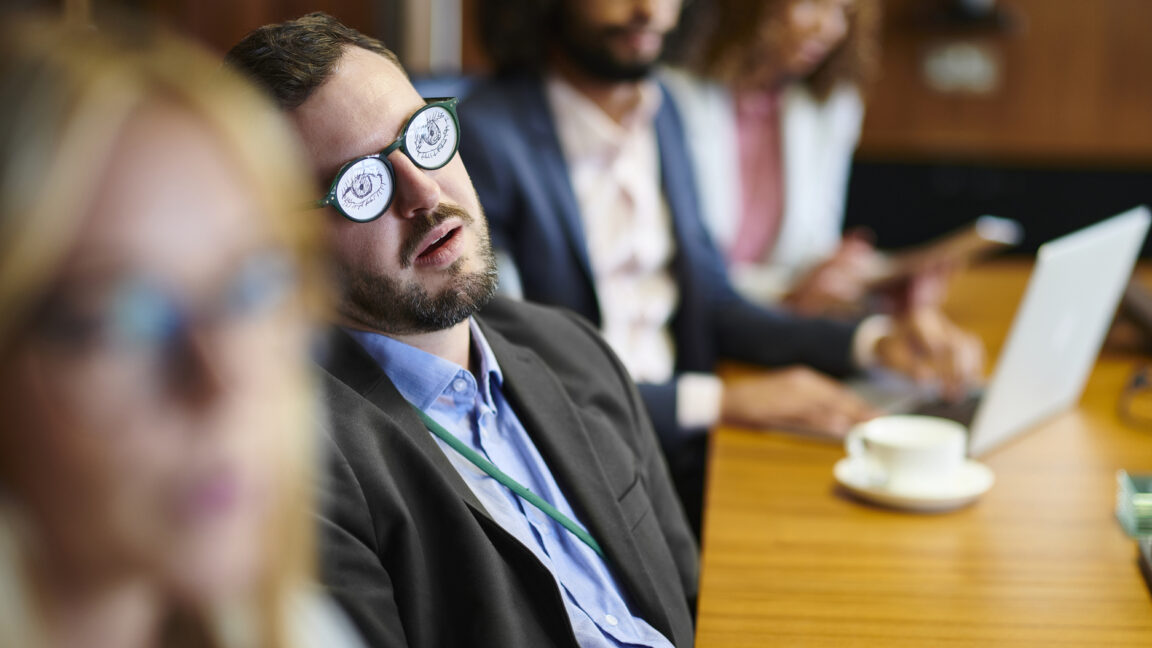
Meeting scientists define their subject as gatherings of people with some goal or structure to the event, says organizational psychologist Liana Kreamer of the Florida Institute of Technology, who coauthored a review of over three…
How researchers study meetings
Researchers use two main approaches. The first is surveys asking people about their meeting experiences. The second analyzes specific behaviors and trends extracted from audio and video recordings of actual meetings.
Listening matters more than talking
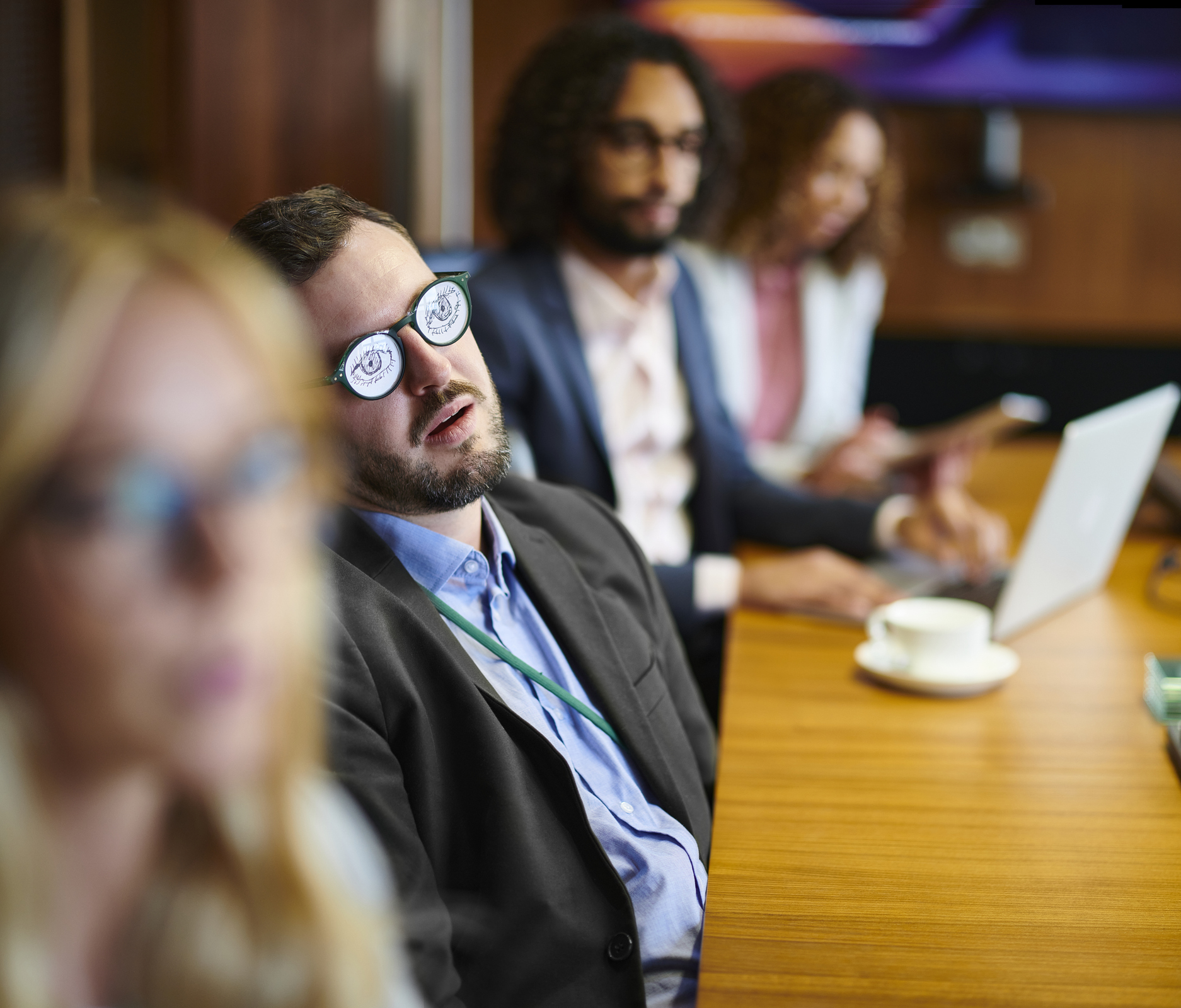
In one experiment, researchers found that respectful, attentive inquiry by meeting leaders enhanced team performance, in contrast to when leaders asked questions but did not attentively listen to responses.
Leaders often talk too much
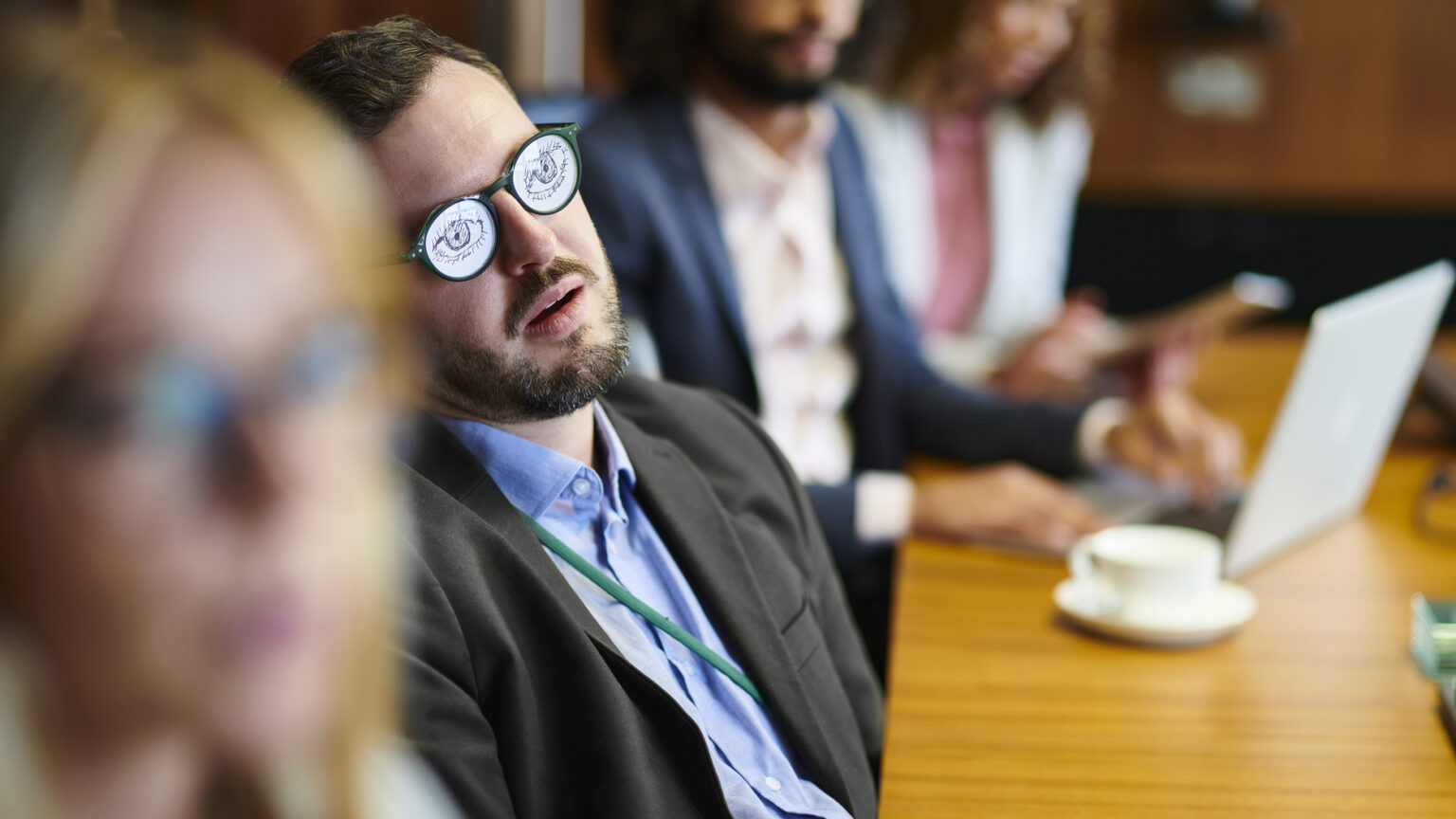
Meeting leaders and participants may have very different views of whether a meeting was successful. Often, leaders talk the most, which is why they often think their meetings are pretty good, says Nale Lehmann-Willenbrock.
“Often, leaders talk the most, which is also why they often think their meetings are pretty good.”
Leaders should monitor their speaking time
Liana Kreamer emphasizes that meeting leaders should lead but not dominate discussion. Leaders should monitor the proportion of time they are speaking to allow for inclusion of many voices.
Preparation sets the stage
Before a meeting, leaders should choose appropriate rooms and lighting, invite only those who need to be there, plan to start and end on time, prepare an agenda, set clear goals, and allow time for…
Warm-up time helps introverts

Pre-meeting small talk predicts meeting effectiveness, particularly for more introverted participants. In virtual meetings, leaders should consider establishing a norm of arriving early or using the first few minutes for an informal check-in.
Silent brainstorming engages everyone
Liana Kreamer recommends silent brainstorming to get all participants, even shy ones, to engage in idea generation.
Neurodiverse workers need support
Doctoral student Zofia Walters studied meeting inclusiveness for neurodiverse participants. Her research suggests that minimizing distractions, documenting instructions, using shared calendars, and building regular check-ins may be especially helpful for people with ADHD.
ADHD workers report more fatigue
In a survey of one hundred forty-seven employees, Walters found that individuals with ADHD were more likely to report feeling more meeting fatigue, especially when the camera was on for extended periods, than non-ADHD peers.
Follow up after the meeting
After a meeting, leaders can ensure it was time well spent by communicating action items to participants, taking concrete steps to implement ideas and tasks generated, and assessing employee engagement, satisfaction, and effectiveness.
Meetings can feel purposeless
Cognitive scientist Ava Scott of the University of Copenhagen found that recurring meetings tend to be the most aimless.
Meetings may boost wages and learning
A two thousand twenty-six study of more than nine thousand workers in Norway found that meeting intensity is positively associated with subsequent wage growth and on-the-job learning.
Meetings are the broccoli of work
The study, led by economist David Deming at Harvard University, concludes that although meetings are costly, their benefits may make them worth enduring.
“Meetings are the broccoli of work, widely disliked, but probably good for us anyway.”
Timing and humor matter too
Scheduling should consider the human circadian rhythm and avoid the after-lunch energy dip. Humor can help make meetings successful when it is authentic, supportive, or positive rather than demeaning, and works best when participants know…
Cultural differences shape meeting norms
In a survey of one thousand four hundred thirty-two workers from six countries, respondents from the United States and the Netherlands were especially perturbed by late leaders.
The bottom line
Meeting science research shows that leaders who listen more than they talk, involve all participants, and follow specific practices before and after meetings can make workplace gatherings more effective.