From Ars Technica · · 1m 50s
Brain worm infection confirmed in Philippine rice farmer
A woman's seizure led doctors to discover parasitic worm eggs lodged in her brain, confirmed through a 1950s lab test that revealed antibody tails.
In brief
A woman's seizure led doctors to discover parasitic worm eggs lodged in her brain, confirmed through a 1950s lab test that revealed antibody tails. Schistosomiasis parasites can rarely reach the brain and cause seizures, but can be diagnosed with older lab tests and treated with anti-parasitic drugs. Originally…
Seizure strikes without warning
A rice farmer in the Philippines experienced sudden, uncontrollable shaking in her right arm and leg for about a minute, with no prior symptoms like headache or weakness.
Brain scan reveals worm eggs
An MRI showed a bright cluster of nodules surrounded by fluid in her left frontal lobe. Doctors immediately suspected parasitic worm eggs.
The diabolical life cycle
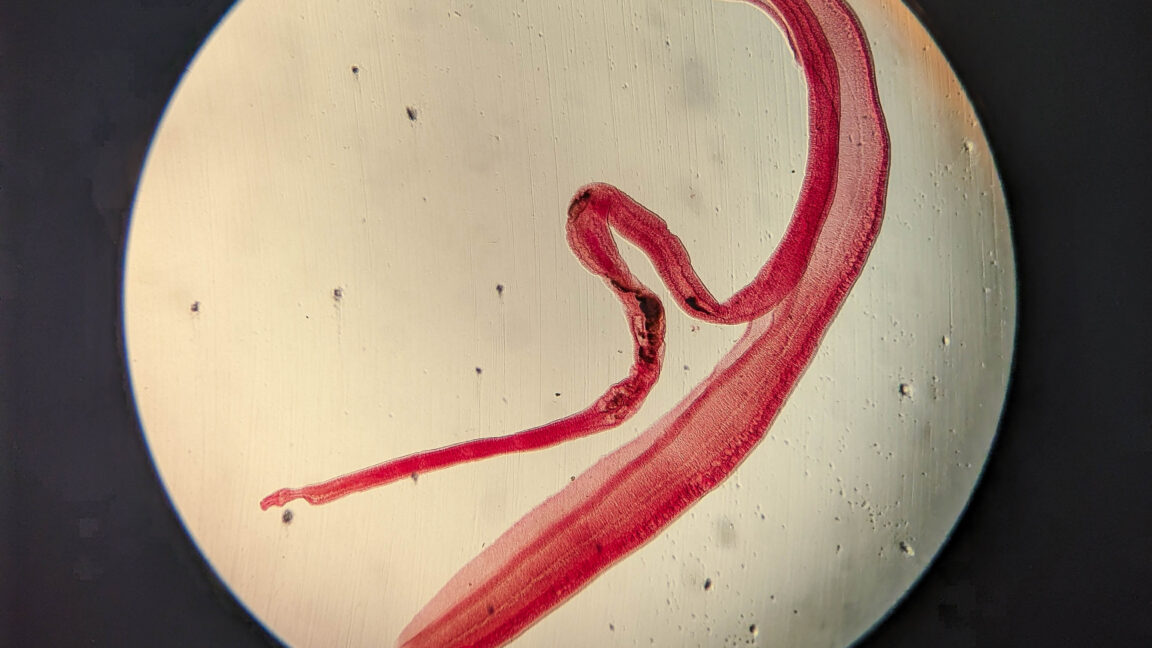
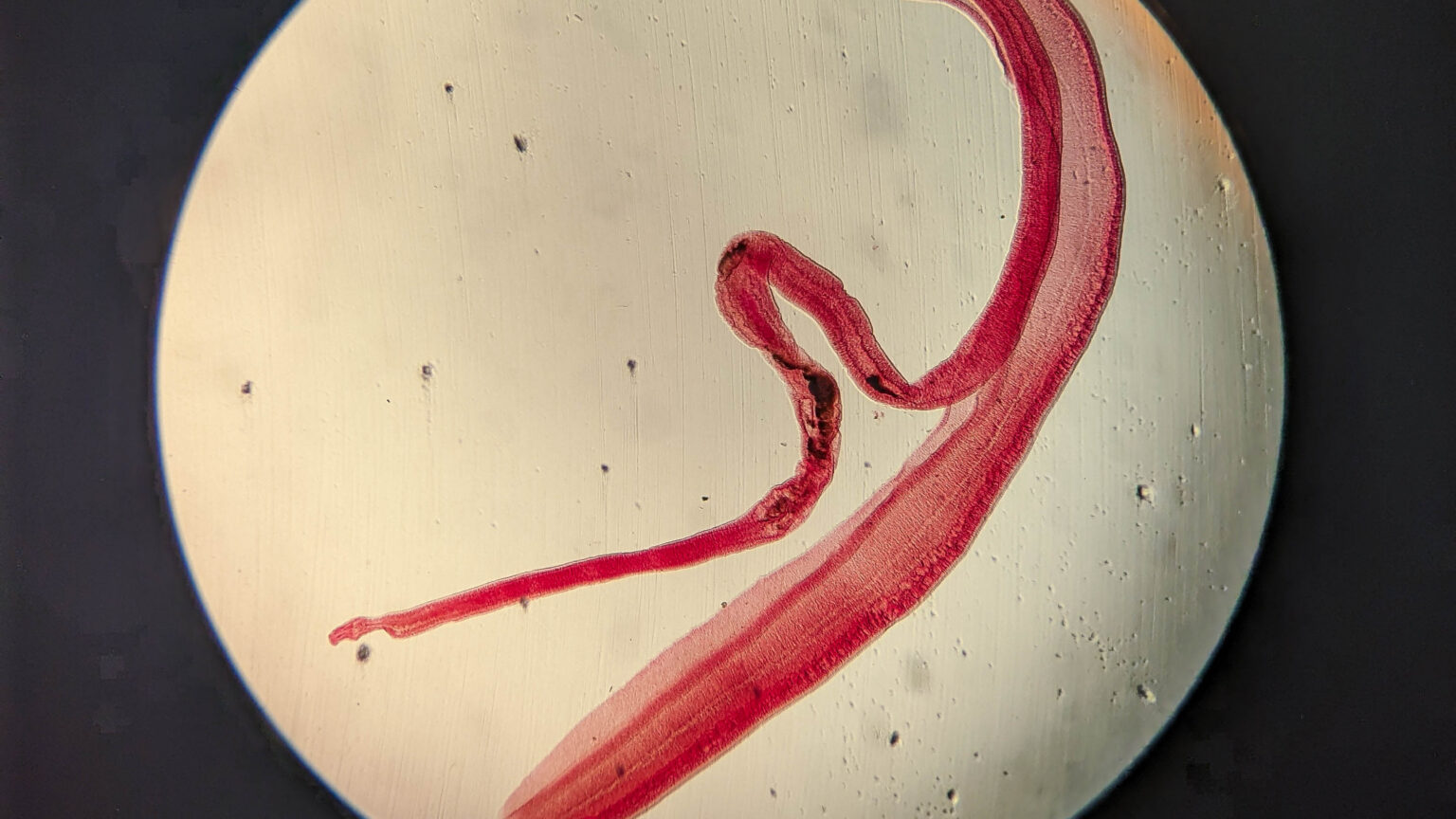
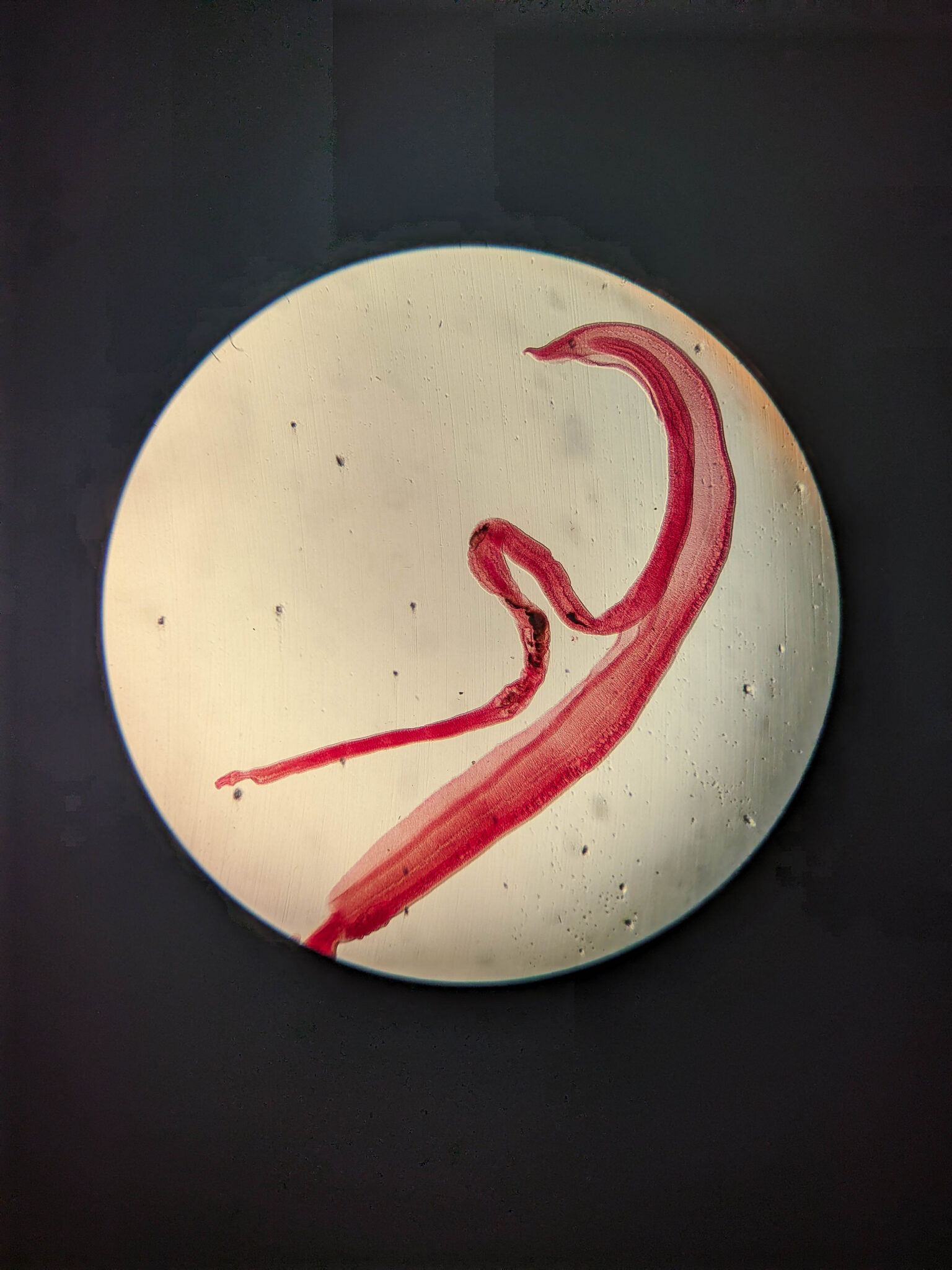
Schistosoma japonicum worms start as eggs in urine or feces, hatch into larvae that infect aquatic snails, then grow tails and burrow through human skin to reach the bloodstream.
Adult worms hide in blood vessels
Male and female worms pair up and settle in abdominal blood vessels, producing eggs that exit through feces and urine. Most infections go undetected because adult worms cause no symptoms.
Eggs reach the brain rarely
When Schistosoma japonicum eggs lodge in the central nervous system, they typically trigger seizures or neurological problems. Doctors believe heavy infestations or vascular damage may divert eggs to unusual locations.
Fifty-year-old test confirms diagnosis
The circumoval precipitin test, developed in the nineteen-fifties, uses patient serum to detect antibodies against worm eggs. In this case, antibodies formed tail-like structures on test eggs, confirming infection.
Stool test shows heavy load
Testing revealed one hundred ninety Schistosoma japonicum eggs per gram of feces, confirming a significant infection alongside the brain imaging and antibody test results.
Treatment stops seizures completely
Doctors prescribed anti-parasitic, anti-inflammatory, and anti-seizure medications. Three months later, the woman had no additional seizures and follow-up MRI showed the worm eggs were gone.
The main idea
Schistosomiasis parasites can rarely reach the brain and cause seizures, but can be diagnosed with older lab tests and treated with anti-parasitic drugs.





