From Ars Technica · · 1m
Butterfly Wings and Barbershop Poles
Butterfly wings use motion dazzle to confuse predators like barbershop poles.
In brief
Butterfly wings use motion dazzle to confuse predators like barbershop poles. Butterfly wing patterns create visual illusions that disrupt predators' ability to track flight speed and direction. Originally reported by Ars Technica.
Visual Illusion in Butterflies
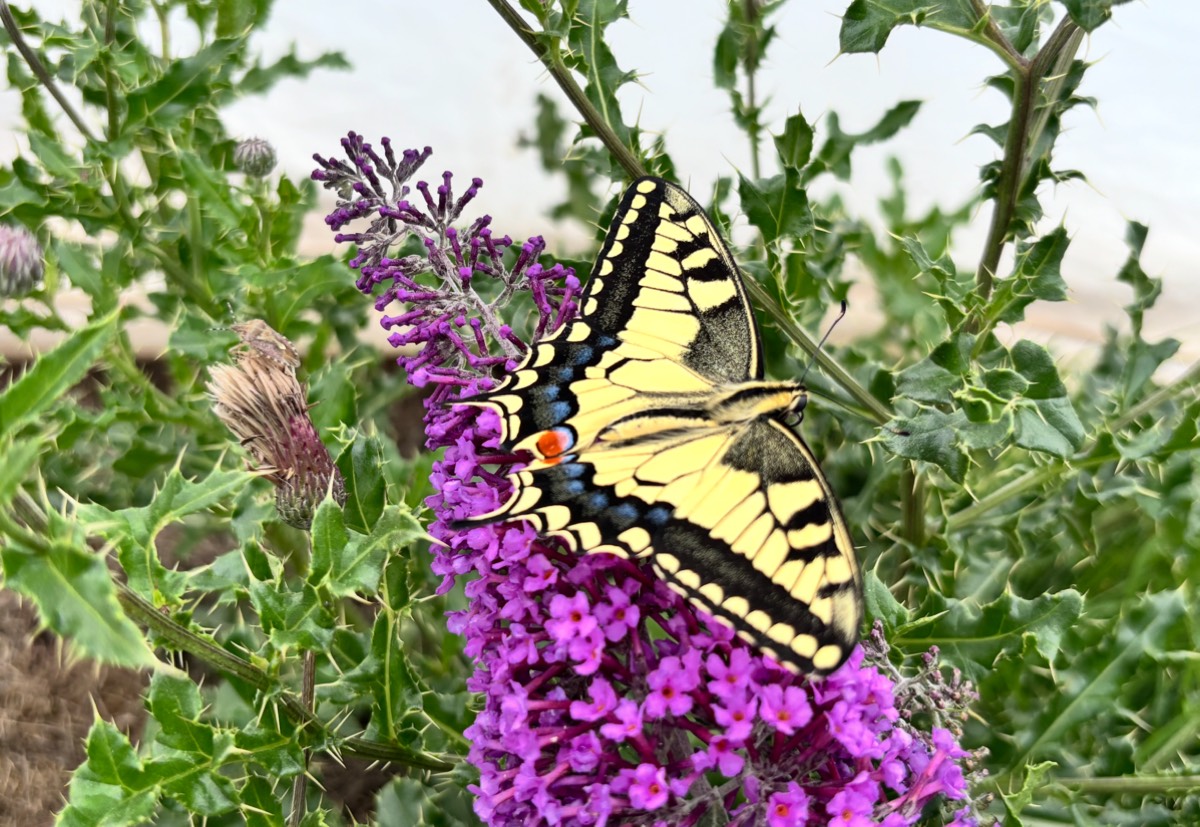
Butterflies use wing patterns to create visual illusions that confuse predators about speed and direction.
“The stripes and spots on many butterflies’ wings interfere with the way visual systems try to guess the direction and speed of moving things”
Barbershop Pole Effect
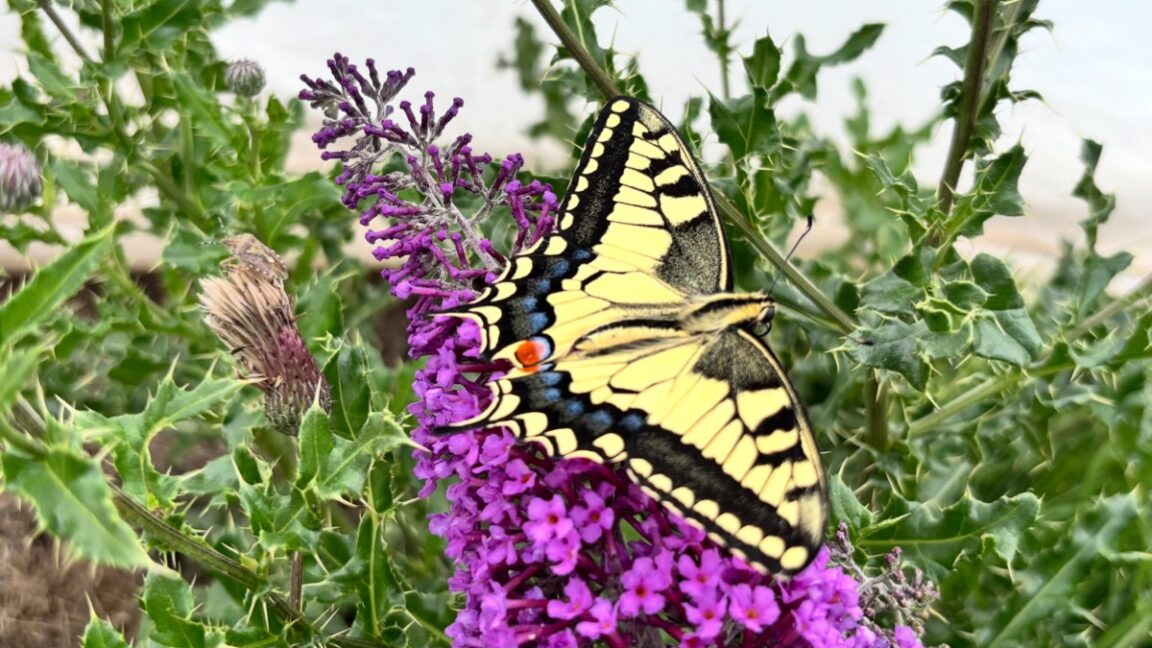
Butterflies' wing patterns mimic barbershop poles to create motion illusions that disrupt predators.
“The first slow-motion video of a butterfly I put through our bird-vision computer model was glowing with downwards motion even though the butterfly was moving up”
Wing Pattern Evolution
Butterfly wing patterns evolved to create motion dazzle effects that confuse predators during flight.
“The dazzling stripes on zebras and snakes have long been suspected of confusing predators’ motion perception”
Motion Dazzle Mechanism
Wing stripes shift angles during flight to create visual confusion for predators.
“The wings deform as they flap, coming together on the upstroke and separating on the downstroke”
Testing Motion Dazzle
Researchers tested motion dazzle by analyzing butterfly flight patterns from predators' perspectives.
“First I checked this wasn’t a coding error, that I’d swapped up and down somehow”
Widespread Effect
Motion dazzle patterns exist across 400 European butterfly species and other animals.
“They were. A third phase involved human volunteers interacting with virtual butterflies”
Evolutionary Advantage
Motion dazzle patterns likely evolved to help butterflies evade predators through flight.
“This illusory effect could be a major evolutionary driver”
Next Steps
Researchers plan to improve simulations to account for more complex wing patterns and flight dynamics.
“The next step is to improve the simulations to account for ventral wing patterning”
The main idea
Butterfly wing patterns create visual illusions that disrupt predators' ability to track flight speed and direction.





