From Ars Technica · · 1m 30s
Buttons are back in car interiors
Carmakers are ditching touchscreens and minimalist design for physical controls, storage and usability.
In brief
Carmakers are ditching touchscreens and minimalist design for physical controls, storage and usability. Car designers are abandoning minimalist piano black interiors with touchscreen-only controls in favour of physical buttons, storage and practical layouts that keep drivers' eyes on the road. Originally reported by…
The piano black era
Designers removed physical switches from car interiors, moving controls into software to save money and tooling costs. The minimalist look appealed in dealerships but frustrated drivers on the road.
“it takes my eyes off the road to change the temperature or to adjust my seat”
Why touchscreens failed
Modern cars have multiple subsystems requiring control. Each manufacturer implemented menus differently, making it hard for drivers to find intuitive ways to adjust settings while driving safely.
“It's really like I've got to go in all these menus and do stuff, and all the car companies have a different way of doing it too.”
Nissan's new approach
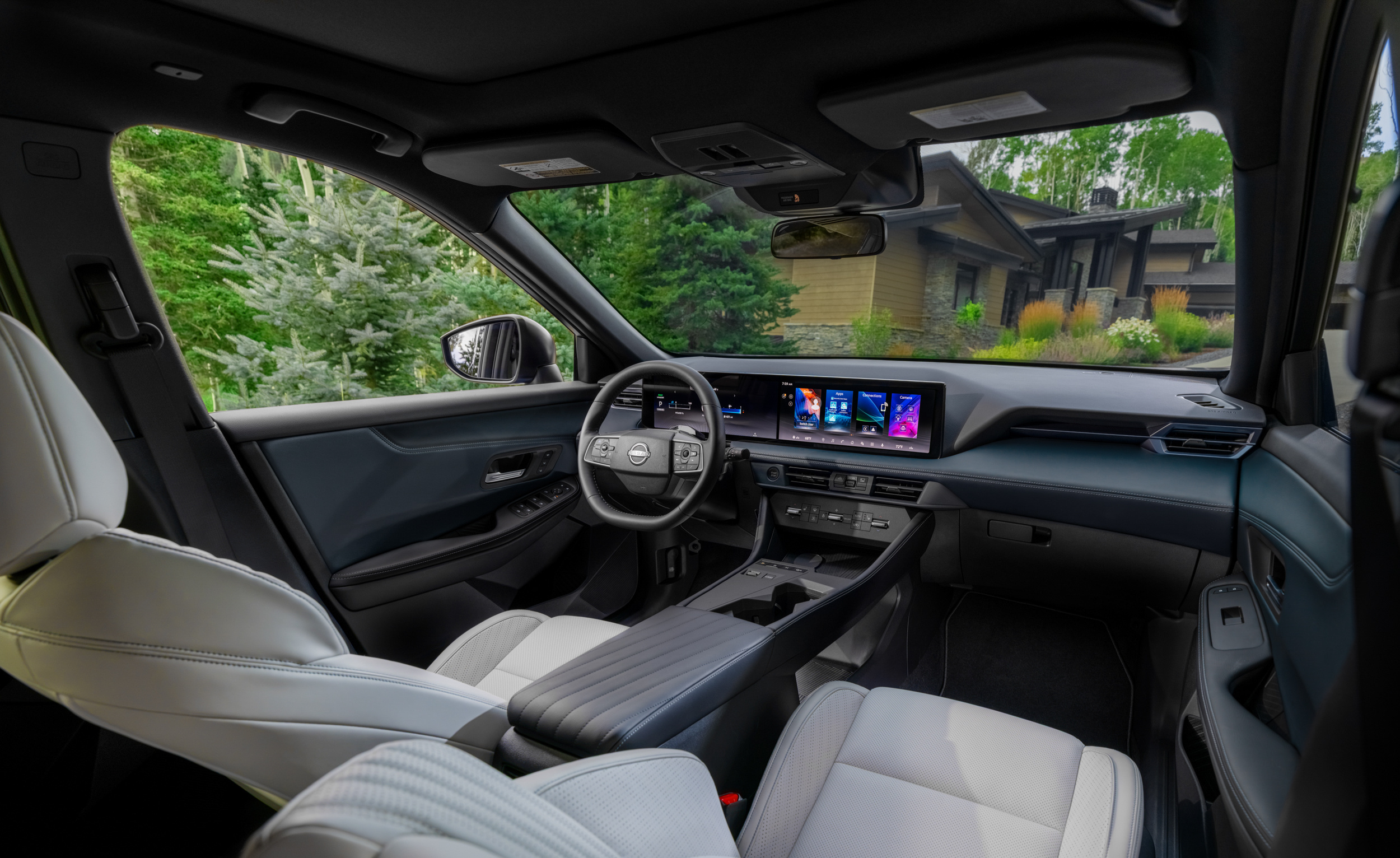
The 2027 Nissan Rogue Hybrid, designed by Hiren Patel, senior design manager at Nissan, brings back physical buttons and switches for most controls while adding practical storage throughout the interior.
What drivers actually want
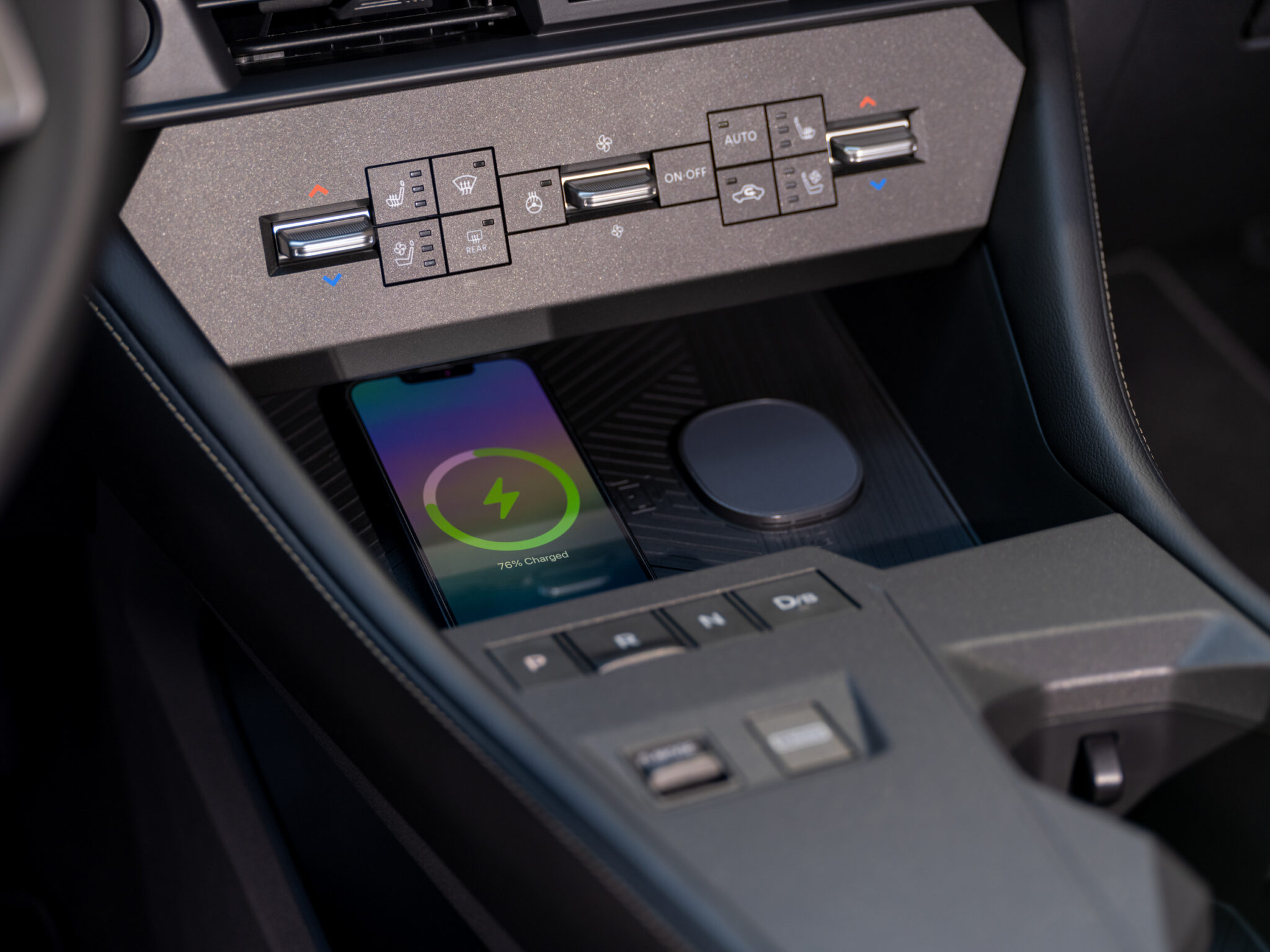
Patel identified five priorities: easy, intuitive controls; wireless charging; clean, manageable surfaces; abundant storage; and easy access. The Rogue's rear doors open to ninety degrees to accommodate car seats and elderly passengers.
“People want easy, intuitive controls. They want wireless charging. They want surfaces that are easy to manage and clean.”
Storage for families
The Rogue targets families with children and belongings. Opening the door reveals immediate storage spaces, reflecting that the target customer has a lot of stuff to carry and transport.
“they have families and they have a lot of stuff. So you'll notice that you open the door, and immediately there's places to put stuff”
Beauty in the everyday
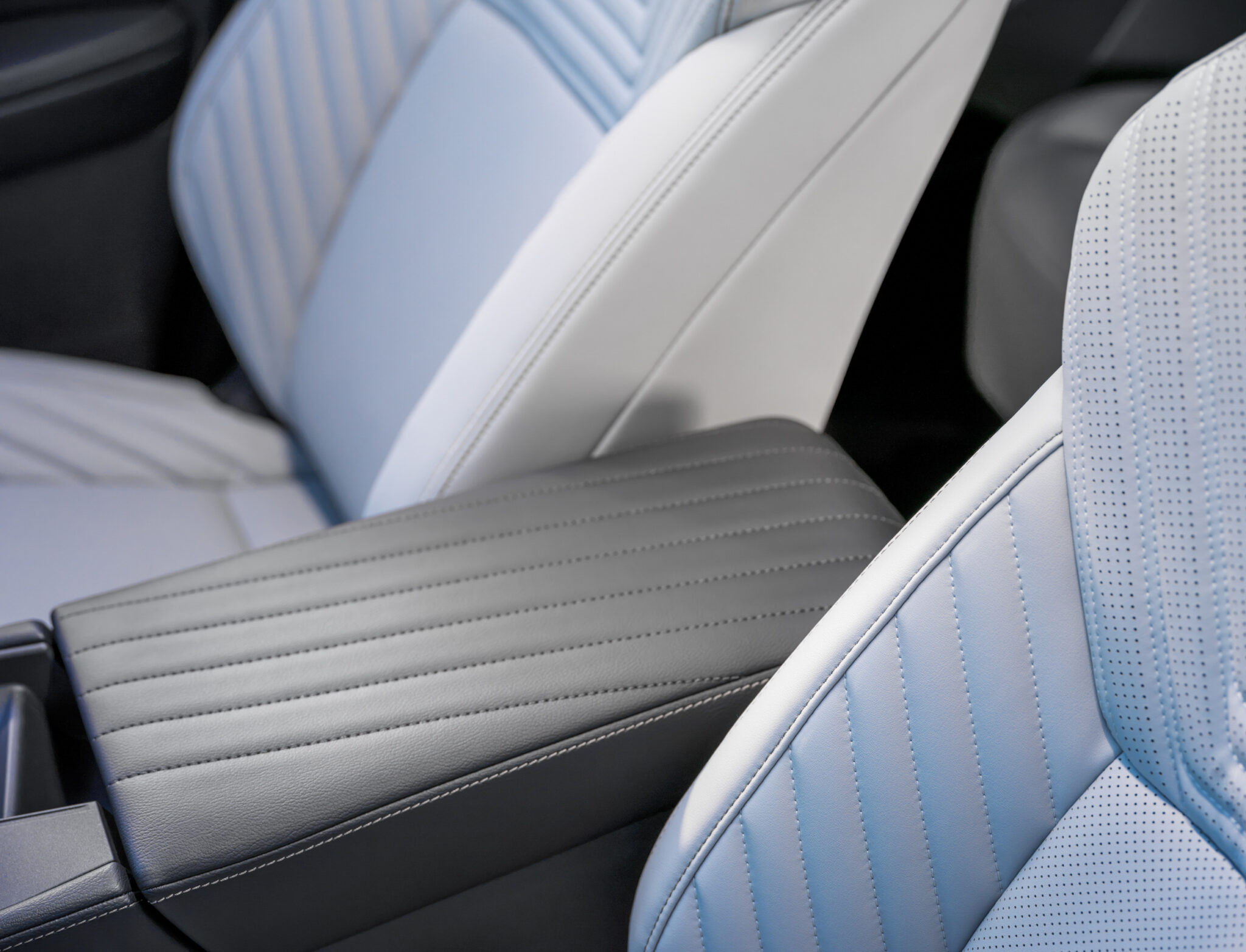
The Rogue's seats take inspiration from puffer jackets, proving that practical design need not be boring. Patel said making everyday products beautiful requires balancing cost, engineering, usability and visual appeal.
“One of the exciting things and one of the really big challenging things of doing a car or doing design for a product that is a usable everyday product is when you can make that product beautiful”
The key point
Car designers are abandoning minimalist piano black interiors with touchscreen-only controls in favour of physical buttons, storage and practical layouts that keep drivers' eyes on the road.