From Ars Technica · · 2m
Can design stop sex in robotaxis?
Researchers gather to tackle an awkward problem: content creators and tourists using autonomous vehicles for sexual activity.
In brief
Researchers gather to tackle an awkward problem: content creators and tourists using autonomous vehicles for sexual activity. Designers are exploring how vehicle interiors, transparency, monitoring systems and AI assistants might discourage sexual activity in robotaxis. Originally reported by Ars Technica.
Sex in robotaxis is happening
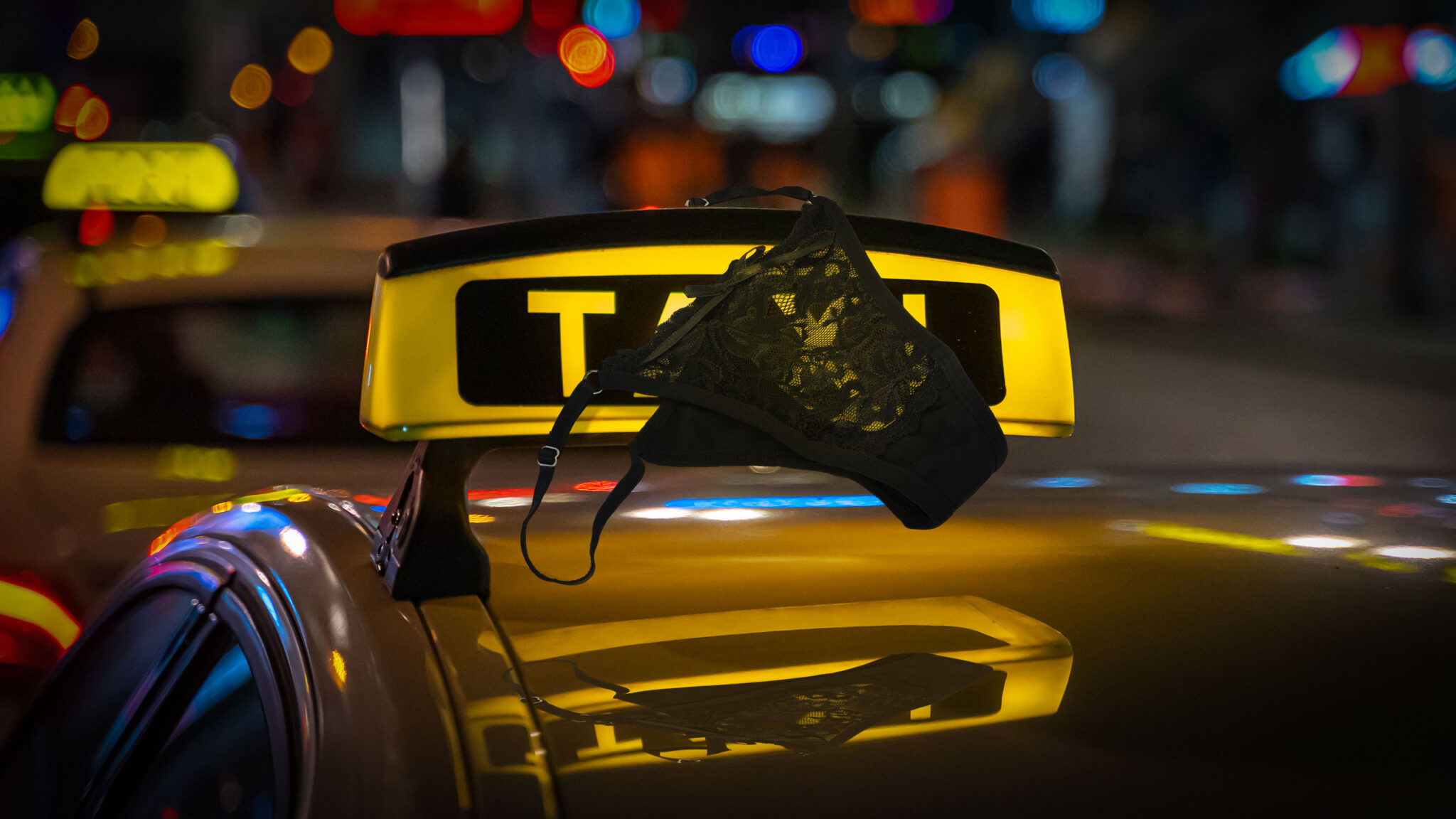
The San Francisco Standard interviewed multiple people who claimed to have had sex in General Motors' now-defunct Cruise robotaxis. One man said the absence of a driver made people increasingly comfortable escalating to sexual activities.
“There's no one to tell you, 'You can't do that.' It gets to the point where you're more and more and more comfortable.”
Researchers convene on the problem
Alexandros Rouchitsas, a human factors and UX researcher, organized a workshop called Love in Traffic in late September in Sweden. It brought together researchers from academia and industry to consider how design can address sexual activity in robotaxis.
No driver means assumed privacy
Robotaxis differ from human-driven rides because there is no social obligation to interact with a driver. Riders assume far more privacy than cameras and ridership terms and conditions actually provide, Rouchitsas said.
“You may be driving by yourself, but that's not your classic private environment.”
Two main user groups identified
Rouchitsas identified content creators using OnlyFans and Pornhub as one group, viewing robotaxis as cheap studios with good lighting and soundproofing. The other group is tourists unfamiliar with local customs and legal frameworks.
Legal risks vary by country
Different countries have vastly different legal frameworks. Rouchitsas noted that robotaxi operators work in the Middle East, Asia and China, where sexual conduct might trigger legal action beyond offense. In India, riders book seats rather than whole cars, meaning strangers might share the vehicle.
Transparent seats could help
Rouchitsas suggested making interior seats transparent so people cannot hide behind them. He noted that videos on Pornhub show most sexual activity in public transport happens because seats are opaque, allowing concealment.
“What if you make them transparent? Interior design, that's very easy. And this actually popped up in the workshop, just don't give people curtains to fool around behind.”
Monitoring and AI as deterrents
Reminding riders they are monitored could discourage sexual activity. AI assistants in the cabin could warn intoxicated or misbehaving passengers proactively, similar to how occupant monitoring systems already detect intoxicated passengers accurately.
“You can have AI assistants act proactively as well when you're obviously intoxicated; you can play the mother hostess in a way.”
Companies remain silent on solutions
Ars Technica reached out to Waymo and Zoox to ask how they discourage sexual behavior among riders but did not hear back by the time of publication.
What matters most
Designers are exploring how vehicle interiors, transparency, monitoring systems and AI assistants might discourage sexual activity in robotaxis.