From Ars Technica · · 1m 30s
Elephant communities fracture as losses outpace newcomers
Asian elephant societies in Sri Lanka fracture when steady losses exceed new members.
In brief
Asian elephant societies in Sri Lanka fracture when steady losses exceed new members. A study shows Asian elephant communities in Sri Lanka fracture when steady losses exceed new members, reducing social networks and survival rates. Originally reported by Ars Technica.
Elephant societies in Sri Lanka
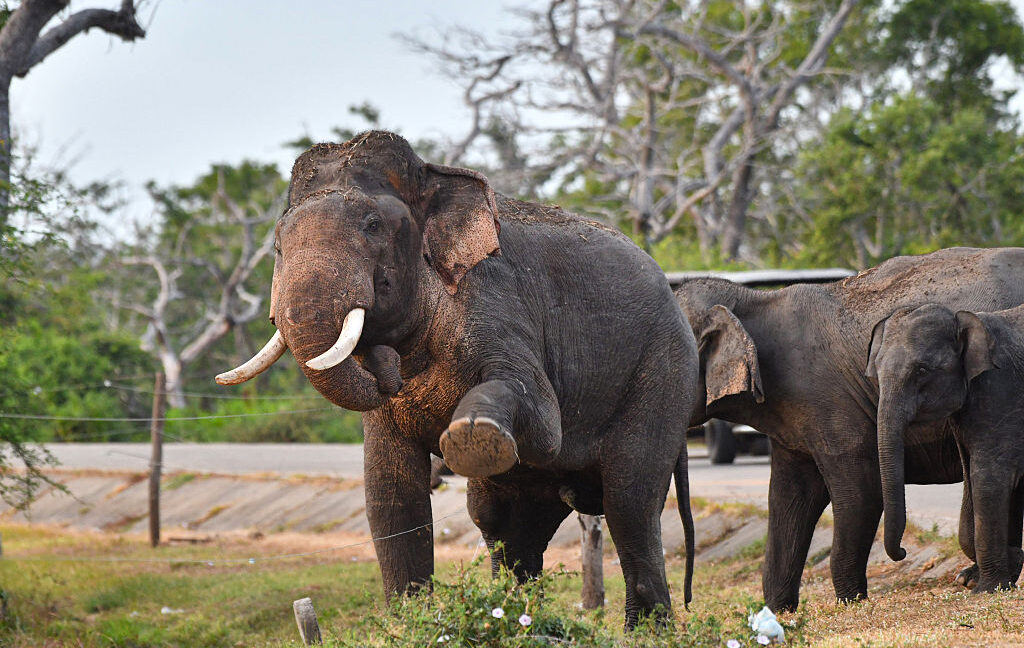
Elephants live in complex societies that hold together despite individual deaths and movements.
Study of Asian elephants
Anastasia Madsen and colleagues analyzed 12 years of observations of wild Asian elephants in Sri Lanka.
Udawalawe National Park
The park was created in the 1970s around a reservoir on one of Sri Lanka’s four major rivers.
Park transformation
The park became grassland after settlers left, attracting elephants but later facing invasive plants.
Invasive plants problem
Invasive plants like lantana create impenetrable thickets that reduce elephant forage and movement.
“In some places, they’re like an impenetrable thicket. Not even elephants really like to go there because there’s no food for them”
Elephant social structure
Females form fission-fusion societies with shifting group memberships.
Social network analysis
Researchers mapped elephant relationships to identify communities within the social network.
Early signs of fracture
Communities began to fracture as losses outpaced new members by 2012.
Population decline
By 2018, 69 percent of the original females were gone despite elephants living up to 60 years.
Fracturing process
Fracturing started with weak ties, then progressed to stronger relationships.
“The first ties to go were the weakest, the casual acquaintances”
Flickering lights
Network fluctuations before collapse could serve as early warning signs.
Current challenges
Elephant populations face human conflict and habitat loss, reducing survival rates.
The key point
A study shows Asian elephant communities in Sri Lanka fracture when steady losses exceed new members, reducing social networks and survival rates.