From Ars Technica · · 3m
FAA deploys $875M AI tool to untangle air traffic
The SMART system will help manage congestion above Washington, DC, before rolling out nationwide, but the stakes are high as the agency grapples with a decades-long controller shortage.
In brief
The SMART system will help manage congestion above Washington, DC, before rolling out nationwide, but the stakes are high as the agency grapples with a decades-long controller shortage. The FAA is betting on AI to help manage air traffic during a critical shortage of controllers, starting with a limited DC-area…
FAA launches AI traffic advisor
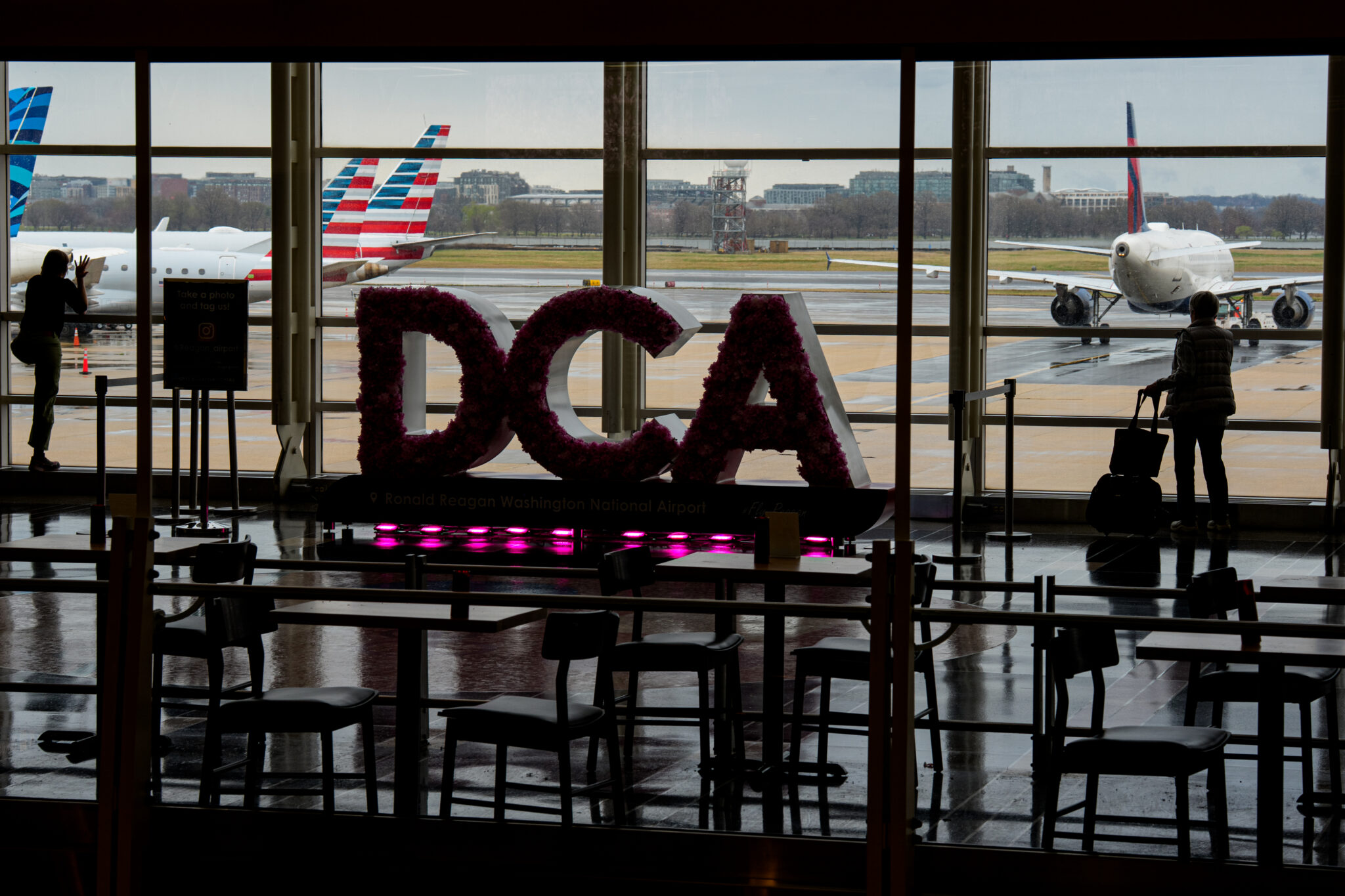
The SMART system will start advising air traffic controllers in the Washington, DC area as soon as September 21, using AI to predict traffic flows and identify conflicts based on schedules, weather, and airport capacity.
Nationwide rollout planned
The DC launch is the first step toward covering all 29 million square miles of US national airspace overseen by the FAA, with the full system eventually managing air traffic across the entire country.
Limited scope reduces risk
Starting small in DC is the right approach because SMART is a national-scale system with AI components carrying more unknowns than anything the FAA has fielded before, according to aviation safety experts.
“Every cut in scope shrinks the unknowns.”
Shared view for efficiency
SMART gives the FAA, airlines, and aircraft operators the same view of operational conditions so they can agree on efficient routes and departure times, reducing fuel burn and improving on-time performance.
Airlines initially confused
The airline industry was confused for weeks about the FAA's deployment plans until the agency clarified that SMART would not change procedures but instead provide alternative route information through existing systems.
875 million dollar contract
The FAA awarded an 875 million dollar, 12-year contract to Boston-based Air Space Intelligence in June to develop SMART and a new Flow Management Data and Services system.
Backbone and predictive layer
The new Flow Management Data and Services system serves as the backbone infrastructure, while SMART represents the predictive AI layer above it that makes recommendations to controllers.
AI model types unclear
It's unclear which types of AI models SMART uses. Options range from older deterministic models that follow rules, to machine learning that analyzes patterns, to newer generative AI that can produce different outputs for the same input.
Controller shortage decades old
The FAA has faced a decades-long shortage of air traffic controllers since President Ronald Reagan fired more than 11,000 controllers in 1981, leaving the workforce in permanent crisis with minimum staffing levels.
Recent workforce declines
The overall air traffic controller workforce declined 6 percent over the past decade, with hiring frozen during government shutdowns in 2013 and 2018-2019, plus training restrictions from COVID-19.
2025 shutdown devastated hiring
During a 43-day government shutdown from October to November 2025, the FAA lost up to 500 air traffic controller trainees, with 15 to 20 controllers retiring daily compared to an average of four per day.
Deadly reminder of stakes
On January 29, 2025, 67 people died when a Black Hawk helicopter collided with an American Airlines jet near Reagan National Airport, with understaffing cited as a causal factor in the crash.
What to remember
The FAA is betting on AI to help manage air traffic during a critical shortage of controllers, starting with a limited DC-area rollout to reduce unknowns before nationwide expansion.