From Ars Technica · · 4m
Firefox redesign aims to win users from Chrome
Mozilla launches a modernized Firefox to appeal beyond privacy advocates to mainstream users who simply prefer better design and features.
In brief
Mozilla launches a modernized Firefox to appeal beyond privacy advocates to mainstream users who simply prefer better design and features. Firefox 157 redesigns the browser to attract mainstream users on merit rather than values, while Mozilla invests heavily in enterprise tools and carefully integrates AI features…
Firefox 157 launches with modern redesign

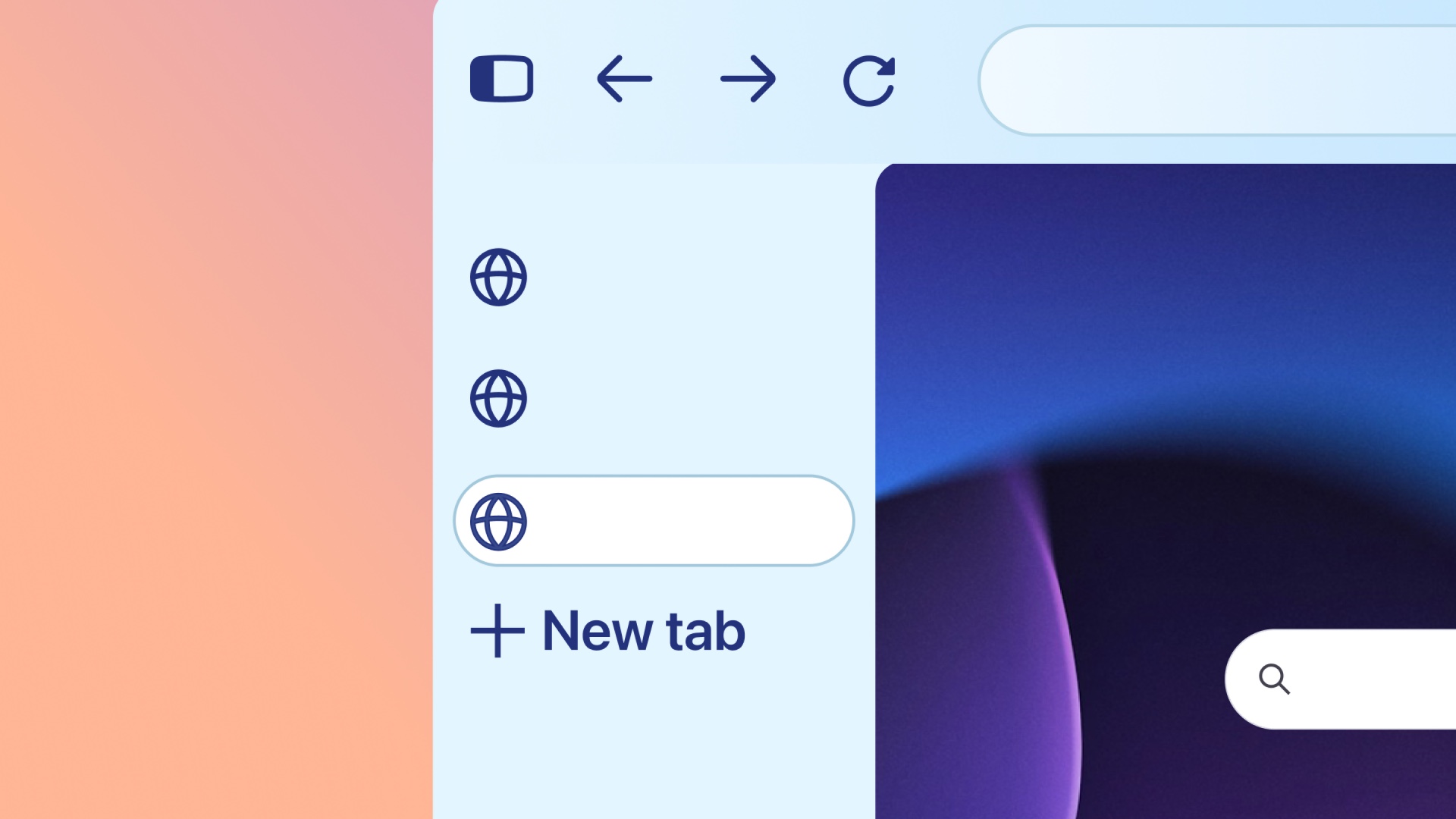
Mozilla rolls out a redesigned Firefox across desktop and mobile today, hoping to attract users beyond privacy advocates to mainstream audiences.
The core problem: not being Chrome
Firefox's biggest barrier to adoption is simple: it is not Chrome. Most users never consider switching browsers, even when alternatives are available.
“The biggest is they're not Chrome. That sounds simplistic, but it's the clear truth.”
Chromium dominates the web
Google's Chromium powers Chrome and most competitors including Microsoft Edge. Firefox uses open source Gecko, making it the main Chromium-free alternative.
Firefox needs to win on product merit

To grow beyond its small market share, Firefox must inspire users to choose it for better experience, not just values. Most people do not care about browser engine dominance.
Varma: modernizing design and speed
Mozilla's head of Firefox Ajit Varma says the redesign makes Firefox feel modern and matches operating system design language. The team is also moving faster using AI tools.
Building for a broad audience
Varma aims to build the best browser for a wide group, not just informed users who understand browser engines. Most people conflate search engines with browsers.
Owning the stack enables bolder changes

Because Firefox controls its entire technology stack, it can make deeper changes than Chromium browsers, which are easier to fork but harder to differentiate.
Choice screens drive Firefox growth
Europe's Digital Markets Act requires choice screens on mobile. Firefox has seen significant growth since these screens launched, showing people do consider alternatives when prompted.
Manifest V2 deprecation creates opportunity
Chrome deprecated Manifest V2, a powerful extension system, to weaken ad blockers. Firefox kept it, and users switched when they realized one company could control their browser experience.
AI controls offer user choice
While Chrome and Edge push AI heavily, Firefox lets users turn AI off entirely or choose specific features. This appeals to users worried about bloated browsers and corporate control.
Enterprise and schools are major investment
Mozilla's biggest new investment area is building tools enterprises and schools need: digital loss prevention, manageability, and controls. Companies also seek digital sovereignty from major tech powers.
Open source appeals to sovereignty concerns
In Europe and Asia, companies reach out to Mozilla because Firefox is open source and not controlled by any single government. Mozilla's smaller size means fewer entanglements.
AI usage remains a minority practice
Most browser users do not use AI tools daily. Firefox takes a thoughtful approach, using open source models and on-device AI rather than betting hundreds of millions on unproven features.
AI investment is less than ten percent
Varma says fewer than ten percent of Firefox engineers work on AI. The biggest investment remains Gecko performance, web compatibility, and new developer APIs.
iPhone Gecko faces cost barriers
Apple now allows alternative engines in the EU and Japan, but Firefox would need to double its iOS team to maintain separate builds for different markets. A single global rule would be far cheaper.
Google search deal remains crucial
Firefox depends on its search deal with Google for most revenue. While AI and LLMs may reshape search, Google is integrating AI deeply and search queries are still growing.
AI tools help smaller teams compete
Varma hopes AI coding tools become cheaper and commoditized so Firefox can compete with much larger companies. The bottleneck is now code review, not code creation.
More users means more negotiating power
Varma urges people to use Firefox because more users give Mozilla power to negotiate, create competition, and protect the open web. The redesign is a start, but not the finish line.
“The more people use Firefox, the more power I think we have to negotiate, the more power that we have to create balance and competition and protect the web.”
Mozilla must turn capability into reasons to switch
Even with engine independence and AI tools, Mozilla must convert its freedom and capability into improvements that give people real reasons to abandon Chrome and its competitors.
Here's the gist
Firefox 157 redesigns the browser to attract mainstream users on merit rather than values, while Mozilla invests heavily in enterprise tools and carefully integrates AI features.





