From Ars Technica · · 2m
Forty percent of hospitals flunk pandemic drill
A New York health test found most facilities too slow to mask and isolate patients with mystery fevers that could signal bird flu.
In brief
A New York health test found most facilities too slow to mask and isolate patients with mystery fevers that could signal bird flu. Only sixty percent of seventy-three healthcare facilities in New York, New Jersey and the US Virgin Islands properly masked and isolated actors posing as bird flu patients in a January to…
The pandemic gap at ground level
COVID-19 exposed weaknesses in pandemic preparedness. A new study shows that even at the first local steps of an outbreak, healthcare systems remain worryingly underprepared to spot and contain threats.
New York tests its readiness
Health officials in New York ran a regional drill of healthcare facilities to test their ability to identify and respond to a patient with a mystery infection posing a pandemic-level threat. The results were poor.
How the drill worked
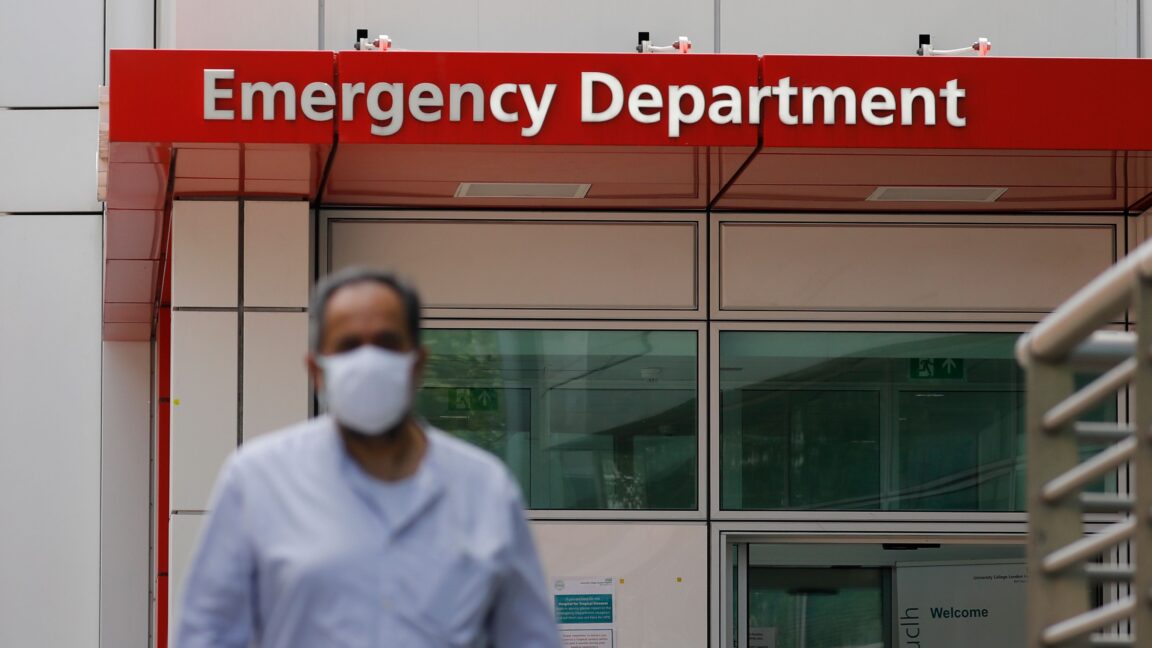
Professional patient actors visited seventy-three healthcare facilities between January and June twenty twenty-six, pretending to have H five bird flu symptoms. They wore makeup to look unwell, used eye drops and petroleum jelly to mimic conjunctivitis, and had a fake cough.
The bird story that should have alarmed staff
Actors told staff they felt weak and feverish and reported taking Motrin before coming in. When asked about sick contacts, they said, "Does a sick bird count?" and described trying to save a sick duck they found in a park without wearing gloves.
“Does a sick bird count?”
Most facilities failed the basics
Only sixty percent of the seventy-three facilities both masked and isolated the actors. Fifty-five percent of emergency departments passed, compared to sixty-eight percent of clinics and sixty-seven percent of urgent care centers. Eighteen percent didn't offer a mask.
Speed and detection both lagged
Of facilities that masked and isolated, fewer than half did so within the one-minute goal. Less than half moved patients to isolation within ten minutes. Only seven of seventy-three facilities asked questions specific to bird flu exposure despite the duck story.
Clinicians unprepared for protection
Only twenty-five percent of clinicians wore all recommended personal protective equipment. Six percent wore none. Nineteen percent didn't wear a mask or respirator. Only fifty-five percent of facilities notified or planned to notify Infection Prevention and Control staff as recommended.
The short version
Only sixty percent of seventy-three healthcare facilities in New York, New Jersey and the US Virgin Islands properly masked and isolated actors posing as bird flu patients in a January to June twenty twenty-six drill.





