From Ars Technica · · 3m
Glass bead entangled with light in quantum first
Researchers entangle a visible glass bead with a light beam, a technical achievement that could lead to quantum memory systems.
In brief
Researchers entangle a visible glass bead with a light beam, a technical achievement that could lead to quantum memory systems. Physicists entangled a glass bead with laser light for the first time, demonstrating quantum mechanics at a scale normally too large to show such effects, with potential applications in…
What entanglement really means
Quantum entanglement means two objects are linked so their behavior is correlated. Two photons can be joined so they have correlations in energy, even when separated by vast distances.
The measurement mystery
When two entangled photons are created by dividing one photon, each carries unknown energy. Measuring one photon instantly sets the energy of the other, even with no time delay between them.
Why size usually destroys entanglement
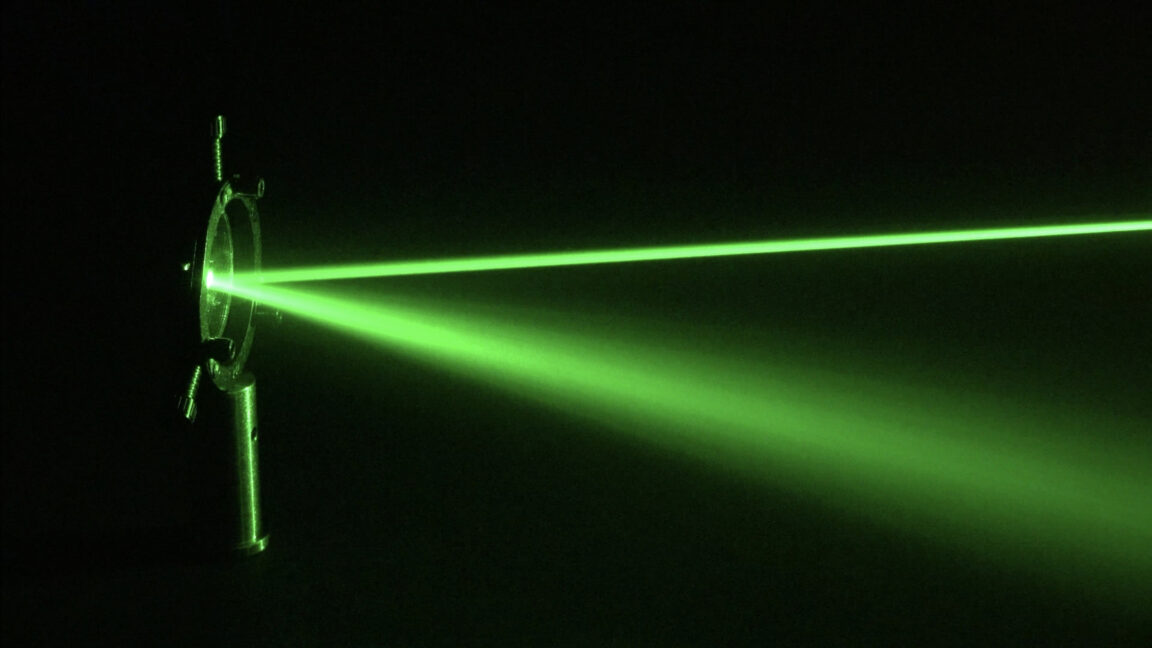
Larger objects interact with the rest of the world, destroying quantum correlations almost instantly. A glass bead is so large that entanglement should wash out before measurement, making this experiment unusual.
Suspending the bead with light
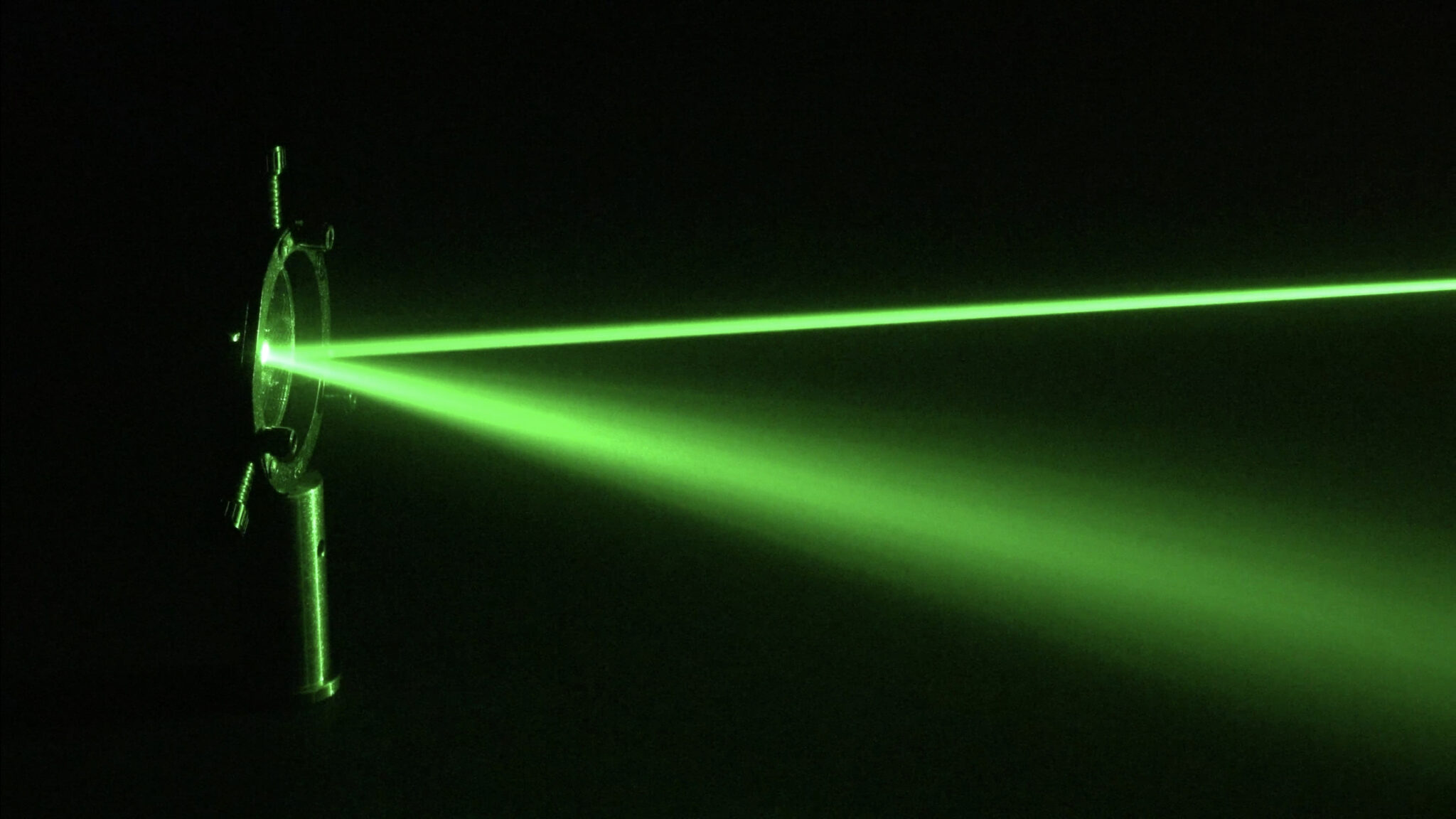
Researchers used laser light in optical tweezers to suspend a glass bead. The laser light is confined between two mirrors called an optical cavity, with the bead at the center.
Creating a standing wave pattern
The optical cavity creates a standing wave pattern, setting fixed locations between mirrors with high and low light intensities. This makes the interaction between bead and light field very well defined.
Cooling the vibrating bead
The bead vibrates within the laser beam like it is held by elastic bands. Cooling means slowing vibration by reducing laser frequency to red, so the bead gives energy to the light field via the…
Heating to create entanglement

Once cooled, researchers increase laser frequency to blue to give the bead a kick. The same Doppler shift that was removing energy now adds it, creating the conditions for entanglement.
Two beams working together
The cooling beam only works if the bead moves more than its minimum, which the heating beam ensures. The two light fields are correlated with each other via the bead's motion, creating entanglement.
Measuring the entanglement
A small amount of light leaks from one mirror, revealing tiny fluctuations in phase and amplitude correlated to bead movement. Measuring correlations between both light fields lets researchers observe the entanglement.
A technical achievement
The measurements are noisy and rely on a detailed model to distinguish entangled from non-entangled states. This is the first measurement of its kind, so results should improve with further work.
Quantum memory applications
In quantum communications, light carries quantum information but storing light is difficult. This mechanical system allows information to be stored locally as memory in a fully artificial, designable system.
The essence
Physicists entangled a glass bead with laser light for the first time, demonstrating quantum mechanics at a scale normally too large to show such effects, with potential applications in quantum memory.





