From Ars Technica · · 2m
Hawaii's lava fountains still hold their secrets
Kilauea's recent eruptions gave scientists unprecedented data on how volcanoes hurl molten rock hundreds of metres into the air, but the mechanism remains unclear.
In brief
Kilauea's recent eruptions gave scientists unprecedented data on how volcanoes hurl molten rock hundreds of metres into the air, but the mechanism remains unclear. Kilauea's 2024 eruptions provided the best data yet on lava fountains, helping scientists predict when they occur, but the exact mechanism driving them…
Lava fountains remain a mystery
Volcanoes at Mount Etna, Hawaii and Iceland expel lava in dramatic fountains reaching several hundred metres high, but scientists do not yet understand what powers them.
Kilauea offers rare opportunity
Kilauea has had only three fountaining episodes since eighteen twenty-three despite being Hawaii's youngest and most active volcano. Researchers from the US Geological Survey studied recent eruptions with thirty-five data-gathering stations.
Magma reservoir refilled rapidly
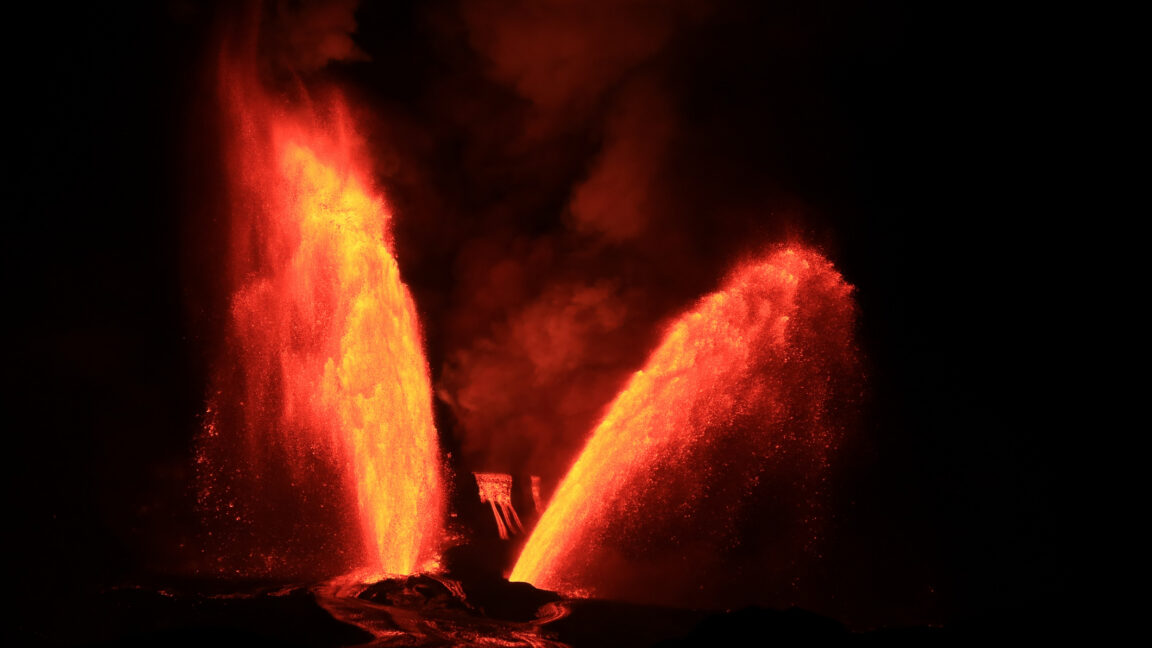
After a major eruption in two thousand eighteen drained an underground lava reservoir, refilling accelerated from twenty-two centimetres a year in two thousand nineteen to fifty-seven centimetres a year by two thousand twenty-three.
Fountains reached four hundred metres
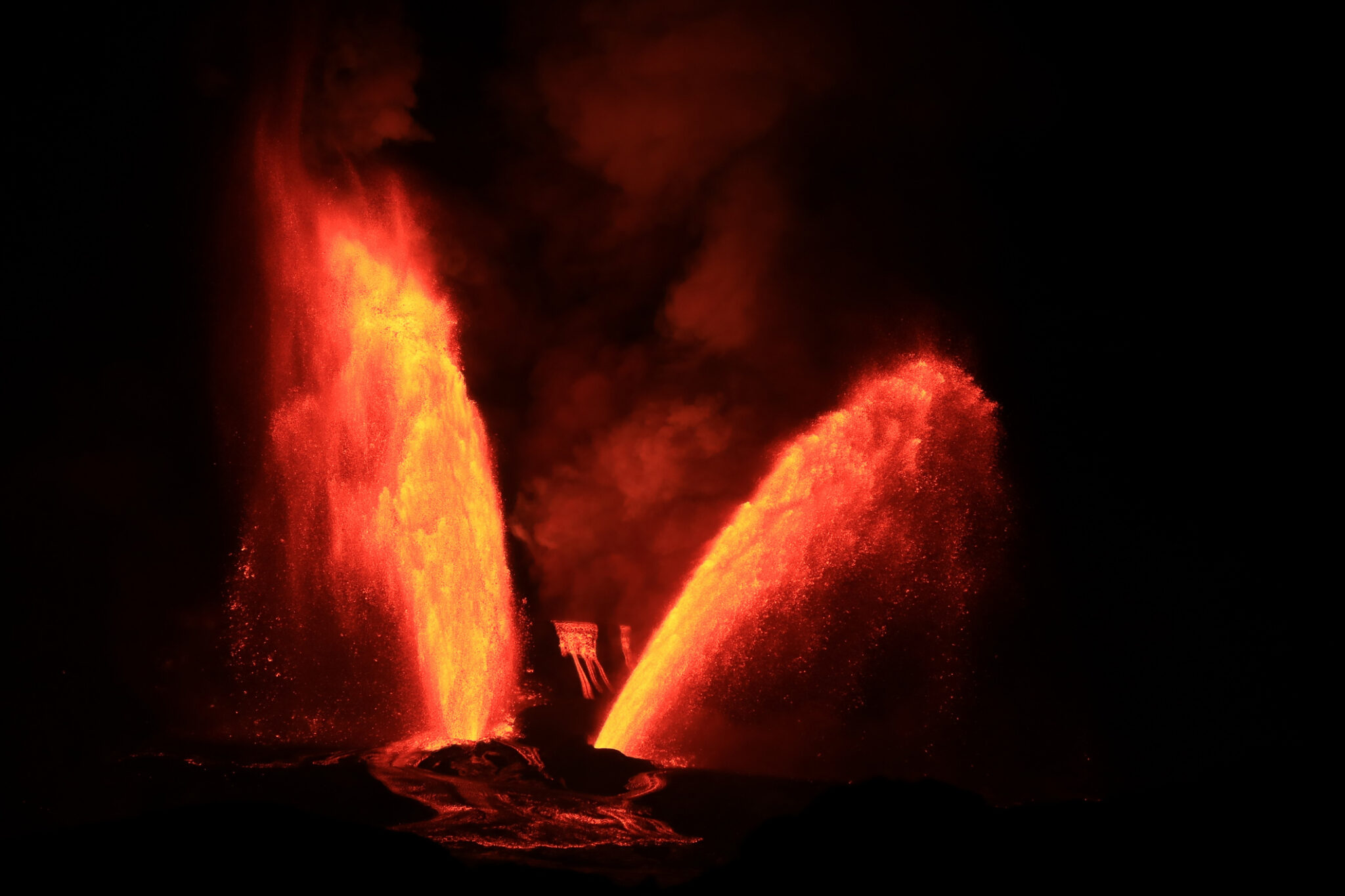
In two thousand twenty-four, a nine hundred-metre-long fissure opened, sending fountains one hundred sixty metres high over thirteen hours.
Scientists predicted eruptions
The US Geological Survey recognised that consecutive eruptions occurred when the summit tilt reached similar levels.
Two competing theories exist
One theory holds that water pressure fragments magma, allowing rapid ascent and steam escape. The alternative suggests carbon dioxide forms a magma-gas foam at the magma chamber roof, which escapes and drives magma upward until…
Evidence favours steam model
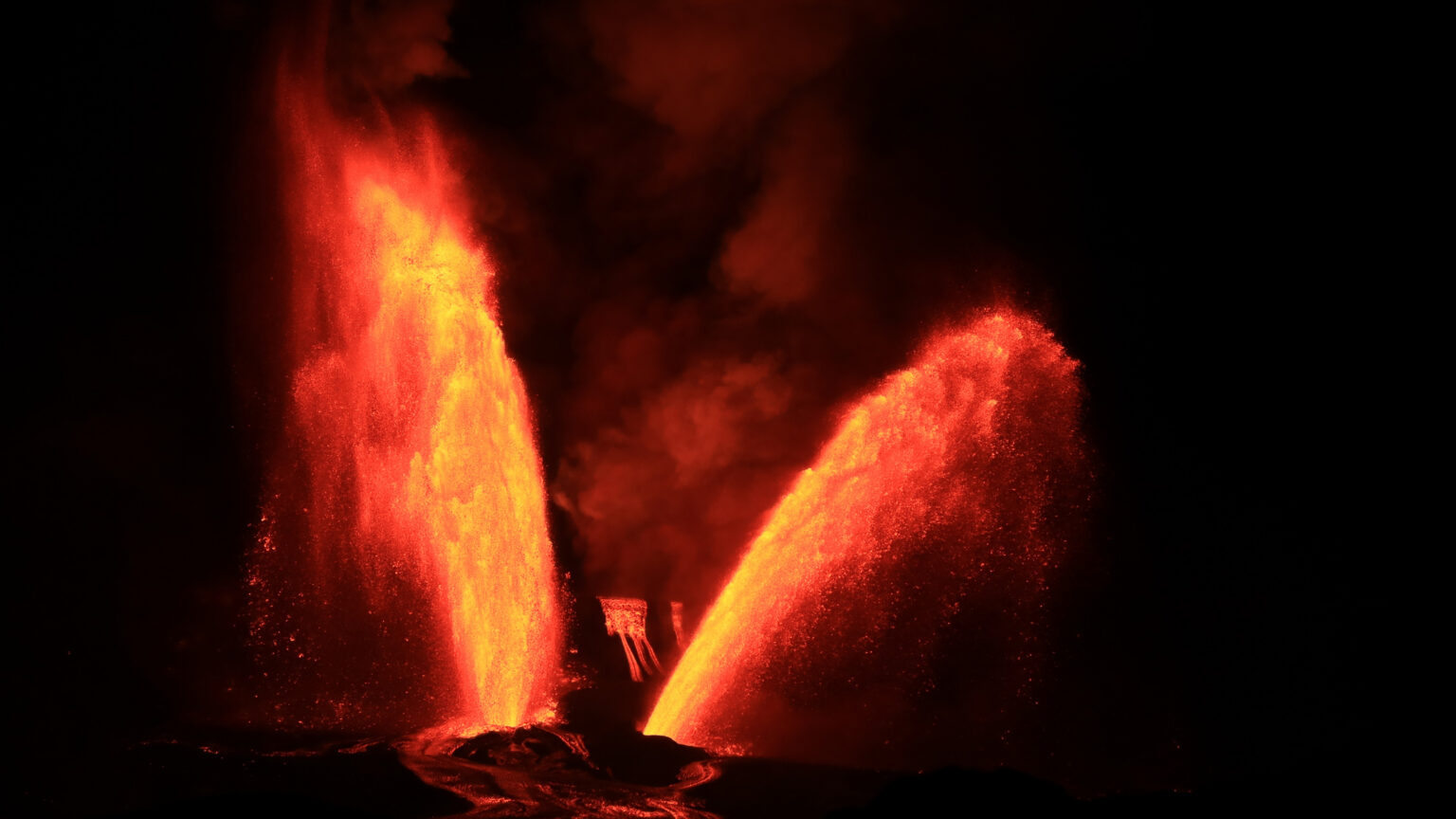
Carbon dioxide levels remained low throughout the eruption cycle, ruling out the foam theory. Sulphur dioxide rose during eruptions but stayed high throughout, suggesting the steam-driven model better explains the fountains, though why it suddenly…
Magnesium oxide shows cycles
Magnesium oxide fluctuated throughout the eruption cycle, consistent with eruptions depleting a reservoir then refilling with hot material. Other oxides rose over time, suggesting newly arriving material has distinct chemical composition.
More data still needed
Researchers acknowledged needing more data. Infrared sampling was difficult during fountaining eruptions, and the height of fountains made installing additional monitoring hardware unsafe. One camera was destroyed capturing images of falling molten rock.
“One camera notably sacrificed itself in order to bring us images of red-hot, semi-molten rock falling from the sky.”
The headline
Kilauea's 2024 eruptions provided the best data yet on lava fountains, helping scientists predict when they occur, but the exact mechanism driving them remains unknown.





