From Ars Technica · · 1m 50s
How brewers can save smoke-tainted hops
Oregon State University researchers found that when and how brewers add smoke-damaged hops determines whether the beer tastes smoky or normal.
In brief
Oregon State University researchers found that when and how brewers add smoke-damaged hops determines whether the beer tastes smoky or normal. Oregon State University scientists discovered brewers can use smoke-tainted hops if they add them during boiling rather than dry-hopping, or blend them at less than fifty…
Wildfires threaten the hop supply
The two thousand twenty Oregon wildfires burned over one million acres and killed eleven people.
Smoke creates unwanted flavors
Volatile phenols from wildfire smoke alter hop aroma, creating meaty, smoky, and artificial BBQ notes that overpower desirable beery qualities like citrus notes or aroma intensity.
OSU tests smoke-tainted hops
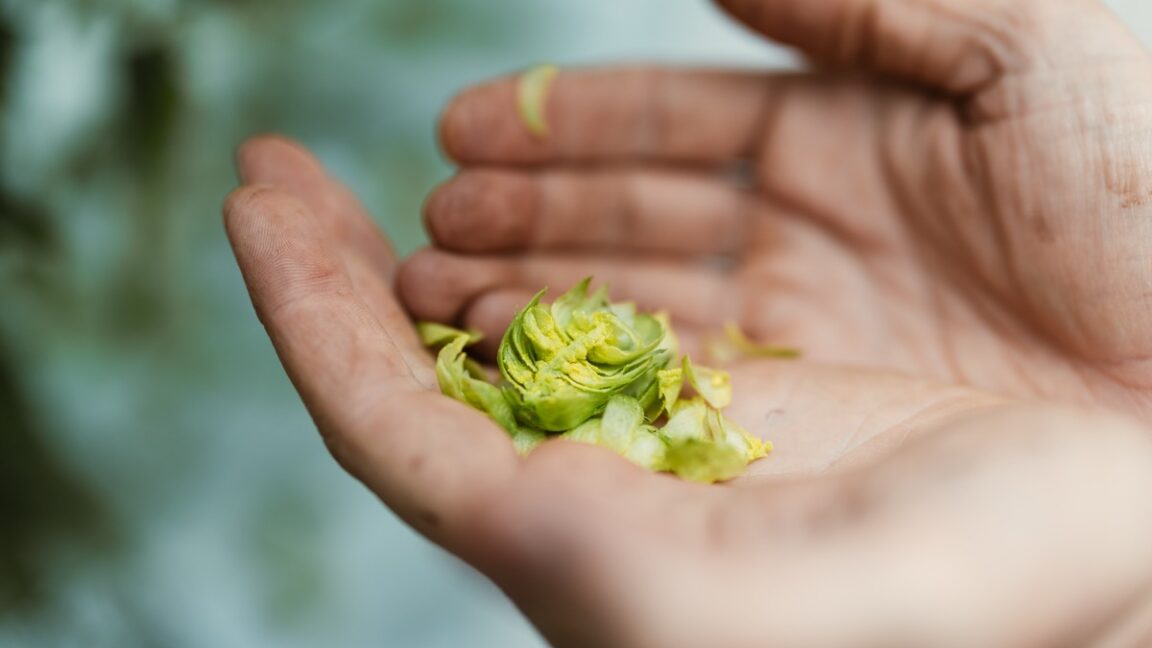
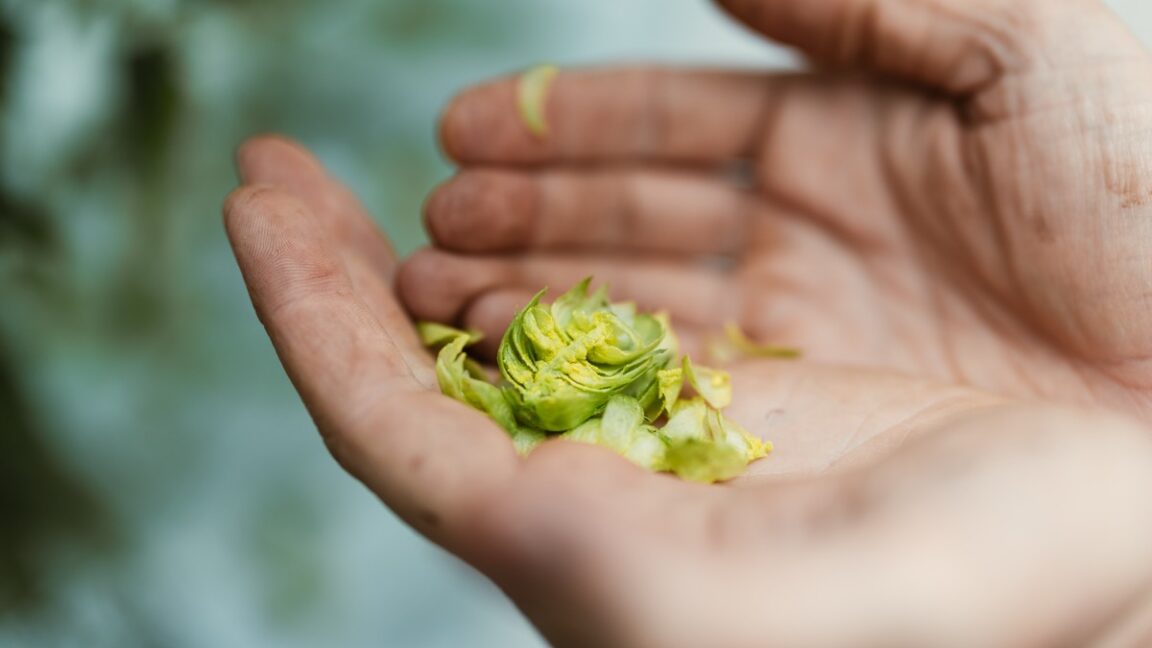
Thomas Shellhammer and graduate student Cade Jobe at Oregon State University smoked Idaho-grown Cascade hops in kilns, then brewed beer blending tainted and untainted hops at different levels.
Dry-hopping amplifies smoke flavor
When tainted hops were added after fermentation through dry-hopping, volatile phenol concentrations increased and tasters reported intense smoky, meaty, medicinal, and artificial BBQ flavors.
Boiling eliminates the smoke taste
When tainted hops were added during wort boiling, the resulting beer was indistinguishable from beer brewed with no smoke-tainted hops, despite the same volatile phenol increases.
A practical solution for brewers
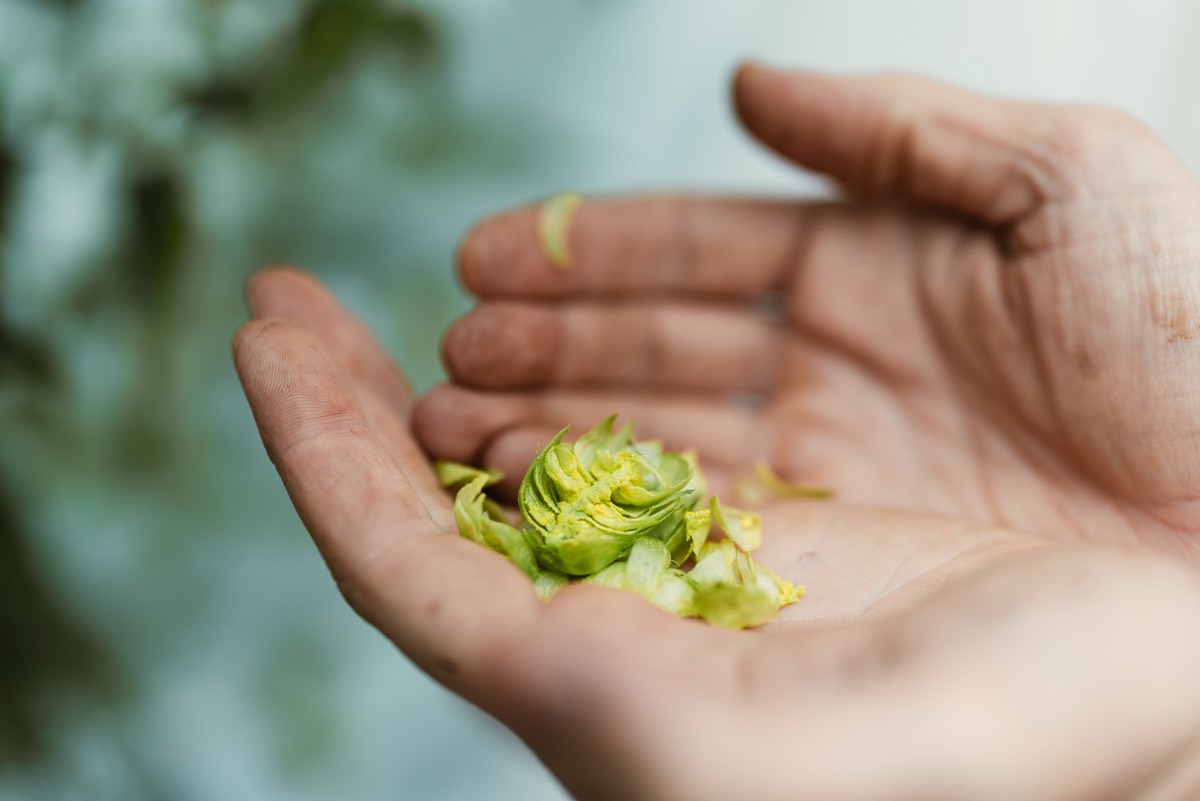
Brewers can blend smoke-tainted hops with untainted batches when dry-hopping, keeping tainted hops to less than fifty percent. This allows brewers to use damaged hops and reduce economic losses.
“This research begins to provide some practical information to help hop growers and brewers understand how smoky hops impact beer so that they can make the best decisions.”
The essence
Oregon State University scientists discovered brewers can use smoke-tainted hops if they add them during boiling rather than dry-hopping, or blend them at less than fifty percent when dry-hopping.
Read the TL;DR — this story on one card.