From Ars Technica · · 2m
How Chinese drones became Nepal's lifeline
Four donated cargo drones are hauling food in and bodies out after Nepal's glacier flood, and the flights say as much about tech rivalry as rescue.
In brief
Four donated cargo drones are hauling food in and bodies out after Nepal's glacier flood, and the flights say as much about tech rivalry as rescue. In the places relief work is hardest, DJI already owns the sky, and the payload gap over US rivals is roughly 100 pounds to 11. Originally reported by Ars Technica.
Drones are doing the hardest job
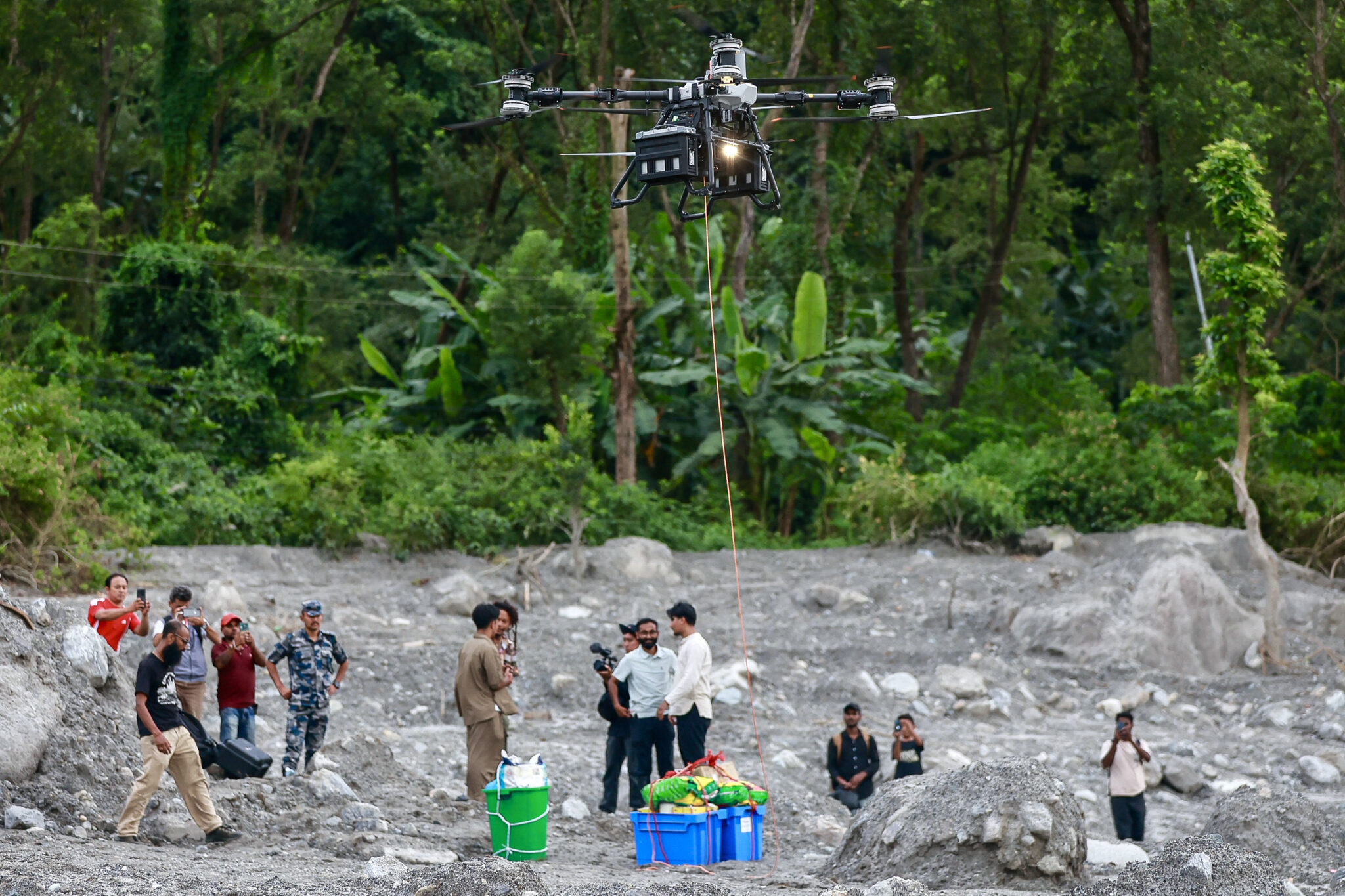
After flash floods on the Nepal-Tibet border, Chinese-made drones are flying food to survivors and carrying out the bodies of the dead.
Four machines, sixteen runs a day
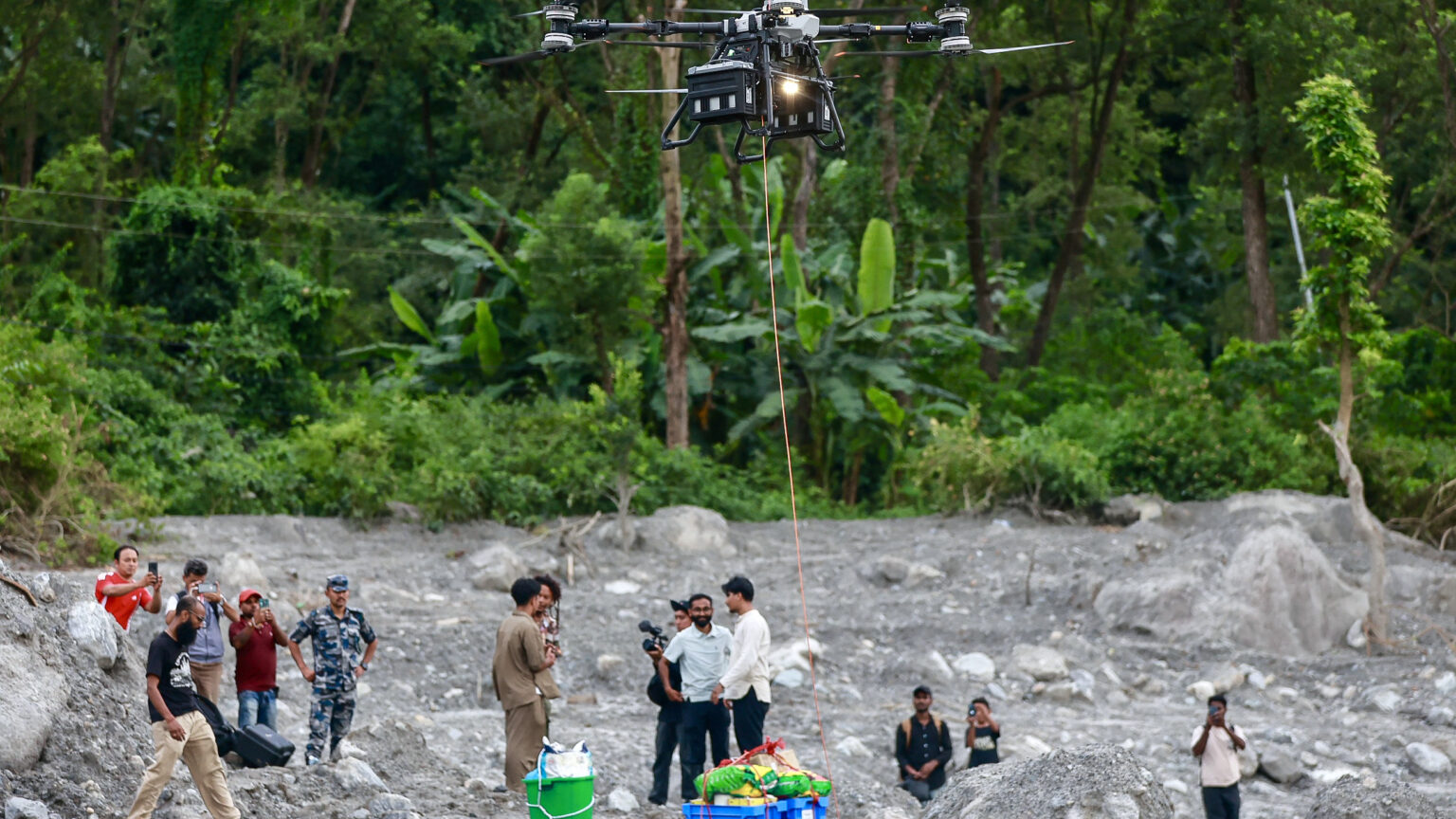
Nepal's army is flying four DJI FlyCart 100 drones donated by China, making 10 to 16 aid deliveries a day since the August 26 glacier collapse.
A winch that lifts a person
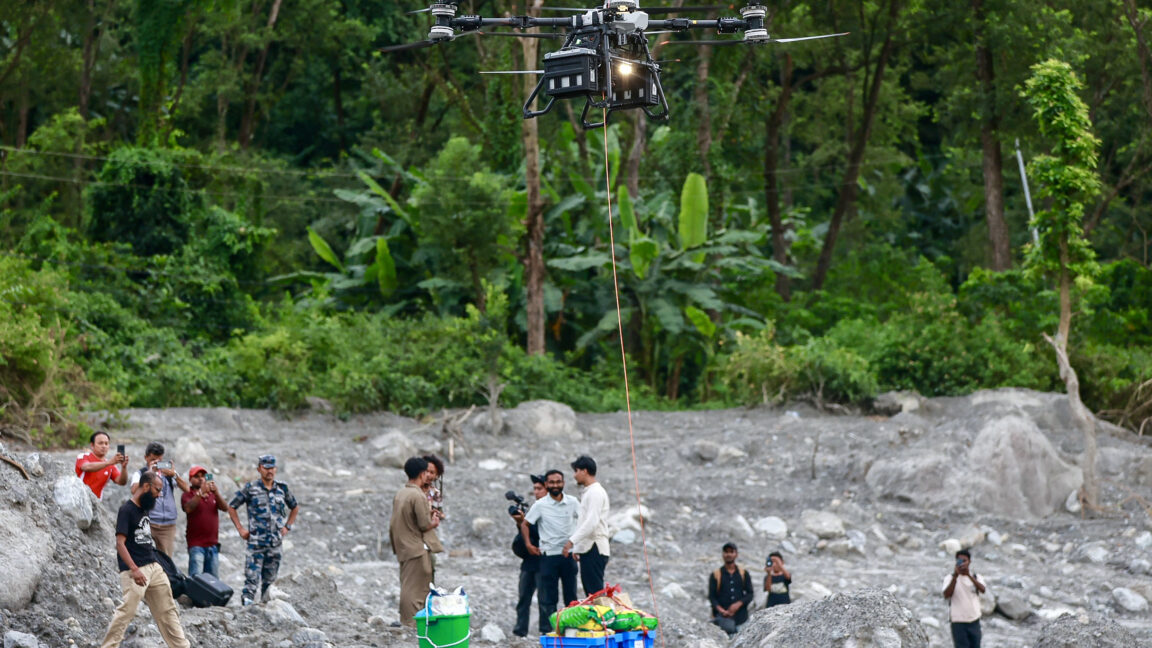
The FlyCart 100 carries a 98-foot rope and winch and is rated for 187 to 220 pounds. In Nepal it hauls about 132 pounds a trip, enough to move a body.
The toll keeps climbing
Nepal counted 1,369 dead by September 9, with more than 5,000 still missing, including 587 foreign nationals. China reported 43 deaths and over 500 missing on its side.
What the flights added up to
Thirty-one flights moved 1,591 kilograms of food. The UN is asking for $20.5 million to reach 43,000 people.
Small drones went into the tunnels
With 21,000 police and soldiers searching, pilots flew small drones into flooded hydropower tunnels. One found passages packed "like toothpaste in a tube."
“filled with mud like toothpaste in a tube”
Speakers that found survivors
Rescuers mounted speakers on the drones to call out or play music underground. It located people in a few cases. Nepal says 13,646 have been rescued.
Everest became a proxy fight
Sherpas have used DJI drones since 2024 to run oxygen up and trash down. In May, a US envoy's team tried to fly an American rival from base camp and was denied permission.
A hundred pounds versus eleven

At Everest altitude DJI lifts about 100 pounds to the US Freefly's 11, and costs less. DJI holds 70 to 80 percent of commercial drone sales, which is why Washington is reaching for tariffs and bans.
The essence
In the places relief work is hardest, DJI already owns the sky, and the payload gap over US rivals is roughly 100 pounds to 11.





