From Ars Technica · · 5m
I spent $4,000 on a robot dog from China
A Unitree quadruped is useless, buggy, and it collapsed on the sidewalk. It may also be the start of a Chinese robotics takeover.
In brief
A Unitree quadruped is useless, buggy, and it collapsed on the sidewalk. It may also be the start of a Chinese robotics takeover. Unitree is not winning on polish, it is winning on price, and cheap hardware plus a manufacturing flywheel is how DJI took the drone market. Originally reported by Ars Technica.
A walk with a robot dog
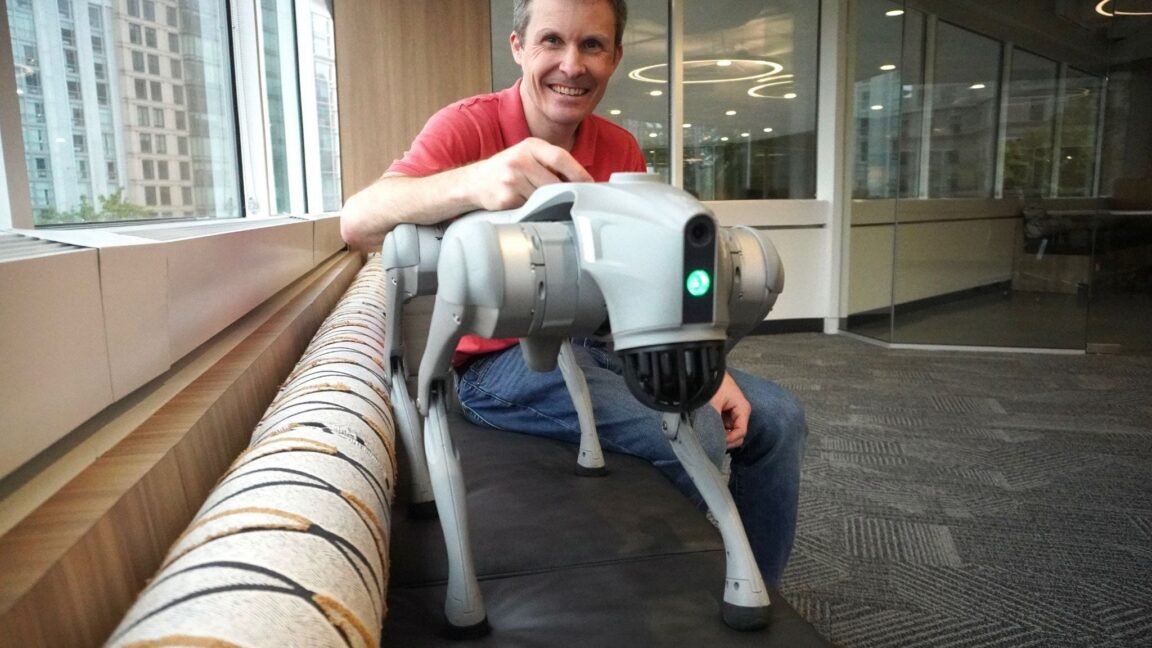
On a June morning in Washington, DC, the writer walked two miles to work beside a Unitree quadruped. Strangers took photos, asked if it was surveillance, and kids got handshakes and handstands.
“I've never gotten more attention from strangers.”
Real dogs were not fans
Biological dogs kept their distance from the mechanical one. Some growled, some barked.
Then it just died
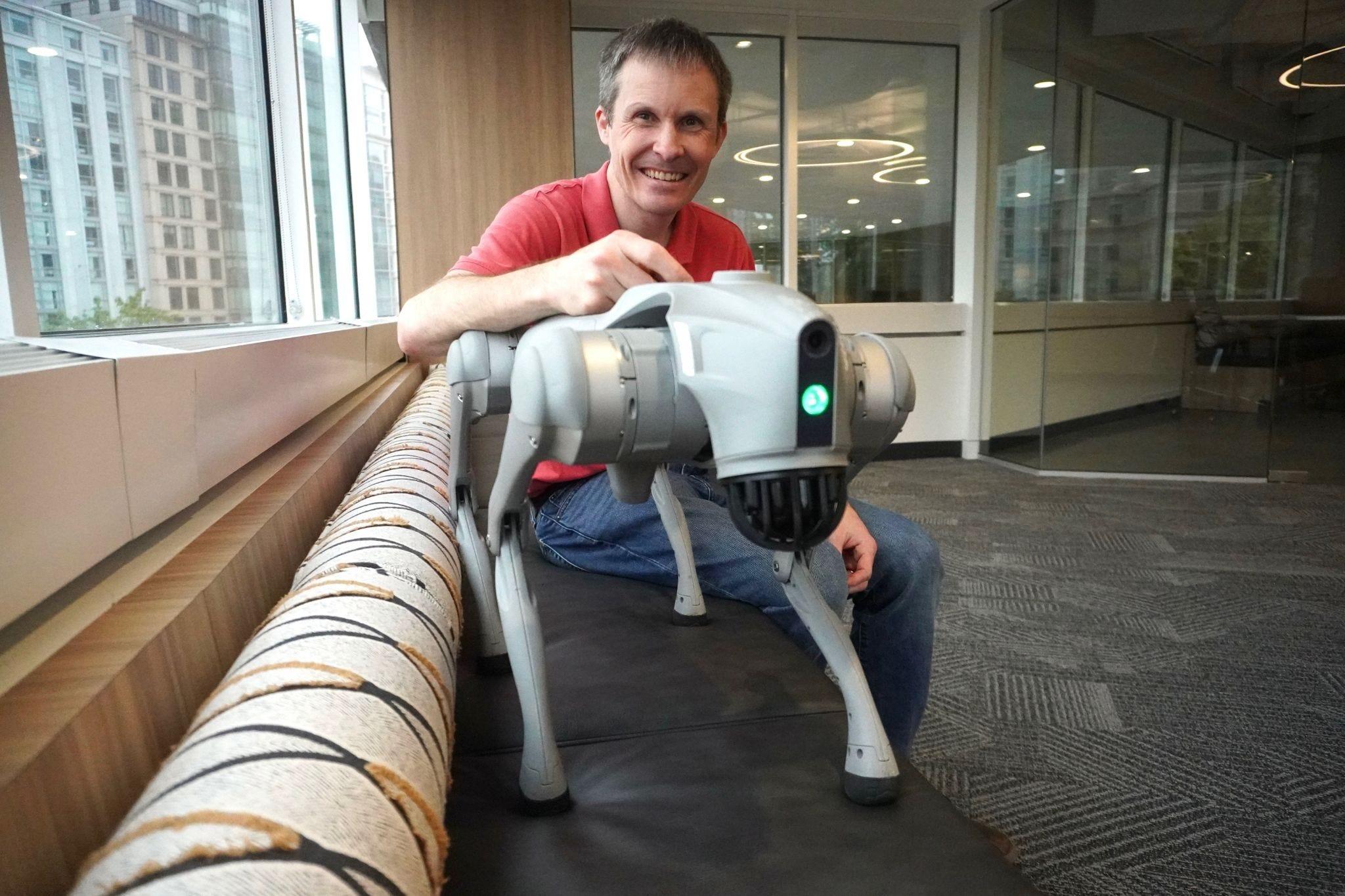
The walk home was uphill at 87°F. Battery hit 5 percent, internal temperature hit 84°C, and the robot collapsed within sight of the front door, rolling onto its back with its legs in the air.
“it didn't shut down gracefully”
What is it good for
Honestly, not much. Wheeled robots deliver better, drones inspect better, and this one has no arms, so it is useless around the house.
“Several people have asked me what my robot is useful for, and the honest answer is not much.”
The price is the product
He paid $4,017 after tariffs and shipping. That is the most he has ever spent on a review unit, and a fraction of what the same class of robot cost a few years ago.
Cheap is the real invention
Xerox built the first PC with a graphical interface, but Apple, IBM, and Microsoft made it mainstream. Affordability, not novelty, is what moves a technology into the world.
“Sometimes what changes the world isn't the invention of a new technology; it's figuring out how to make it affordable enough for a mass market.”
A $34 billion company
Unitree listed in Shanghai on August 19. Shares jumped more than fivefold on day one, and even after cooling off the company was worth $34 billion, triple its pre-IPO valuation.
Unitree democratized the field
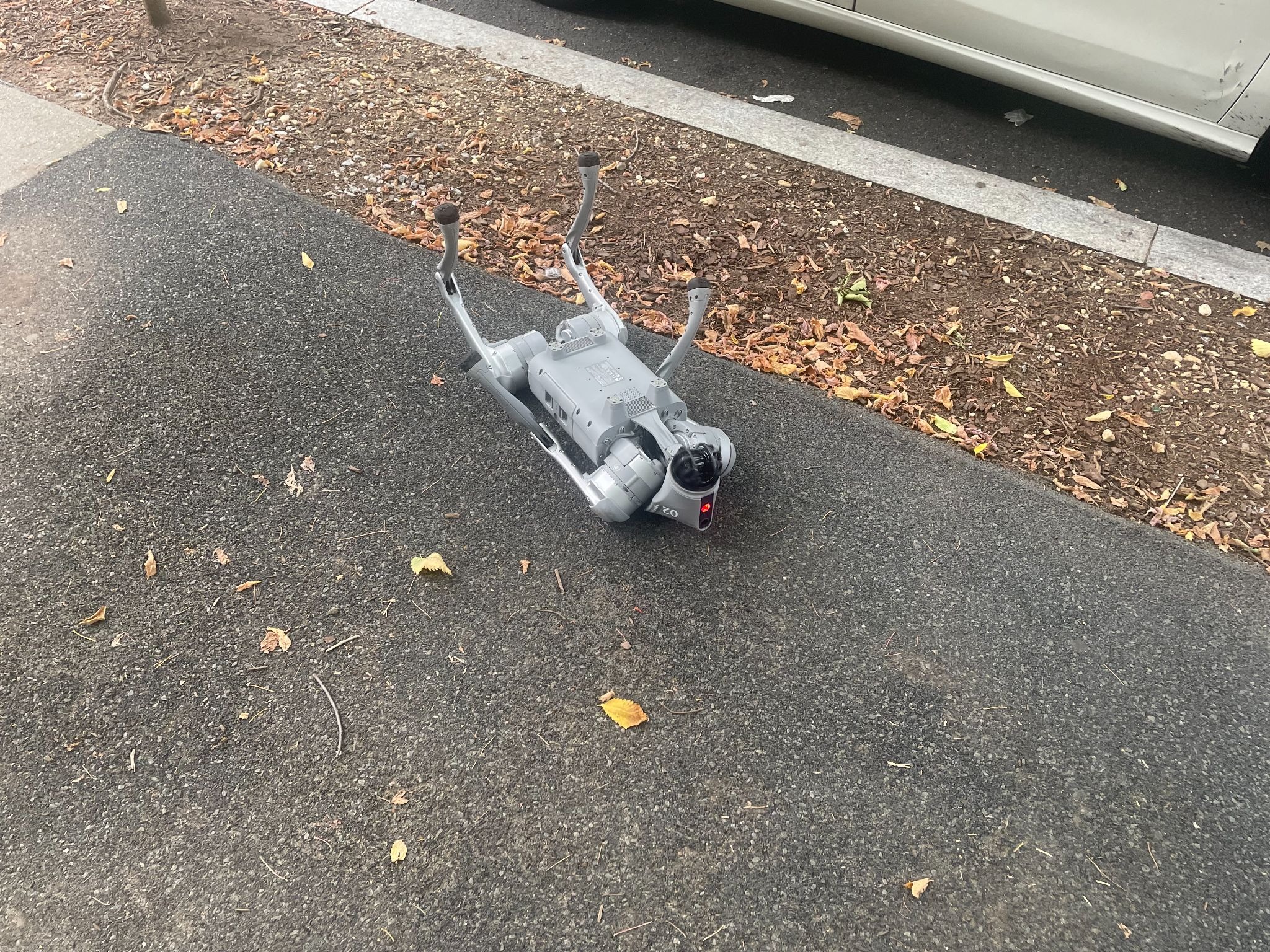
A decade ago only a handful of labs could build a quadruped at all. Professor Xuesu Xiao at George Mason now keeps four Unitrees at roughly $15,000 each.
“And it basically democratized the entire world of quadruped locomotion research.”
Spot costs 75 grand
Xiao's lab also has a Boston Dynamics Spot, long the industry benchmark, starting near $75,000. Unitree's cheapest Go2 Air undercuts it by more than 97 percent, though Spot is bigger and carries more.
Founded by a fan
Wang Xingxing built a crude quadruped called XDog for his master's thesis, inspired by Boston Dynamics papers. He founded Unitree in May 2016, weeks before Spot was unveiled and four years before it shipped.
“Marc Raibert from Boston Dynamics is my idol.”
A price ladder down
Laikago in 2017 and AlienGo in 2019 cost tens of thousands and targeted labs. The Go1 Air landed at $2,700 in 2021, then the Go2 Air at $1,600 in 2023.
Twelve identical motors
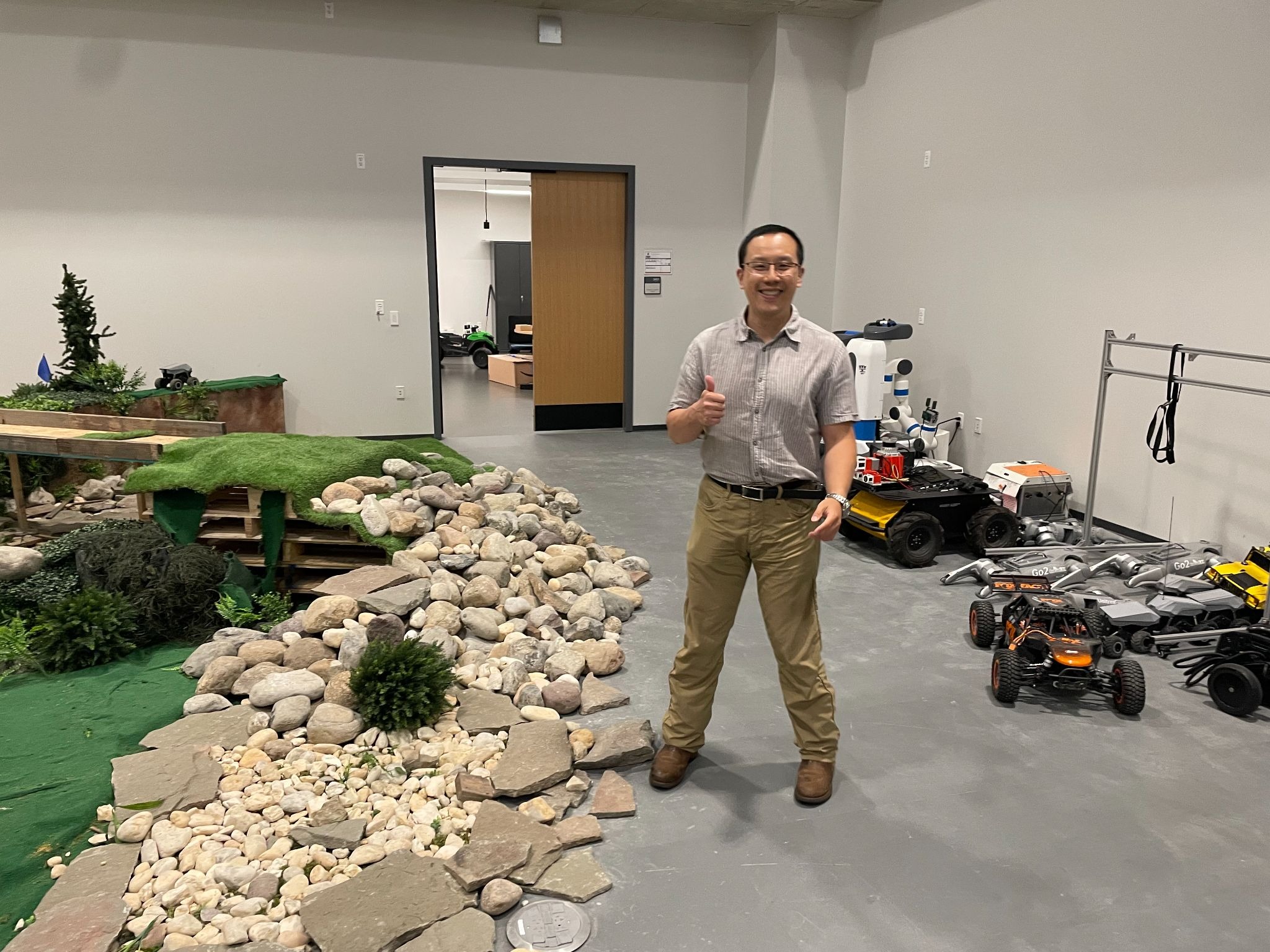
Three motors per leg give a wide range of motion, and every shoulder uses the same arrangement. Reusing one motor everywhere cuts part count, cost, and failure modes at once.
“The more you can reuse motors and reuse parts, the simpler your design gets”
Cheap parts, easy swaps
An outside motor expert says Unitree's in-house motors wear out faster than rivals'. Unitree compensates with field serviceability: a leg detaches so simply that a swap takes under a minute.
“They want these legs to be serviceable in the field”
Beijing helps too
Tax credits and bulk buying by public institutions gave Unitree room to scale manufacturing. The exact size of that support is unknowable because China blurs public and private, military and civilian.
Big motors, small gearbox
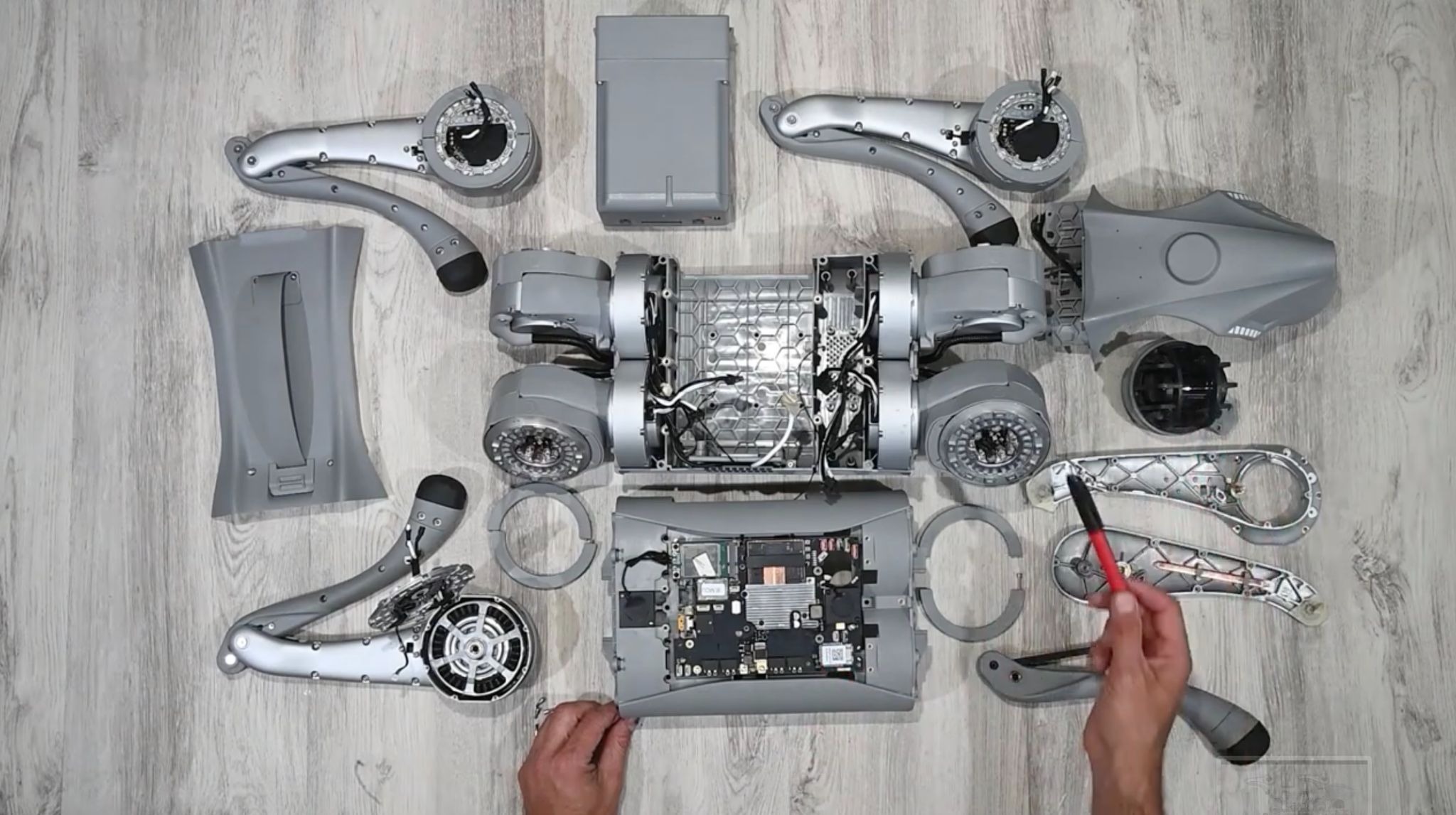
Reducers convert fast weak motor spin into slow strong joint movement, and high ratios get expensive. Spot uses 51:1 gearing; Unitree pairs oversized motors with a simple 6.33:1 box.
Software covers for hardware
Low gear ratios make limbs yield to resistance and easier to simulate and train. Modern control software corrects constantly anyway, so it absorbs imprecise hardware that industrial robots could never tolerate.
From dog to humanoid

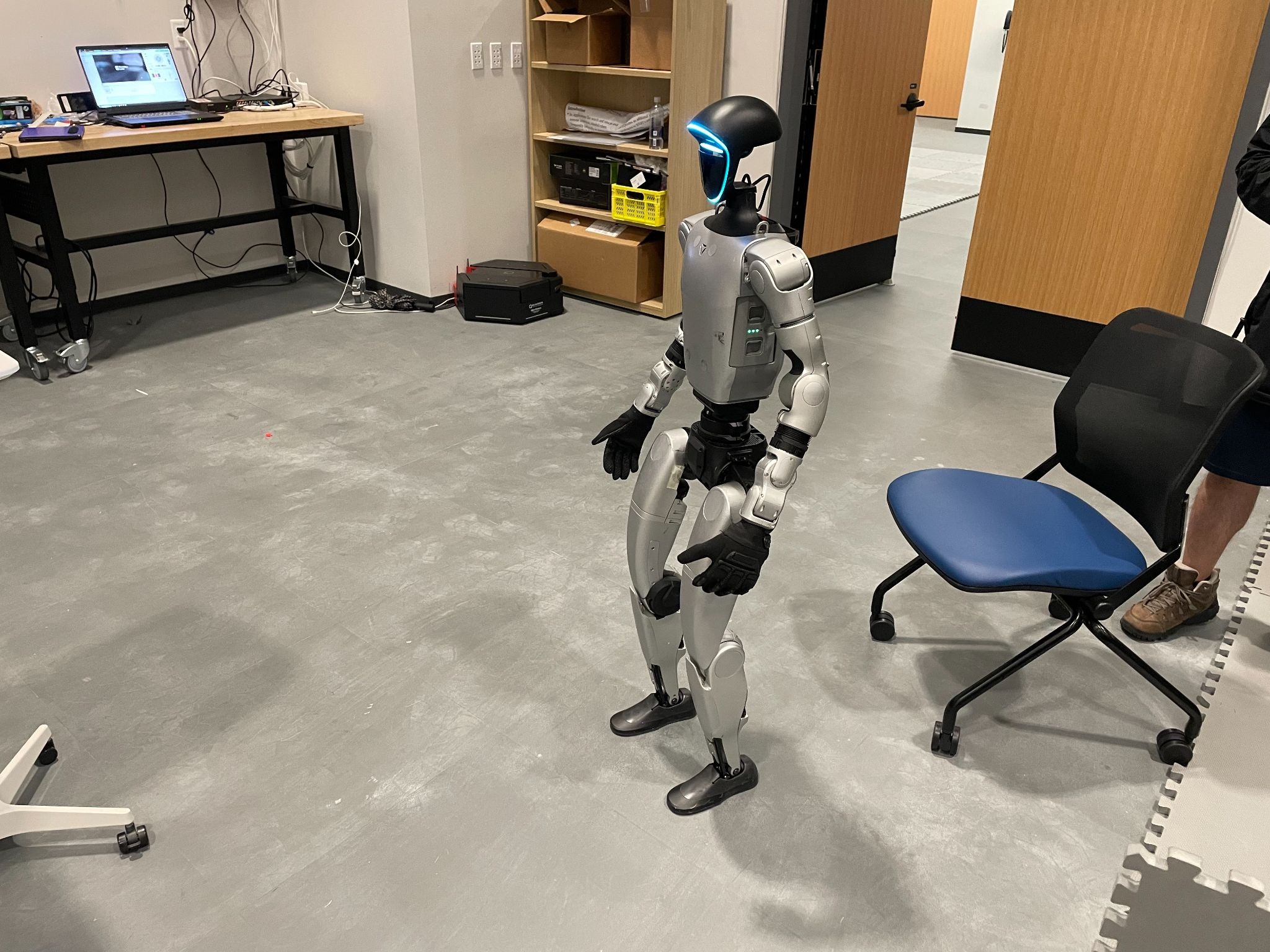
The H1 arrived in 2023, the cheaper G1 a year later at $13,500 consumer, about $50,000 for the research version. A G1 needs 23 motors against the quadruped's 12, with stronger legs for two-legged balance.
Humanoids are now the business
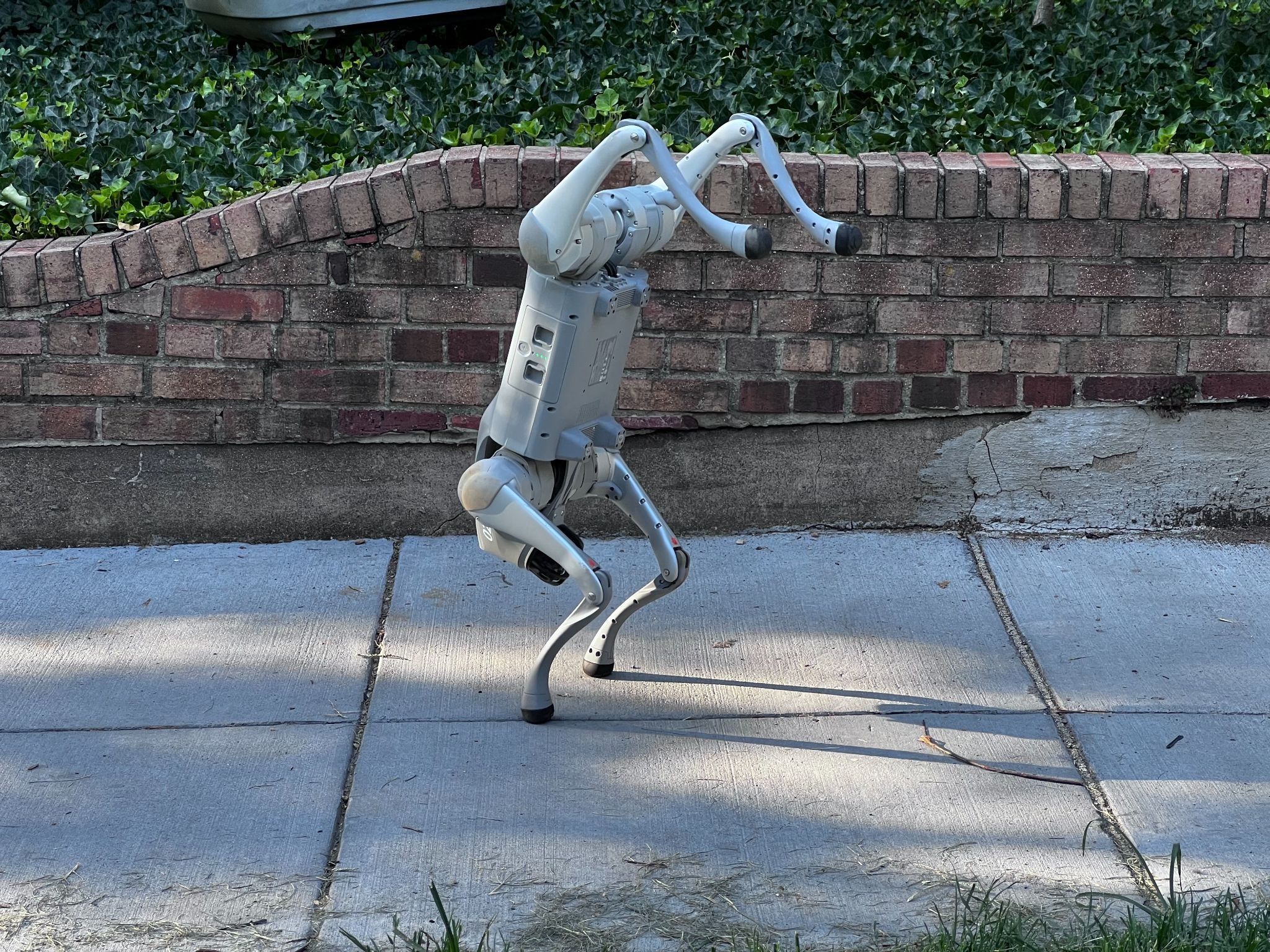
Quadruped revenue tripled from 2024 to 2025, reaching $104 million. Humanoids went up eightfold to $129 million, crossing half of total revenue.
“Humanoids accounted for 51 percent of Unitree's revenue in 2025.”
The DJI playbook
DJI's 2013 Phantom 1 had no camera, no gimbal, and ten minutes of flight, but it halved the price of building your own. Volume funded in-house parts, which cut costs, which drove more volume.
“We are witnessing the birth of another Chinese hardware giant”
A ban may backfire
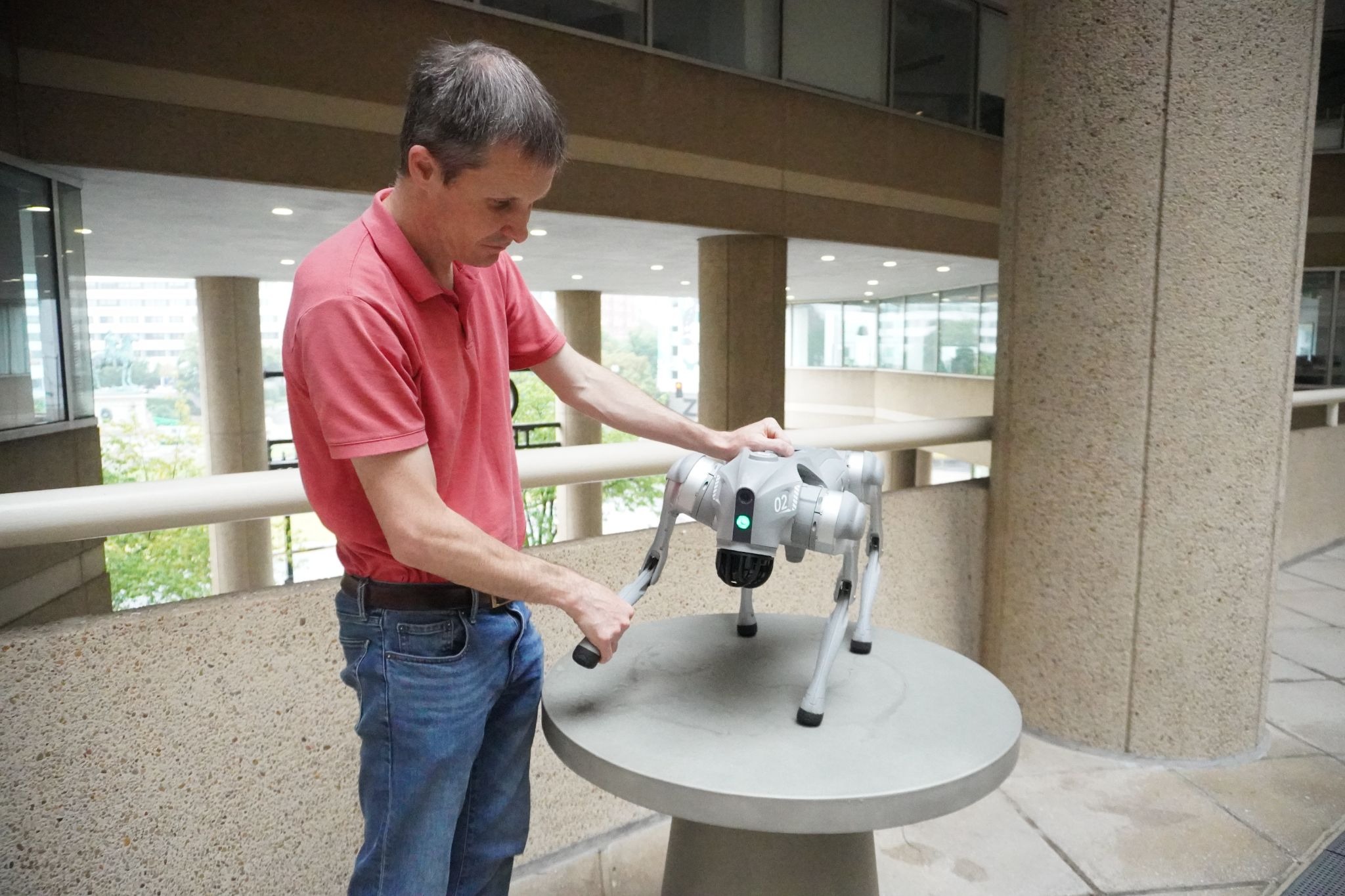
House members introduced a bill naming Unitree, and the FCC added rules on foreign robots in July. Chinese rivals like AgiBot are already outselling Unitree in humanoids, and locking them out could leave the US a robotics backwater.
“it could make the US a robotics backwater”
The essence
Unitree is not winning on polish, it is winning on price, and cheap hardware plus a manufacturing flywheel is how DJI took the drone market.





