From Ars Technica · · 3m
Japan launches Phobos sample return mission
Japan's five-year MMX mission lifts off to land on Mars's largest moon and bring back the first samples from the Martian moons.
In brief
Japan's five-year MMX mission lifts off to land on Mars's largest moon and bring back the first samples from the Martian moons. Japan launched a five hundred seventy eight million dollar robotic mission Monday to land on Phobos, Mars's largest moon, and return samples to Earth by twenty thirty-one. Originally reported…
Japan launches five-year Mars mission
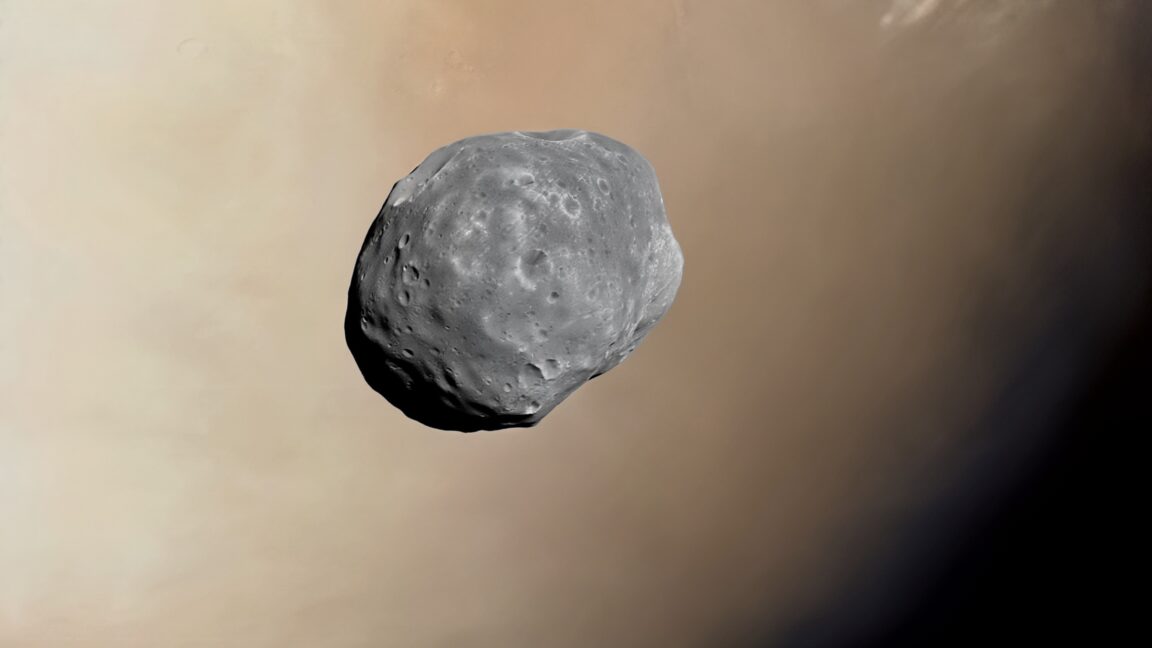
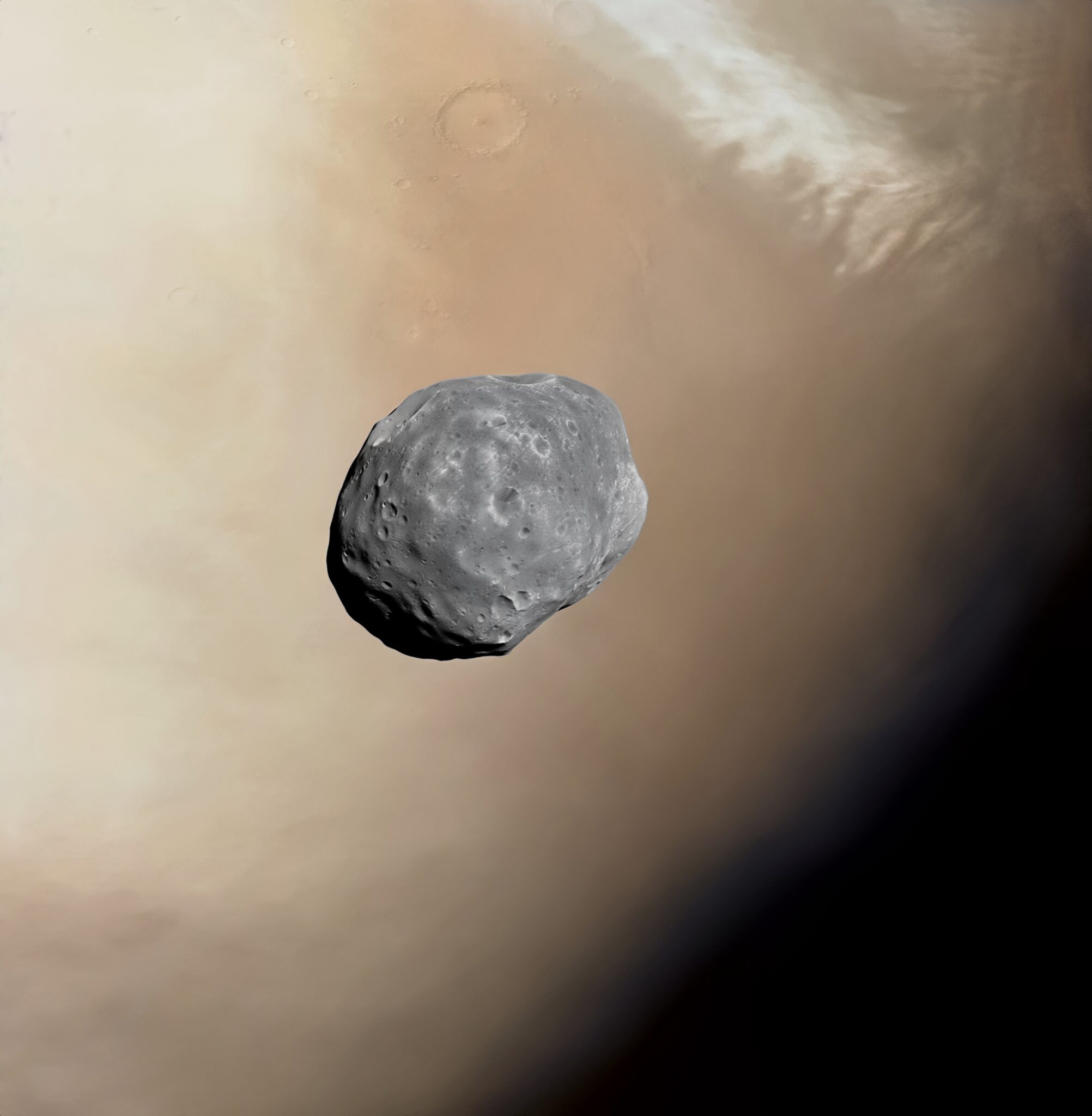
Japan launched a five hundred seventy eight million dollar robotic mission Monday to land on Phobos, Mars's largest moon, and return samples to Earth.
MMX lifts off from Tanegashima
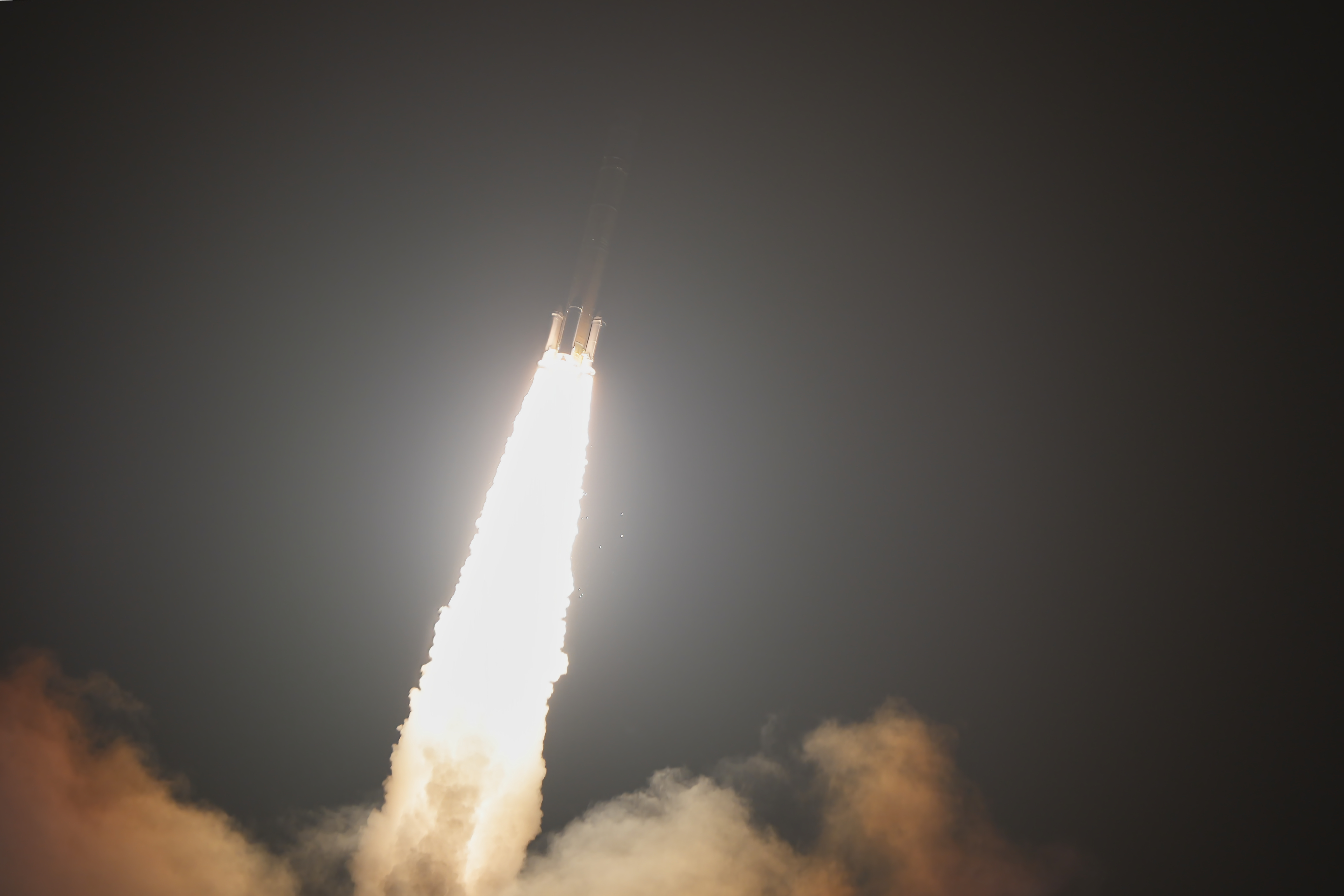
The Martian Moons eXploration spacecraft lifted off at three forty-one pm EDT Monday from Tanegashima Space Center in southern Japan aboard the H three rocket.
H3 rocket reaches escape velocity
The two hundred seven-foot-tall H three rocket accelerated the nearly nine thousand nine hundred-pound spacecraft to more than twenty-four thousand mph, fast enough to escape Earth's gravity.
Spacecraft separates and establishes contact
The MMX spacecraft separated from the H three rocket about seventy-one minutes after liftoff, unfurled its solar panels, and established contact with ground controllers in a stable condition.
“So far, so good.”
JAXA president declares launch success
Hiroshi Yamakawa, president of the Japan Aerospace Exploration Agency, declared the launch a success, saying a long journey of five years has just started.
“A long journey of five years has just started.”
Japan's sample return speciality
Japan led the Hayabusa and Hayabusa two missions, the world's first two spacecraft to bring back pristine specimens from asteroids. Scientists believe Phobos could be a captured asteroid.
International partners join the mission
Japan attracted contributions from NASA and space agencies in Europe. Yasuhiro Kawakatsu, the mission's project manager, said Japan's proven track record makes it the safer choice for sample returns.
Three years studying two Martian moons
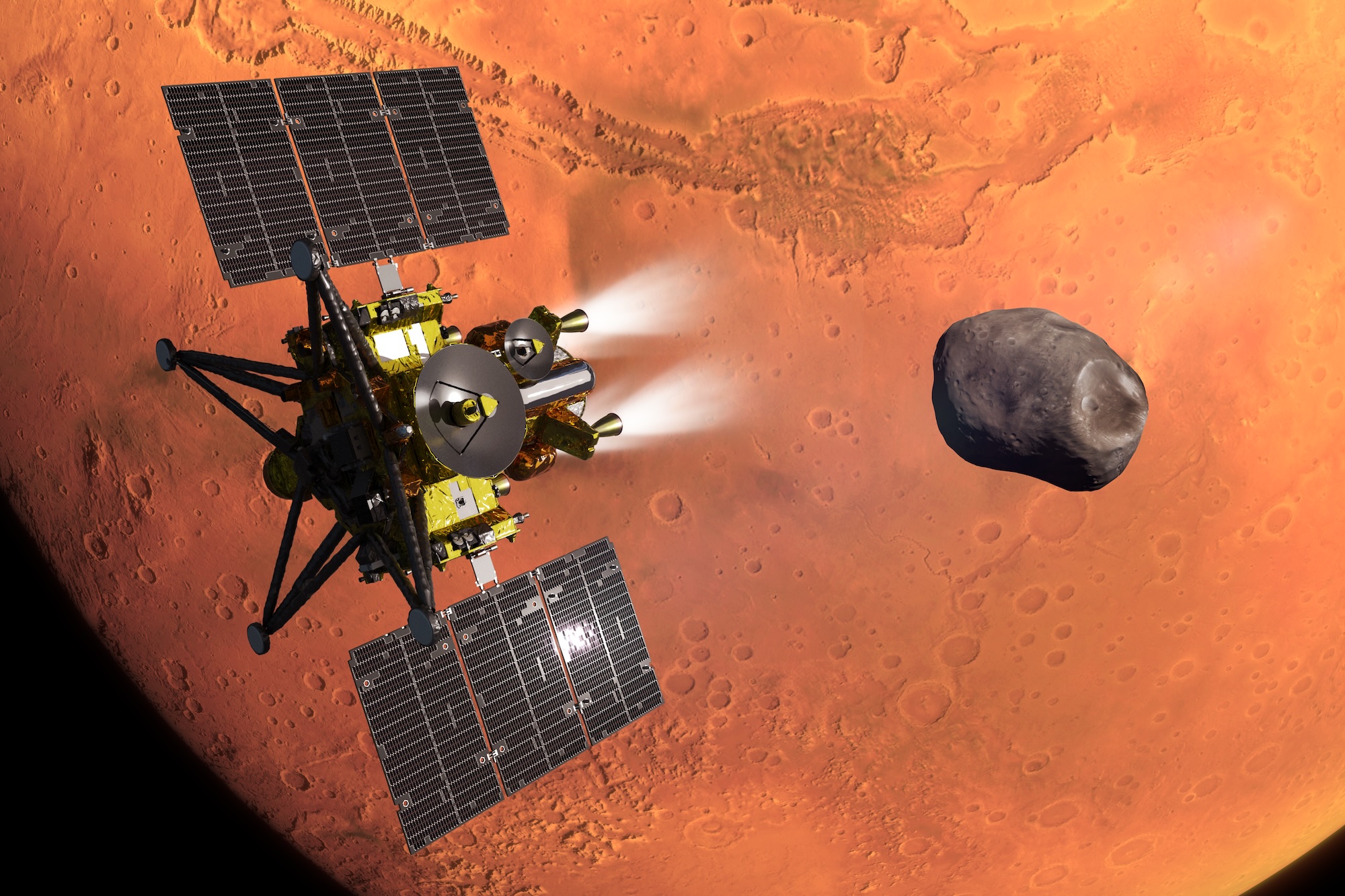
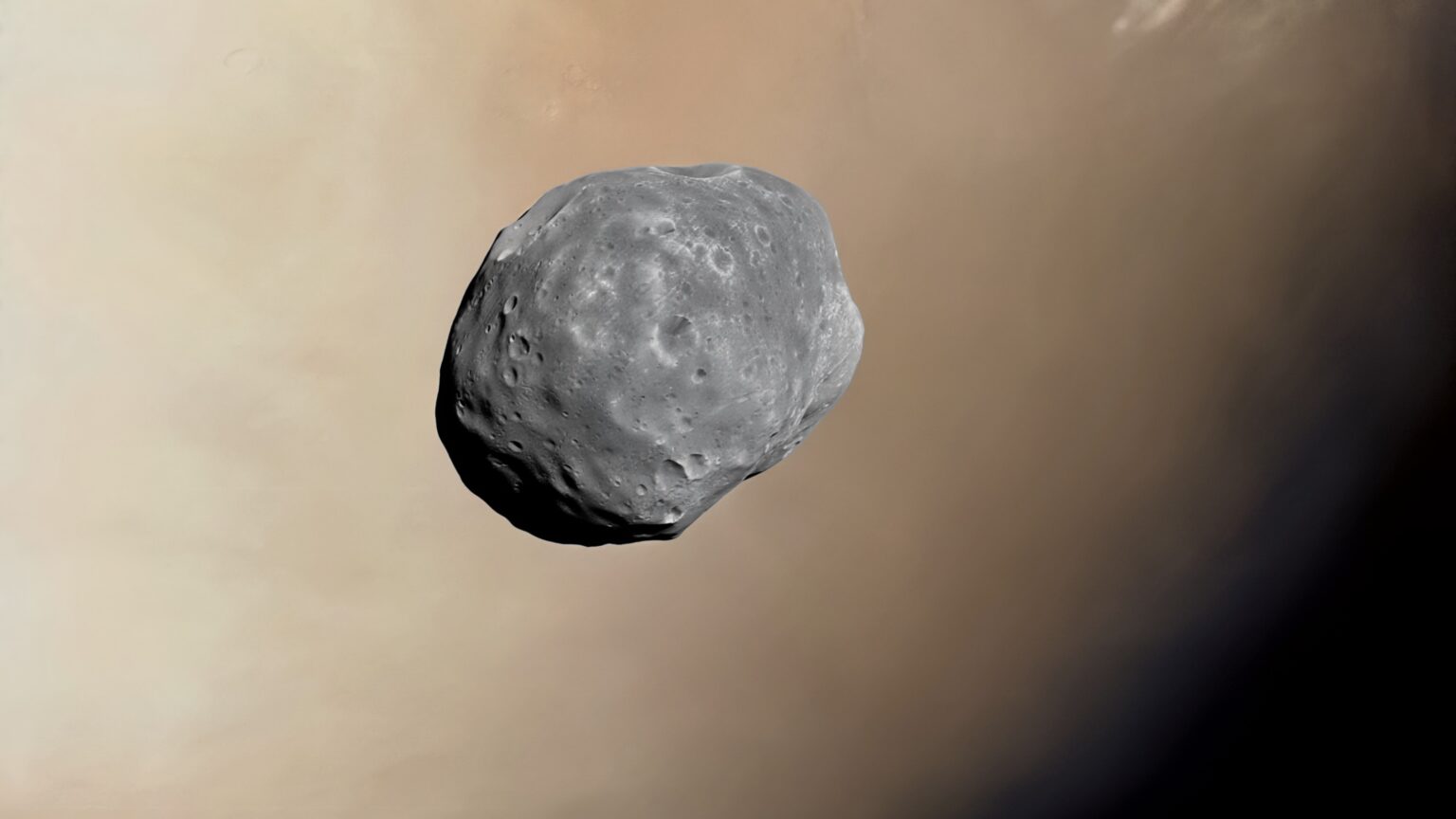
MMX will spend about three years in the vicinity of Mars after arriving next August, conducting encounters with Phobos and Deimos. Phobos has an average diameter of fourteen miles.
Quasi-satellite orbit around Phobos
Phobos's gravity is too weak for stable orbit, so MMX will fly in a quasi-satellite orbit, remaining bound to Mars while maneuvering around Phobos for reconnaissance.
Idefix rover lands on Phobos
In late twenty twenty-eight or early twenty twenty-nine, MMX will release Idefix, a four-wheeled rover from French and German space agencies. The shoebox-sized robot will drive around Phobos for up to one hundred days.
Spacecraft lands and collects samples
In twenty twenty-nine, MMX will attempt up to two landings on Phobos. A coring drill and NASA-provided pneumatic sampler will capture at least ten grams of material from the moon's surface.
Sample return to South Australia
After climbing back into space, MMX will fire its engines in twenty thirty to head for Earth, guiding a sample return capsule toward a remote landing zone in South Australia in twenty thirty-one.
Solving the Martian moons mystery
Scientists will analyze samples in Japanese laboratories. US researchers get fifteen percent of specimens. Tom Statler, NASA's lead scientist for solar system small bodies, said the mission will determine whether Phobos is a captured asteroid…
“By going to the Martian moons, studying them up close, and bringing samples back to Earth, we'll be able to determine whether Phobos material is more consistent with an asteroid composition or with debris created by a collision involving Mars.”
The bottom line
Japan launched a five hundred seventy eight million dollar robotic mission Monday to land on Phobos, Mars's largest moon, and return samples to Earth by twenty thirty-one.