From Ars Technica · · 4m
Las Vegas F1 race delivers spectacle at last
Cold track, low grip and powerful slipstreaming made the Las Vegas Grand Prix look like oval racing, with Max Verstappen winning after repeated battles with George Russell.
In brief
Cold track, low grip and powerful slipstreaming made the Las Vegas Grand Prix look like oval racing, with Max Verstappen winning after repeated battles with George Russell. The Las Vegas Grand Prix delivered close racing and multiple lead changes thanks to cold conditions, low grip and powerful slipstreaming, with Max…
Vegas delivers spectacle
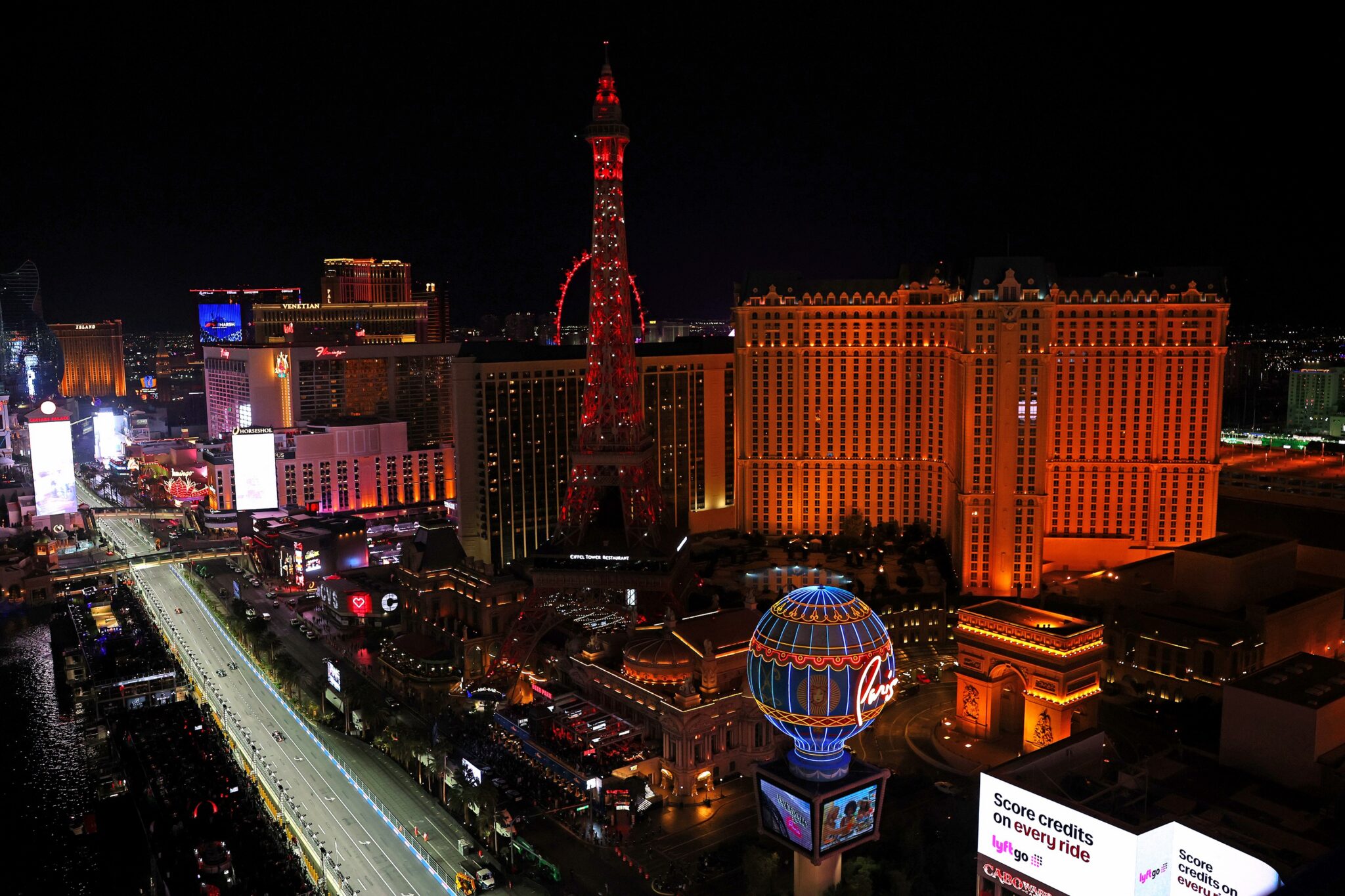
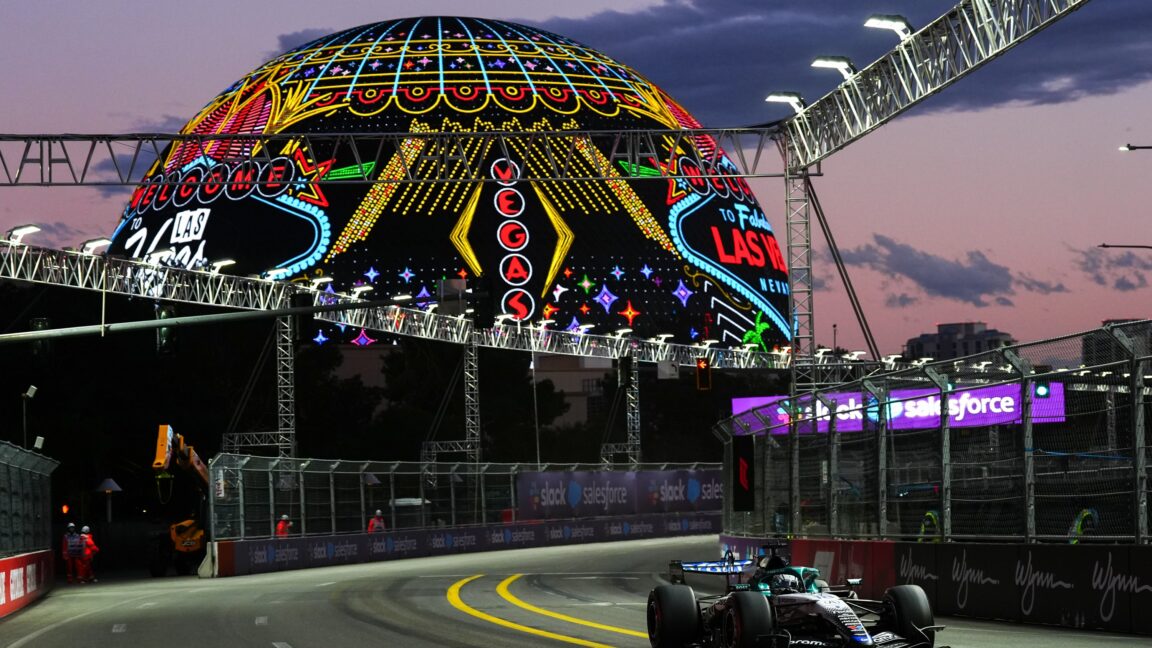
The Las Vegas Grand Prix finally lived up to its promise this past weekend, delivering racing closer to IndyCar oval racing than anything Formula 1 fans have seen in decades.
Cold and low grip
The track temperature on Saturday night in Nevada was fifty-nine degrees Fahrenheit, much colder than anywhere else the sport visits all year. Combined with concrete streets, this meant low grip but virtually no tire wear.
The slipstream factor
The new aerodynamic regulations created a far more powerful slipstream than in years past.Mercedes' Kimi Antonelli took pole position by being the last car on track in qualifying, benefiting as cars ahead cleared the air.
Antonelli's pole vanishes
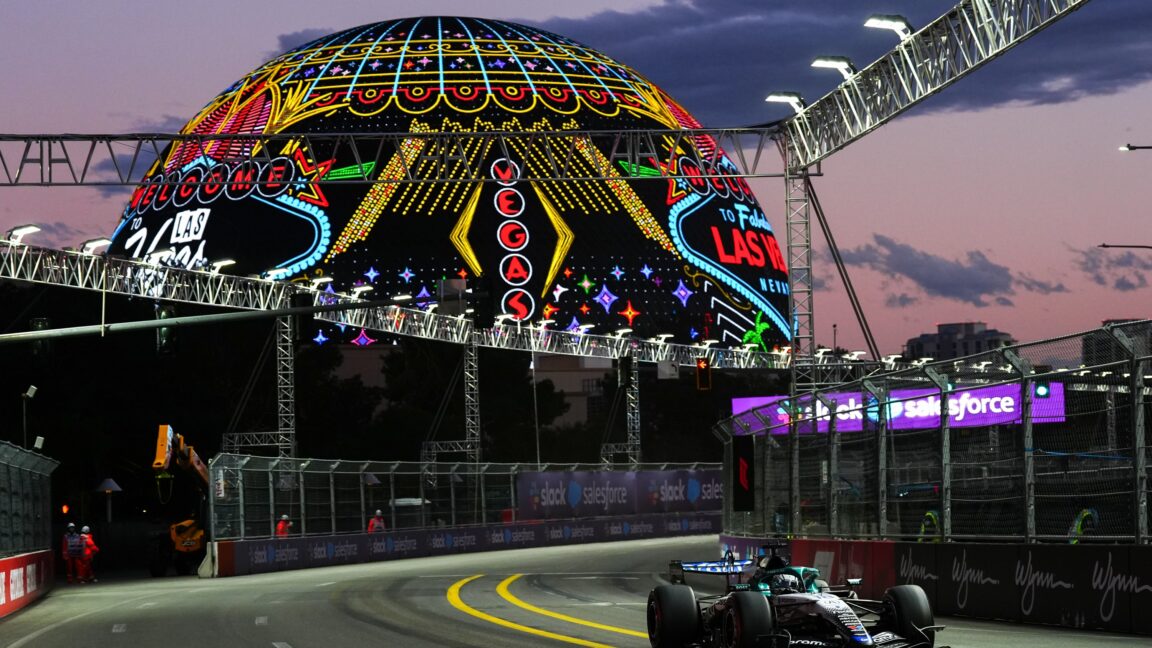
Antonelli's pole position was quickly forgotten when he started sixth due to a grid penalty for using an engine component outside his allowance. This put Max Verstappen on pole with George Russell alongside.
Russell and Verstappen clash
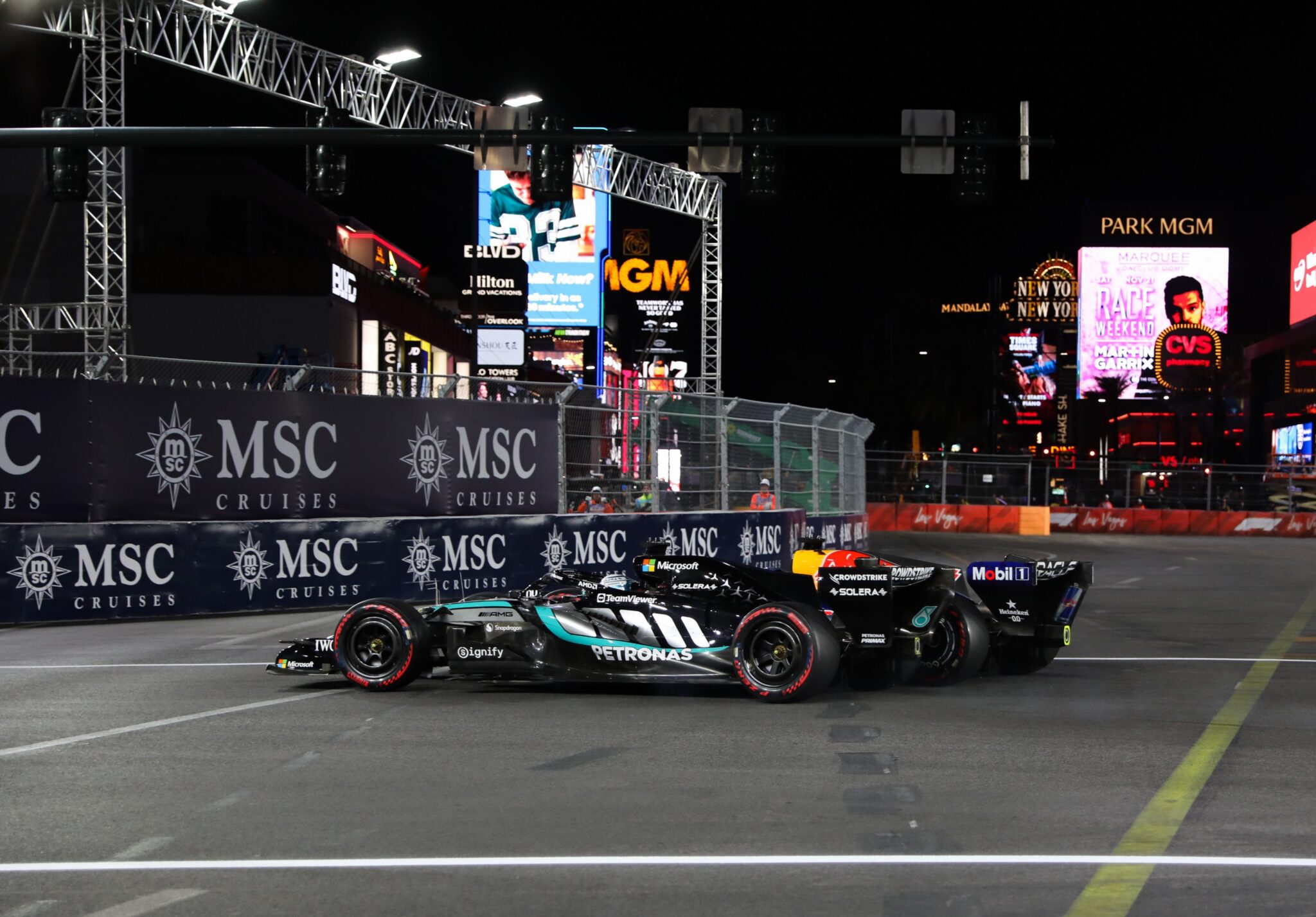
Russell and Verstappen collided in Free Practice 3, repeating a pattern from Mexico. Russell said after Friday qualifying: He does this week in, week out with many drivers, and everybody accepts it, and I'm not…
“He does this week in, week out with many drivers, and everybody accepts it, and I'm not just going to accept somebody to screw me over like this.”
Lead changes dominate
Within a lap, Russell passed Verstappen for the lead on a straight, before Red Bull reclaimed the position at turn seventeen.
Hadjar's wing explodes
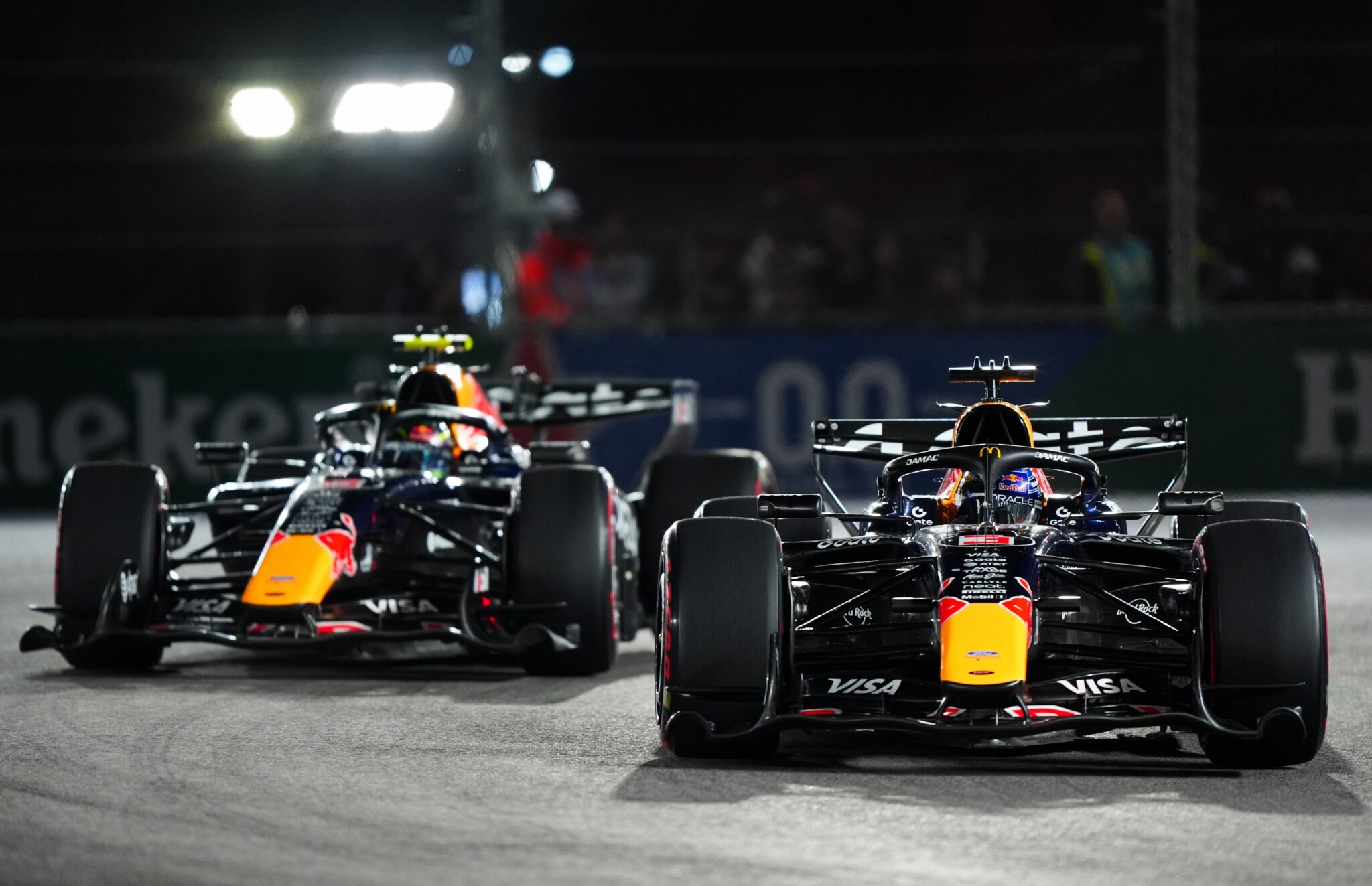
Red Bull's Isack Hadjar looked more competitive than at any other time this year. His day was ruined when his front wing exploded on lap twenty-five, dropping him from third to dead last.
Five cars in two seconds
Verstappen never broke free of the chasing pack, with five or six cars covered by as little as two point five seconds for much of the time.
Mercedes stumbles twice
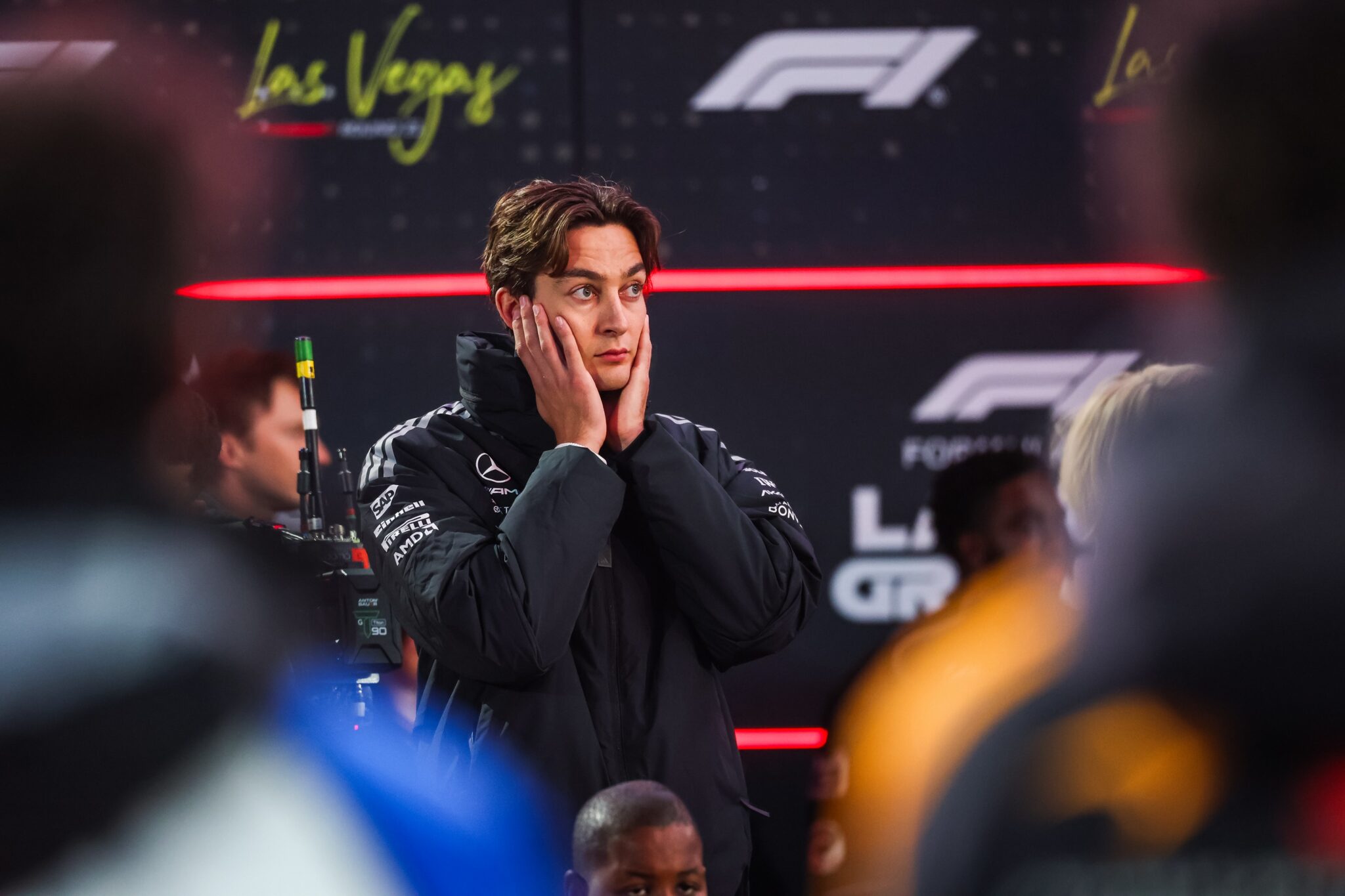
George Russell crashed into a barrier on lap forty-seven, probably after running over a piece of Hadjar's broken wing. Antonelli accidentally drained his battery entirely instead of charging it for a last-lap pass.
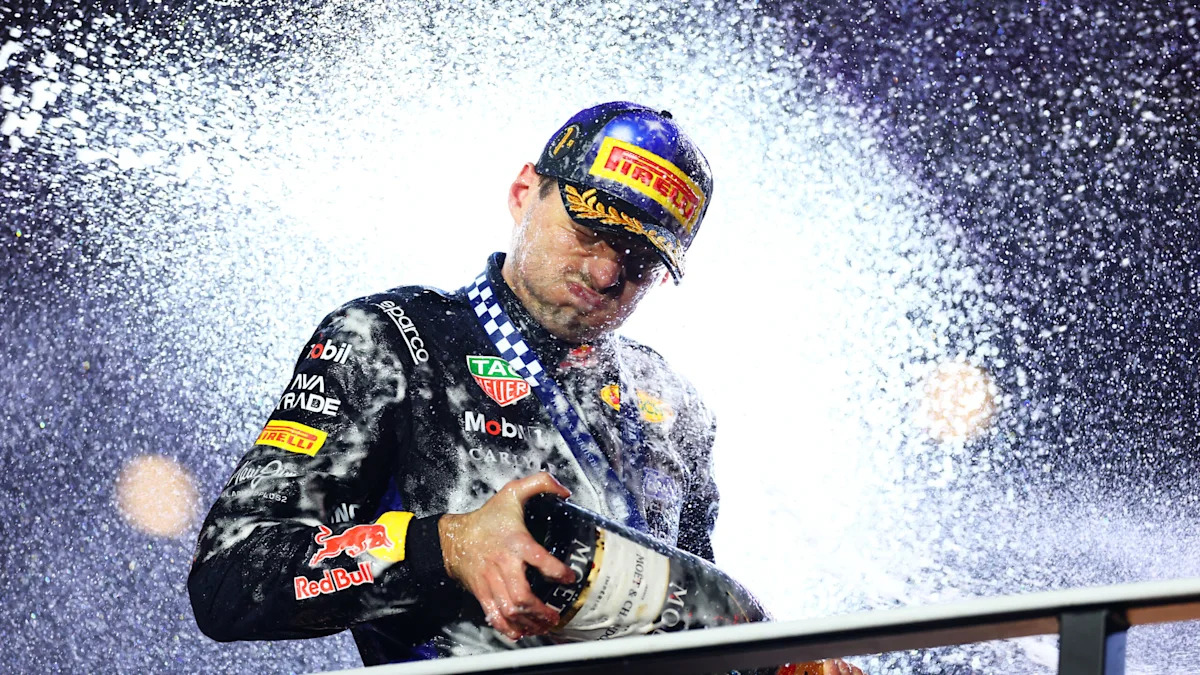
Verstappen's seventy-fifth win
Verstappen claimed his seventy-fifth win, one he said was more like Mario Kart than any of the previous seventy-four.
Ferrari's qualifying disaster
Ferrari's Friday was called a disaster when the two red cars couldn't make it into the third and final qualifying session. Had they worked together to tow each other, this might have been possible.
Hamilton and Leclerc collide
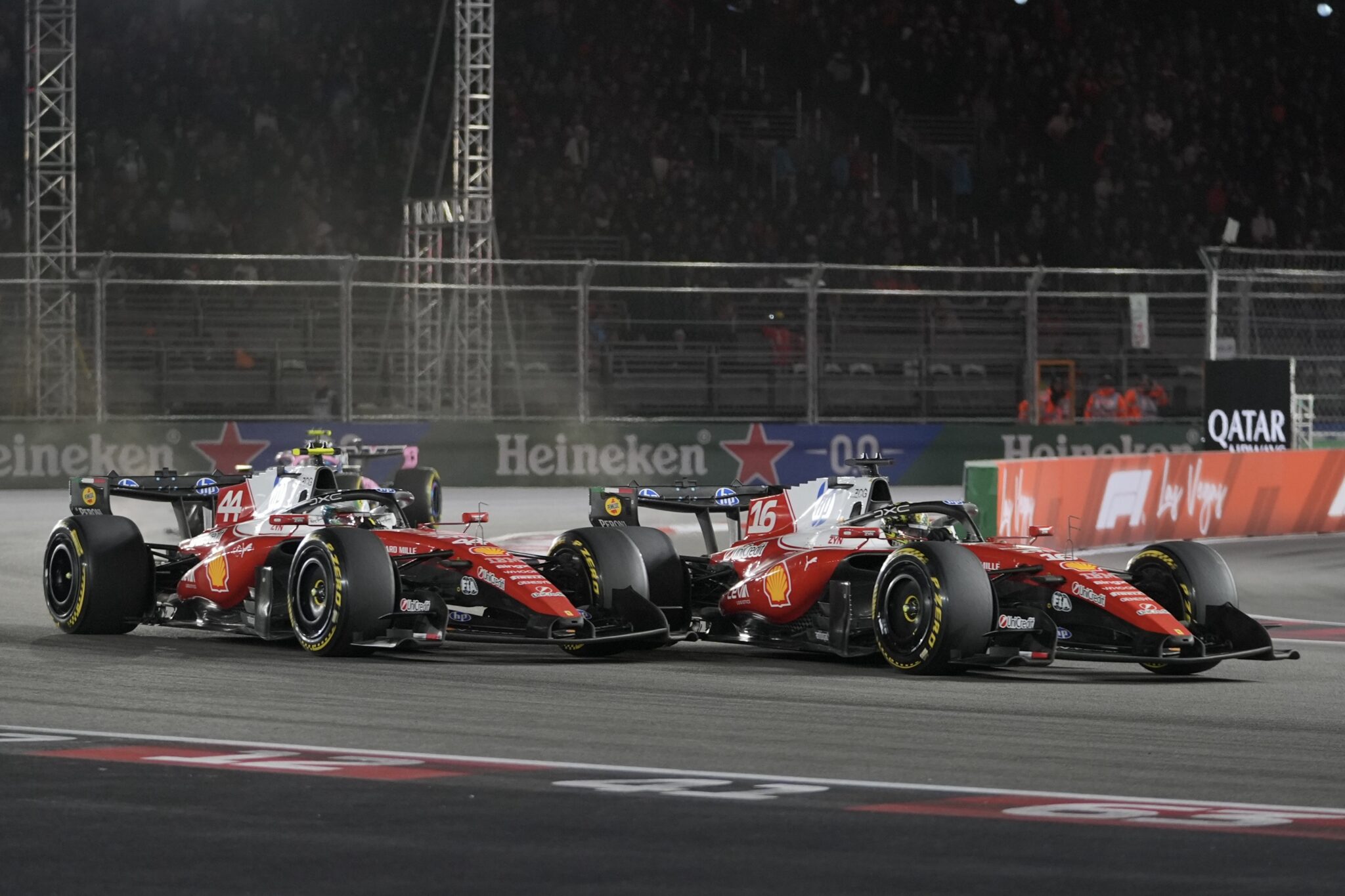
Lewis Hamilton earned a ten-second penalty when he went off track to avoid Lando Norris and Charles Leclerc.
Leclerc penalized again
The race stewards handed Leclerc a ten-second penalty for the collision with Hamilton. Hamilton finished seventh, Leclerc tenth. Leclerc misjudged the pass like he did in Monza and Mexico.
Tire strategy needs rethink
Formula 1 should learn from this race and ask Pirelli for different tires. Pirelli mandates high minimum pressures out of fear of tire failures, and tires that overheat when following another car cause the trailing…
The short version
The Las Vegas Grand Prix delivered close racing and multiple lead changes thanks to cold conditions, low grip and powerful slipstreaming, with Max Verstappen winning his seventy-fifth race.
Read the TL;DR — this story on one card.