From Ars Technica · · 2m
Learning a language keeps your aging brain sharp
Language learning engages multiple mental processes at once, building cognitive resilience that helps protect against age-related decline.
In brief
Language learning engages multiple mental processes at once, building cognitive resilience that helps protect against age-related decline. Learning a new language at any age strengthens your brain's structure and function, potentially delaying dementia symptoms and maintaining cognitive abilities as you grow older…
Language learning is complex brain work
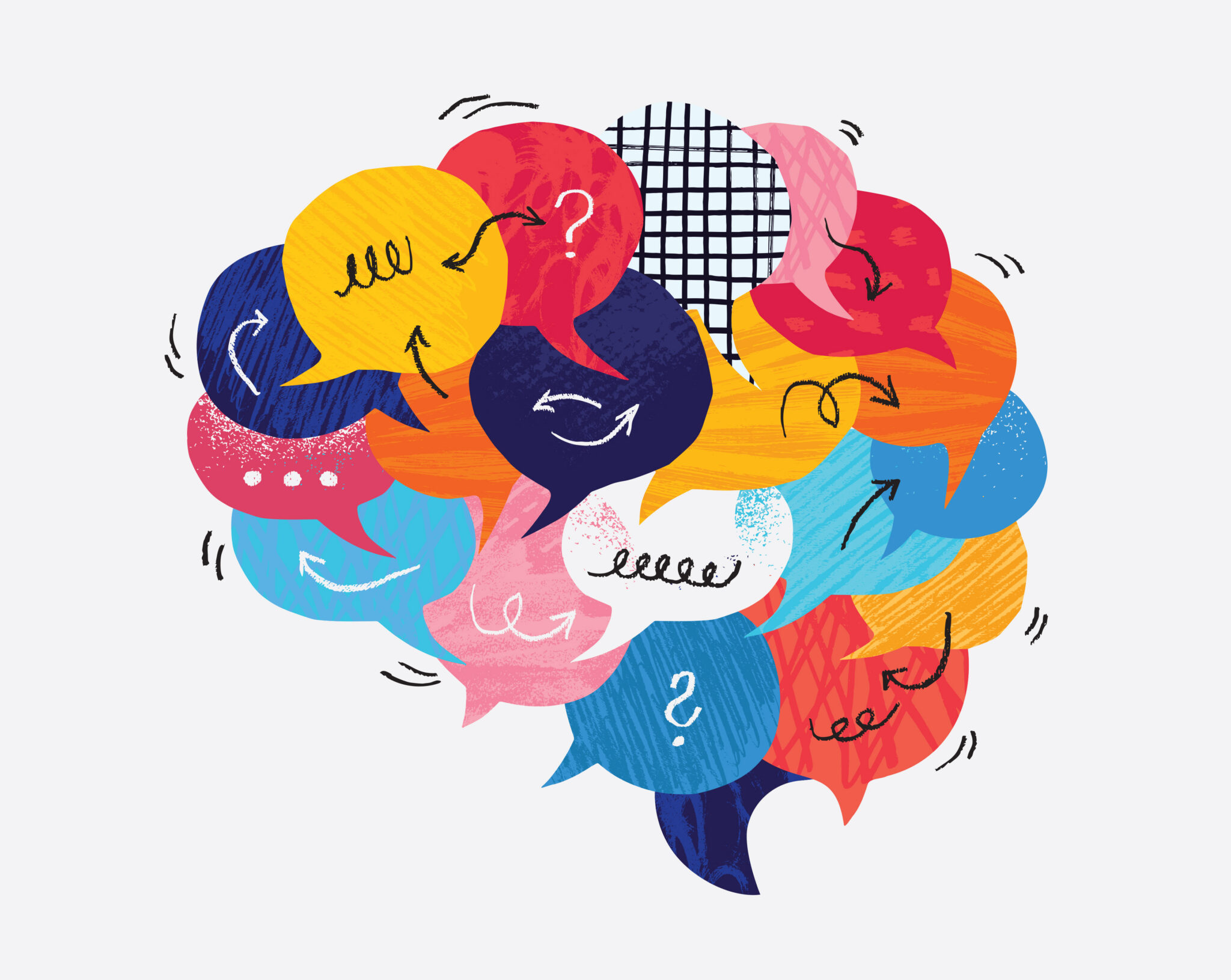
Learning a language requires remembering words, distinguishing sounds, recognizing patterns, working out grammar, and retrieving expressions while listening and preparing responses.
Your brain can change throughout life
Neuroplasticity is your brain's ability to adapt in response to experience. Learning new sounds, vocabulary, and grammar patterns forces your brain to form and strengthen connections.
Bilingual brains show structural differences
Studies show bilingual people have greater gray matter density and stronger white matter integrity compared to monolingual speakers, suggesting language experience reshapes brain structure.
Cognitive reserve protects aging brains
Managing two languages demands ongoing attention and cognitive control, which strengthens cognitive reserve, the ability to maintain function despite age-related brain changes.
Bilingualism may delay dementia symptoms
Some studies find bilingual people develop dementia symptoms later than monolingual speakers, suggesting language learning provides resilience against brain aging rather than prevention.
Adults can learn languages at any age
While children excel at pronunciation and grammar, adults bring larger vocabularies and better learning strategies. Research shows older adults gain cognitive benefits from language learning.
Social connection comes with learning
Language learning deepens cultural understanding, improves communication, and connects you with people from different backgrounds, creating opportunities for conversation and friendship.
Sustained effort matters more than hours
There is no magic number of hours needed. What matters is sustained engagement in the challenging activity of learning itself, whether through intensive classes or daily app sessions.
Build resilience, not a cure
Language learning is not a miracle cure for aging or dementia, but an unusually rich mental activity that supports cognitive resilience and your ability to keep learning and adapting.
The key point
Learning a new language at any age strengthens your brain's structure and function, potentially delaying dementia symptoms and maintaining cognitive abilities as you grow older.





