From Ars Technica · · 3m
Light-controlled neurons win physiology Nobel
Three scientists won the 2026 Nobel Prize for developing optogenetics, a technique using light to control brain cells and revolutionizing neuroscience research.
In brief
Three scientists won the 2026 Nobel Prize for developing optogenetics, a technique using light to control brain cells and revolutionizing neuroscience research. Karl Deisseroth, Peter Hegemann and Georg Nagel won the 2026 Nobel Prize in Physiology or Medicine for developing optogenetics, which uses light to activate…
The problem with studying brains
Scientists could identify genes active in different neurons by studying brain development, but deleting neurons to test their function has limits. The brain adapts to cell loss, and early deletion alters development of connected neurons.
A better way to test neurons
It would be far more informative to activate and shut down neurons in an otherwise intact brain, allowing researchers to see how behavior changes without permanent damage to the brain's structure.
Three scientists win the Nobel
The 2026 Nobel Prize in Physiology or Medicine goes to Karl Deisseroth, Peter Hegemann and Georg Nagel for developing optogenetics, using light to alter the behavior of nerve cells marked by individual genes.
How neurons send signals
Nerve impulses are generated by ion channels in cell membranes that allow charged atoms to cross. The nervous system uses ion channels active only under specific circumstances, keeping the brain from electrical noise.
Early attempts failed
Scientists tried several methods to force neurons to send impulses on command, but most required inserting multiple genes, supplying specific chemicals, or using lasers intense enough to physically damage cells.
Hegemann finds the answer
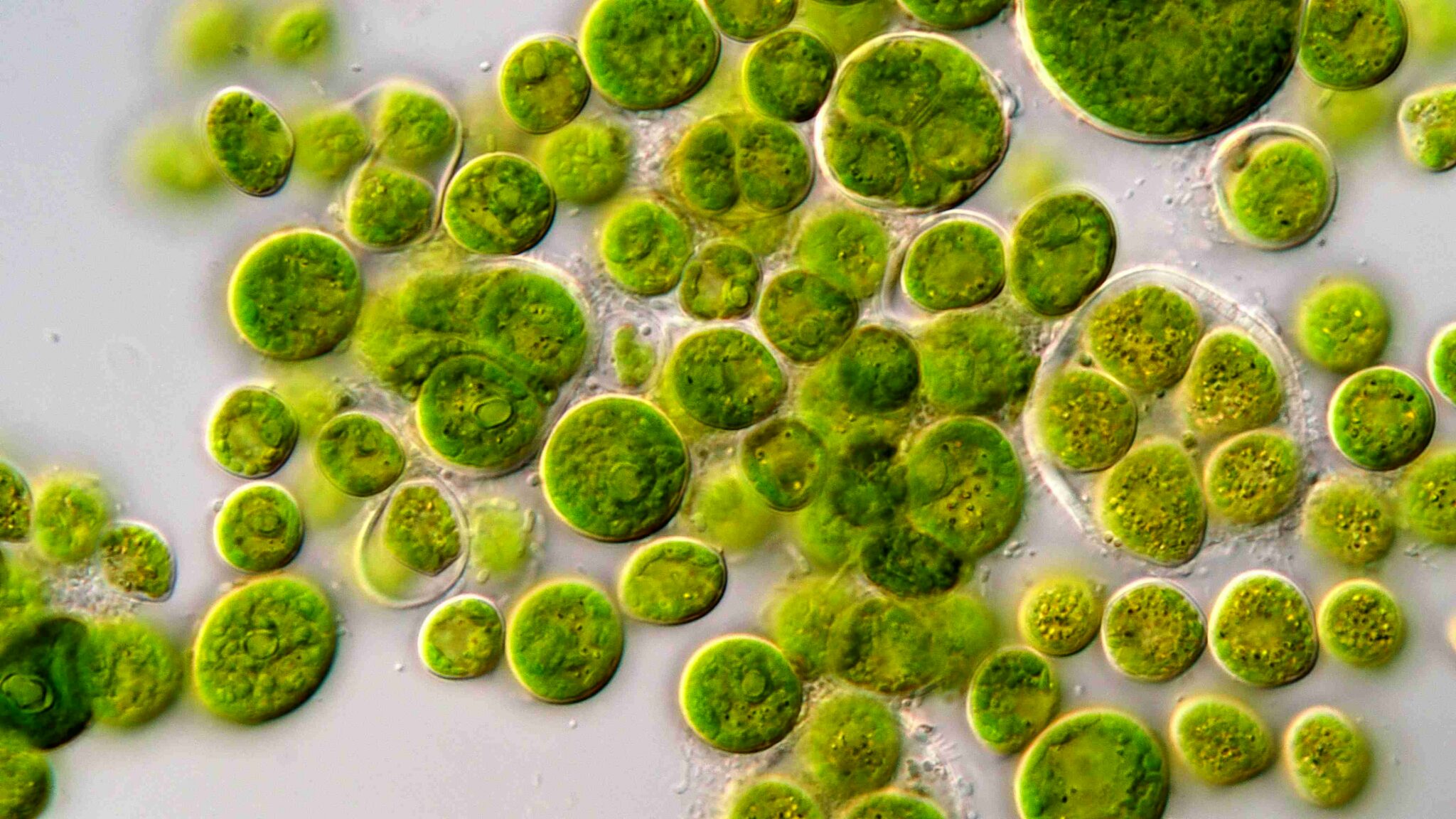
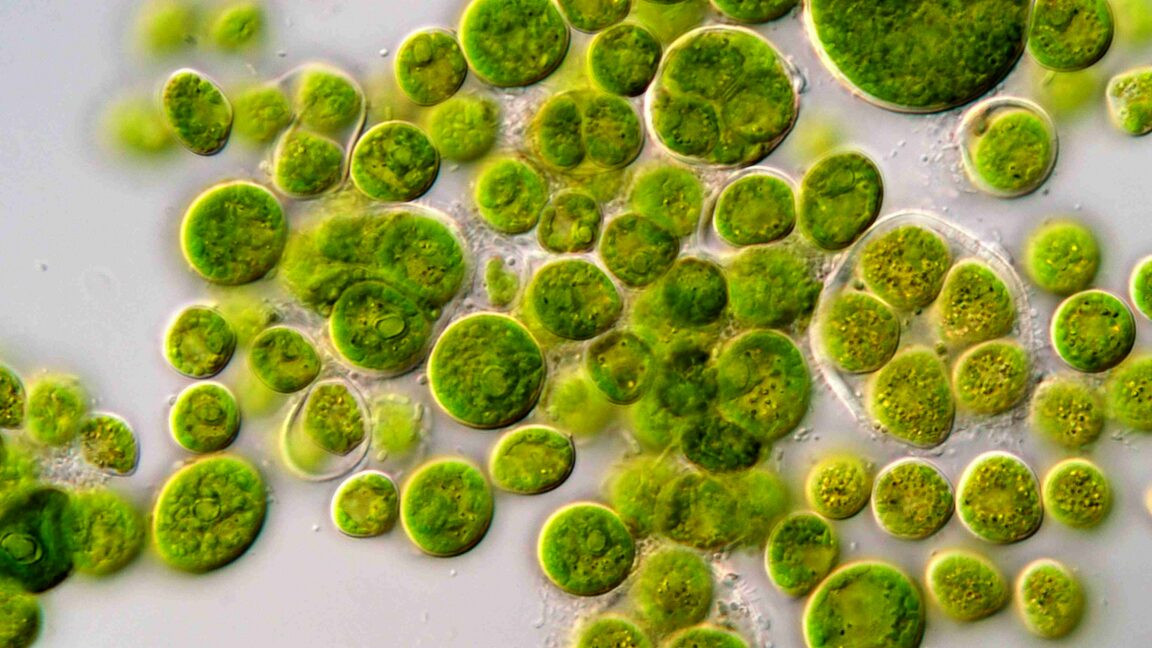
Peter Hegemann at Berlin's Humboldt University discovered that a single-celled algae called Chlamydomonas responds to light by opening ion channels. He identified genes responsible for this light sensing using RNA interference.
Channelrhodopsins discovered
Hegemann collaborated with Georg Nagel at the University of Würzburg to study the ion channels. They found two genes encoding proteins sensitive to different light wavelengths, using a chemical relative of Vitamin A to sense light.
Testing in living organisms
Nagel showed that channelrhodopsin genes work in developing frog embryos and cultured human cells. When active in neurons of the worm C. elegans, exposing worms to light caused them to alter their behavior.
Deisseroth makes it practical
Karl Deisseroth and his Stanford team showed channelrhodopsins work in neurons and trigger nerve impulses. They found more channelrhodopsin variants sensitive to different wavelengths and developed compact light sources and flexible fiber optics.
Optogenetics transforms neuroscience
Optogenetics revolutionized understanding what different nerve cell populations do. The Nobel Committee cites its use in understanding memory storage, sleep signals, and maternal care behaviors in mice.
Medical applications emerge
Channelrhodopsins have been used to restore limited light sensing in a patient with blindness caused by rod and cone cell death, demonstrating the technology's potential for treating human disease.
Fundamental research pays off
The Nobel recognizes how seemingly trivial research into pond scum movement has revolutionized neuroscience. The award reminds us that fundamental science questions often lead to unexpected practical applications and human health benefits.
“How does this bit of pond scum move to ensure it gets enough light for photosynthesis?”
The bottom line
Karl Deisseroth, Peter Hegemann and Georg Nagel won the 2026 Nobel Prize in Physiology or Medicine for developing optogenetics, which uses light to activate or silence specific neurons and has transformed neuroscience research.





