From Ars Technica · · 3m
Mac Minis build a Cray-1 supercomputer for a Spanish museum
A museum in Spain built a full-scale replica of the 1976 Cray-1 supercomputer using 30 old Mac Minis networked together, achieving more power than the original with consumer hardware.
In brief
A museum in Spain built a full-scale replica of the 1976 Cray-1 supercomputer using 30 old Mac Minis networked together, achieving more power than the original with consumer hardware. The Museo de Historia de la Computación in Spain unveiled a one to one scale replica of the Cray-1 supercomputer using thirty two…
Spanish museum builds Cray replica
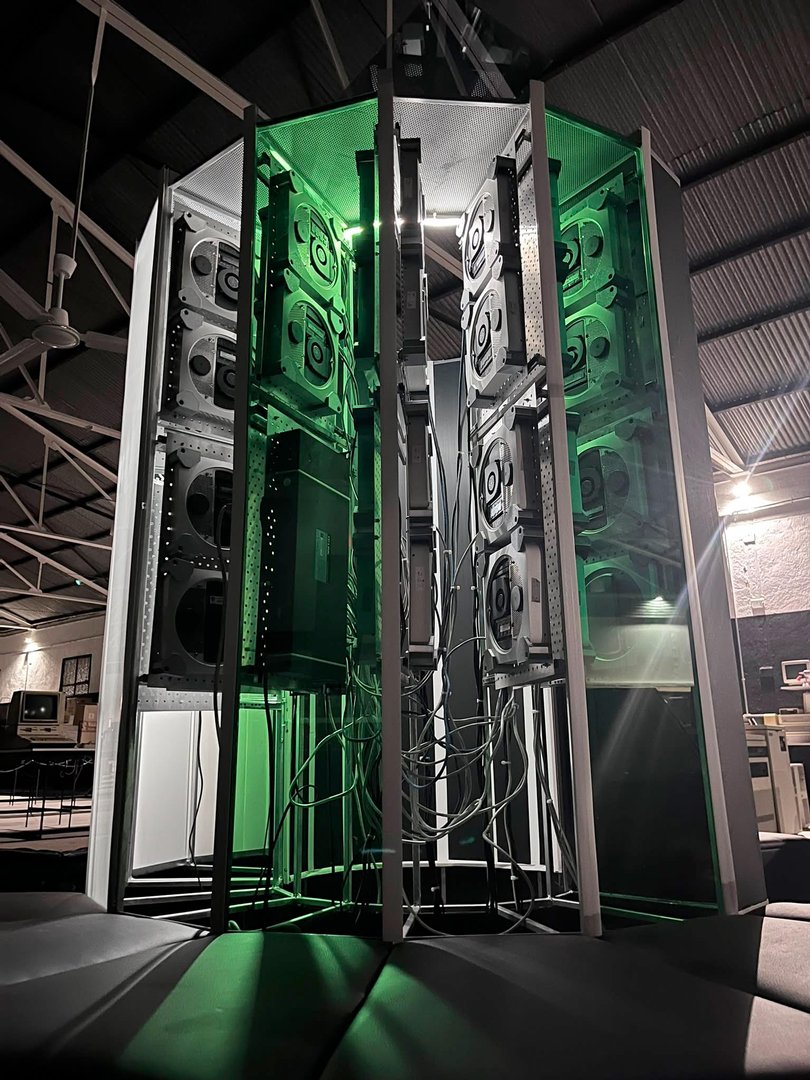
The Museo de Historia de la Computación in Spain unveiled a one to one scale visual replica of the famous Cray-1 supercomputer from nineteen seventy-six using thirty two thousand twelve era Mac Minis.
Eighteen months of development
The creative team developed the project over eighteen months as a fifty year anniversary tribute to the Cray-1 and Apple's founding, powering it with consumer hardware instead of expensive cutting edge technology.
Old Macs deliver serious power
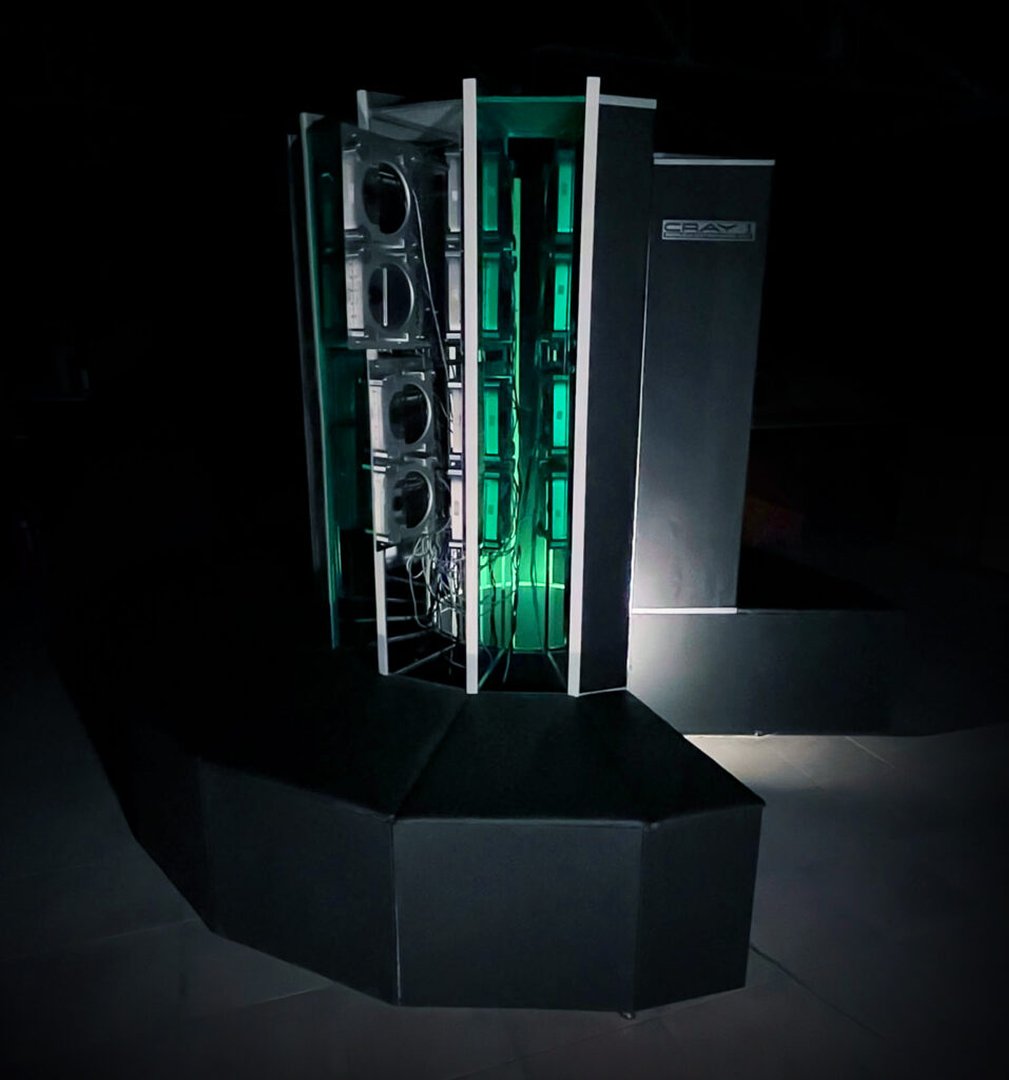
When networked together, the thirty Mac Minis orchestrate sixty four active processing cores into one point three teraflops of performance in their most recent tests, vastly more capable than the original Cray-1.
The hardware breakdown
Five Mac Minis are quad core i seven processors and the remaining twenty five are dual core i five models.
Different architecture, same purpose
The original Cray-1 used vector processing, applying a single instruction to multiple data elements simultaneously. The replica distributes work across independent processors in a parallel cluster instead.
macOS Mojave powers the cluster
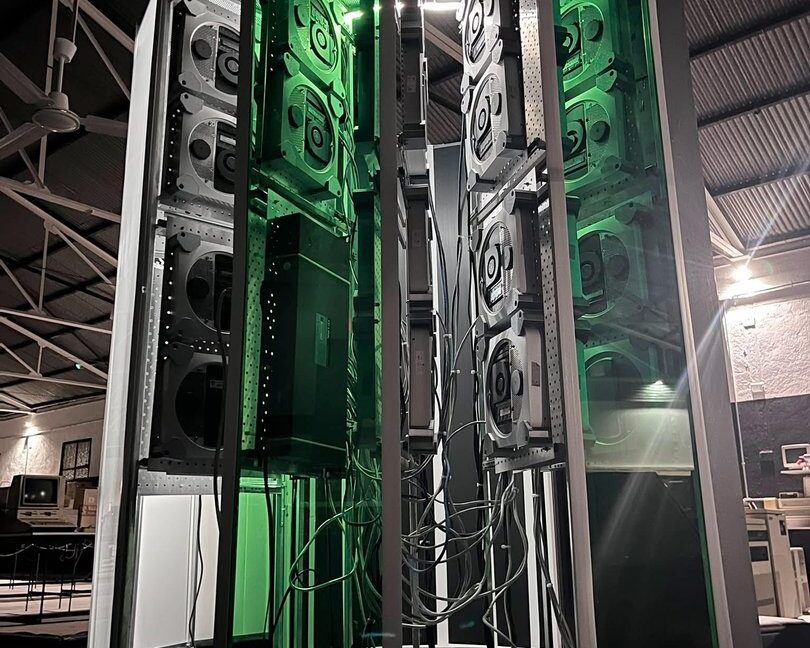
The team chose macOS Mojave ten point fourteen because it met their project needs by harnessing macOS's built in support for MPI, the software layer allowing all cluster nodes to pass tasks to one another.
Nearly silent through clever design
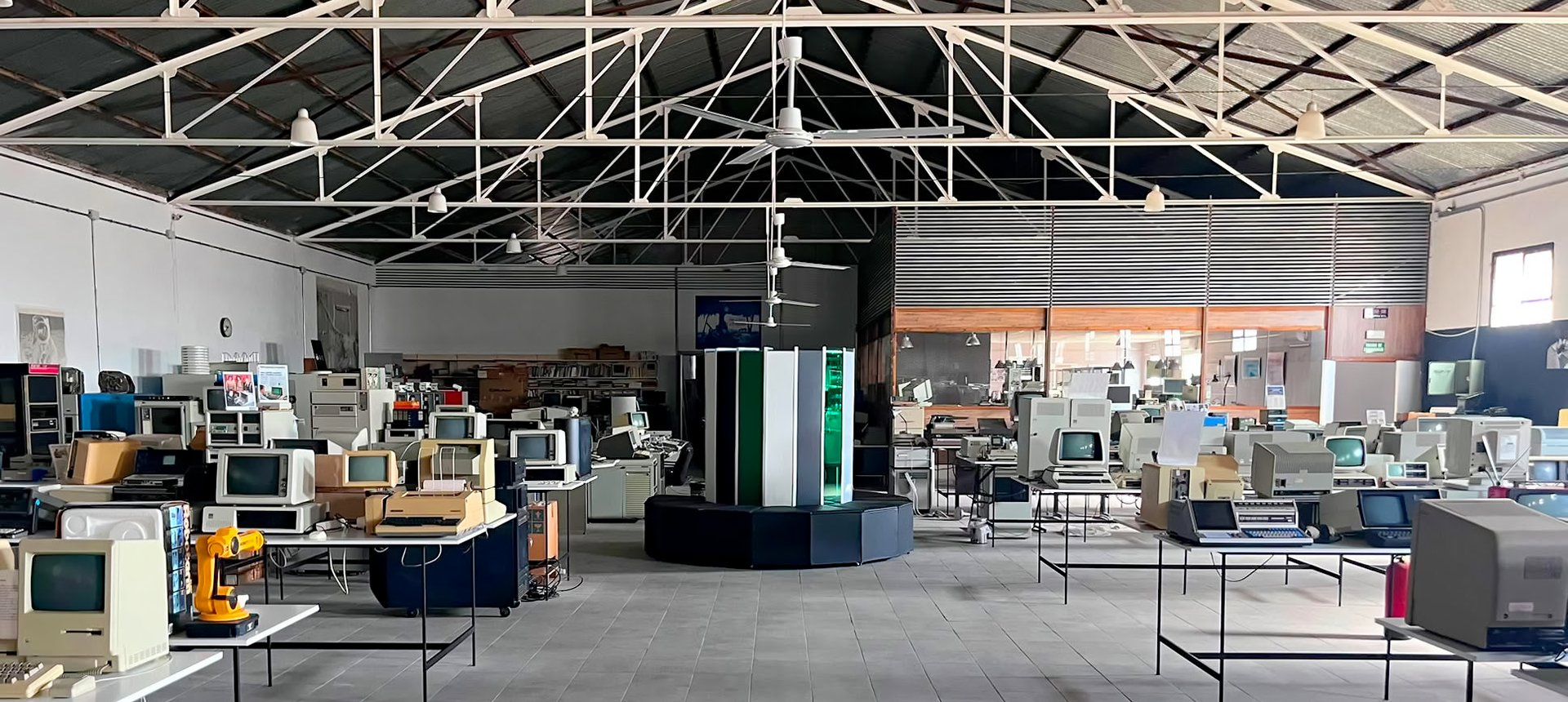
The museum team used passive convection cooling via a steel rack chassis and aluminum tray mounts. Vertical mounting allows hot air to rise through the structure as a natural thermal chimney without mechanical fans.
Only the switches make noise
The only noticeable noise inside the replica comes from two gigabit Ethernet switches at the base registering between thirty to thirty three decibels, though the team plans to replace them with silent models.
Retro control room aesthetic
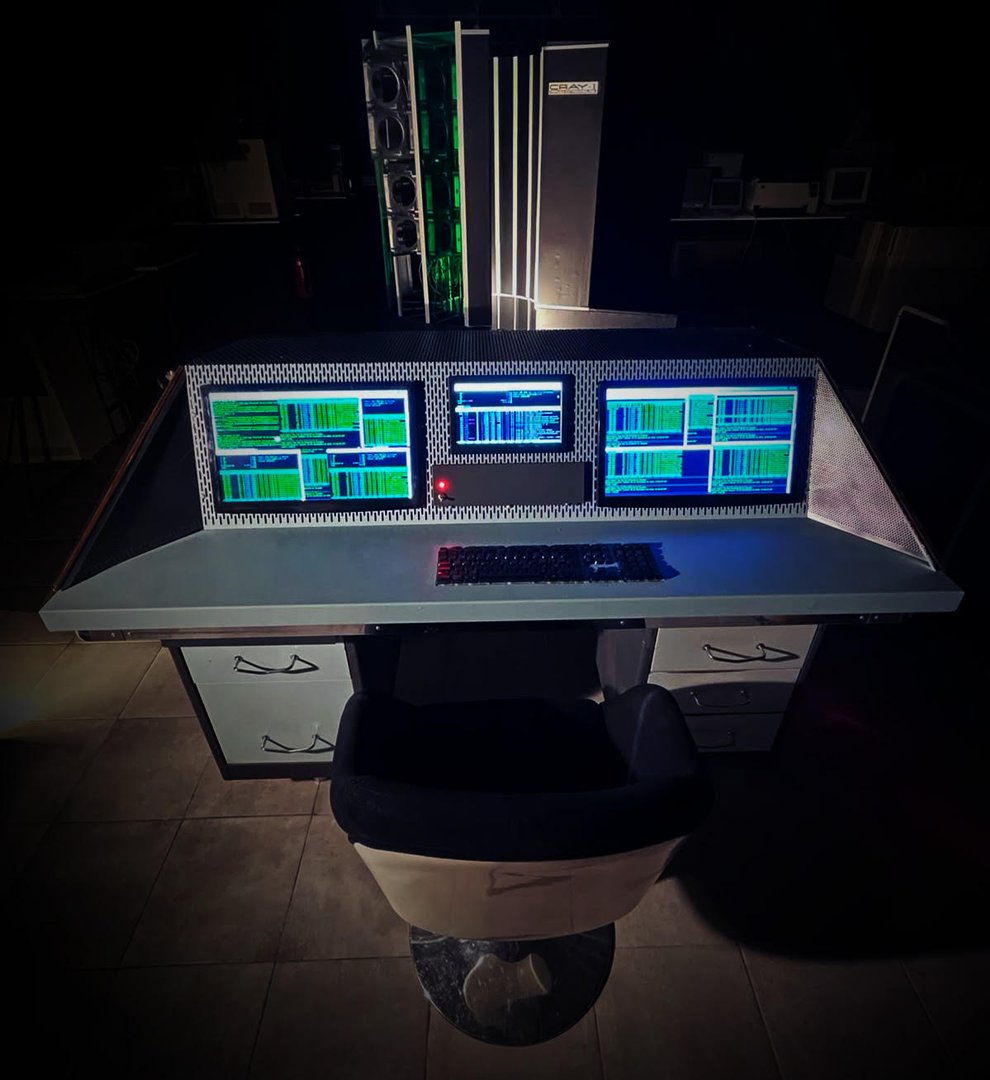
Designers built a custom terminal combining elements of the DEC VT zero five and Processor Technology Sol twenty Terminal Computer designs from the nineteen seventies, with plans to add original lamps from an IBM System…
Aiming for the TOP five hundred list
The team hopes to fill the empty second half of the tower through crowdfunding to secure seventy to eighty additional M four Mac Minis, creating a cluster capable of ranking on the TOP five hundred…
The takeaway
The Museo de Historia de la Computación in Spain unveiled a one to one scale replica of the Cray-1 supercomputer using thirty two thousand twelve era Mac Minis networked together, delivering one point three teraflops of performance.





