From Ars Technica · · 3m
Microsoft exec called AI scraping the largest theft of labor
Unsealed documents reveal Microsoft and OpenAI knew they were harming news publishers by training AI on their content without permission or compensation.
In brief
Unsealed documents reveal Microsoft and OpenAI knew they were harming news publishers by training AI on their content without permission or compensation. Internal documents show Microsoft and OpenAI anticipated their AI products would substitute for news sites and harm publishers, yet proceeded without licensing…
Microsoft and OpenAI kept secrets
For years, Microsoft and OpenAI fought to keep internal documents confidential in copyright lawsuits filed by news organizations. Now those sealed documents are being revealed in court.
Exec called it theft of labor
Microsoft Director of Applied Science Brent Hecht warned internally that scraping news for AI training was an astonishing theft of unprecedented proportions, calling it perhaps the largest theft of labor in human history.
“largest theft of labor in human history”
Fair use argument was mockery
Hecht also wrote that the plan to widely scrape news made a complete mockery of the idea of fair use, contradicting Microsoft and OpenAI's public legal arguments.
OpenAI saw existential threat
ChatGPT head Nick Turley warned that publishers would face an existential threat from commercial products trained on news content that could substitute for news providers.
The doom loop problem
Microsoft documents described a doom loop where AI products would hurt news publishers' performance and the entire web at the same time, destroying the supply chain that feeds the models.
Click-through rates collapsed
Microsoft recorded 83 to 93 percent drops in click-through rates for some news plaintiffs and 51 to 94 percent drops for others after AI products launched.
Creators never consented
Hecht acknowledged that almost no one intended for content they created to be used for AI training, nor are they compensated for its use.
Nadella admitted substitution
Microsoft CEO Satya Nadella testified under oath that chatbots steal clicks from news sites by giving information directly on the AI platform instead of requiring users to visit the original source.
OpenAI bypassed paywalls
Internal messages showed that when a staffer informed OpenAI President Greg Brockman that a hack was found to get around the New York Times paywall, Brockman replied, ah, nice.
“Ah, nice.”
No reason to click links
OpenAI engineers agreed internally that users have no good reason to click links when the chatbot provides the information, and that chatbots are largely substitutive and will become more so.
“largely substitutive, period”
Chatbots output verbatim text
News groups found that chatbots would generate long excerpts or entire articles verbatim when asked for summaries, bullet points, or bias ratings of news stories.
Microsoft claimed one employee
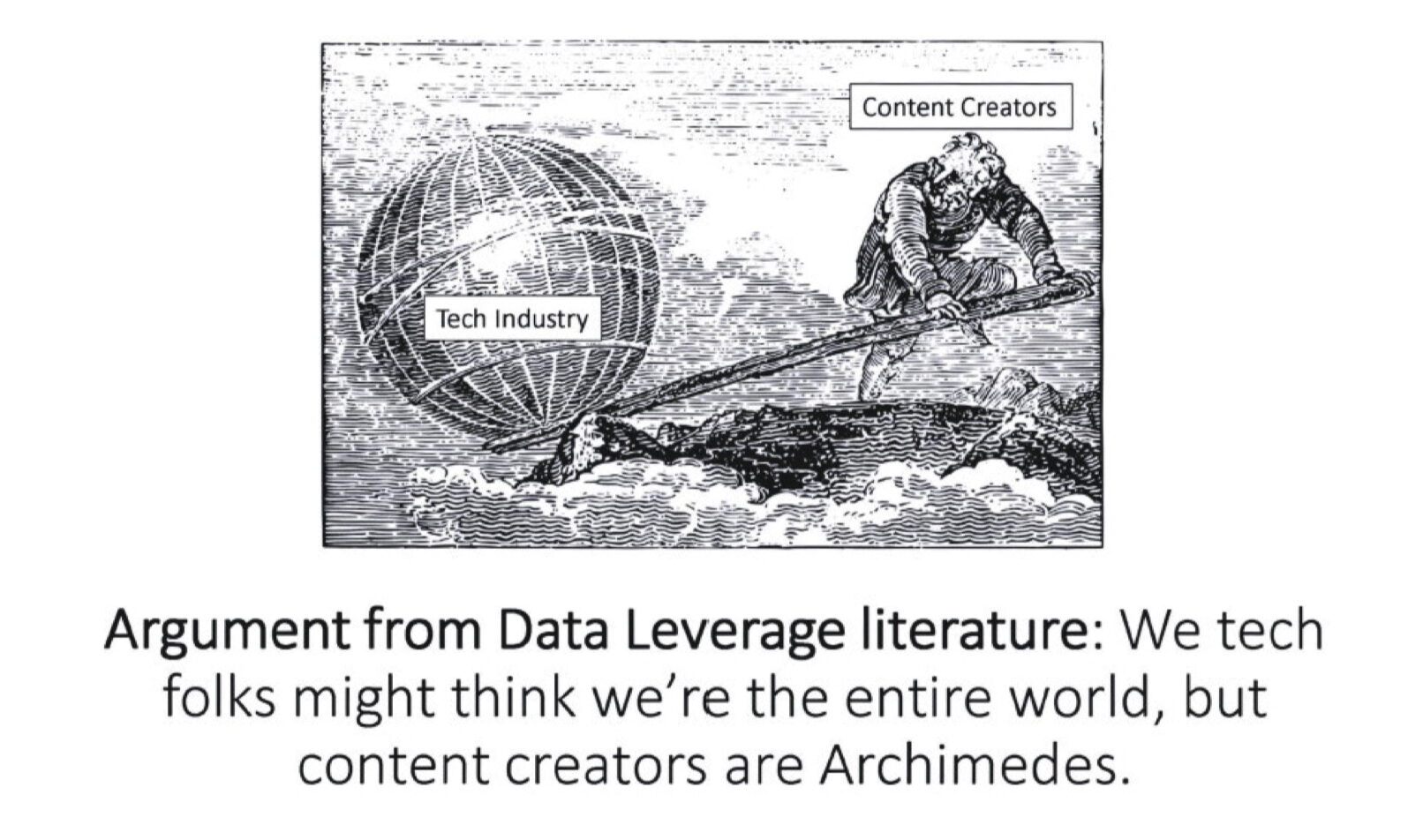
Microsoft's spokesperson said Hecht's comments reflect only one employee's individual perspective and do not represent the company's views or legal analysis.
Firms hid the evidence
News plaintiffs alleged that Microsoft and OpenAI created filters to make it harder for news groups to test chatbots, which Hecht called an accidental cover up.
Misused datasets for training
Microsoft allegedly sold a dataset purchased for Bing as training data for OpenAI without consulting news groups. OpenAI used a New York Times dataset of 1.8 million articles despite knowing it was restricted from commercial use.
The prisoners dilemma
News groups argue that if courts rule AI firms must license content, it would solve the prisoners dilemma where each company benefits from free content while the industry as a whole suffers.
The big picture
Internal documents show Microsoft and OpenAI anticipated their AI products would substitute for news sites and harm publishers, yet proceeded without licensing content or seeking permission.