From Ars Technica · · 2m
NASA fears China will lock up the Moon's best real estate
The lunar south pole's water ice is the most valuable territory in space, and NASA worries China will claim it first.
In brief
The lunar south pole's water ice is the most valuable territory in space, and NASA worries China will claim it first. Control of the Moon's south pole could signal global technological leadership, influencing which countries other nations trust for security, technology, and standards. Originally reported by Ars…
China delays Moon mission to south pole
China postponed its Chang'e 7 robotic mission to the lunar south pole until early next year without detailed explanation, but NASA Administrator Jared Isaacman called it fortunate timing.
Shackleton Crater is the prize
The lunar south pole's Shackleton Crater has permanently shadowed regions called cold traps where water ice and other materials may have accumulated over billions of years. Both NASA and China want to establish permanent settlements there.
China could claim exclusion zones
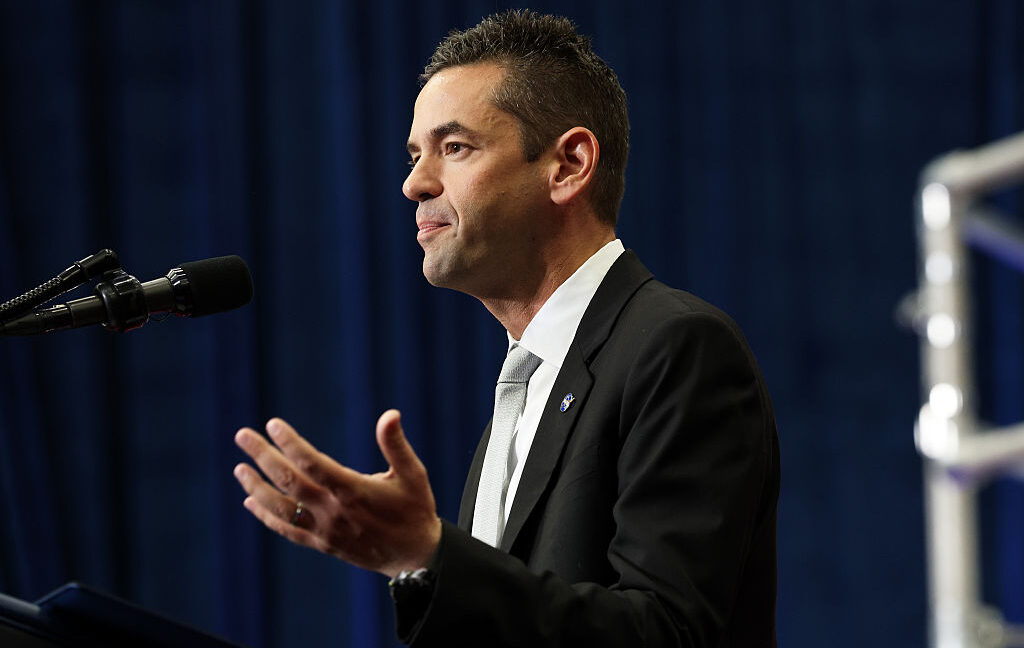
Chang'e 7 will carry rovers and hopper drones that give it considerable mobility. NASA officials worry China could establish exclusion zones preventing other countries from accessing the most interesting spots on the south pole.
“They want to interact with the water ice, and they want to get really good at the skills for where they'll want to go next for their Neil Armstrong-like moment. Except it won't be on the Moon, it'll be on Mars.”
NASA could reach the pole first
No country has soft-landed at the lunar poles yet. Chang'e 7's delay opens the possibility that NASA could arrive first with Blue Origin's Blue Moon Mark 1 lander, possibly as early as spring 2027.
China targets 2030 crewed landing
China has set a target of landing its first astronauts on the Moon by or before 2030 and is making considerable progress developing a crewed spacecraft, rocket, and lander. The country's first human spaceflight was in 2003.
Moon race signals global leadership
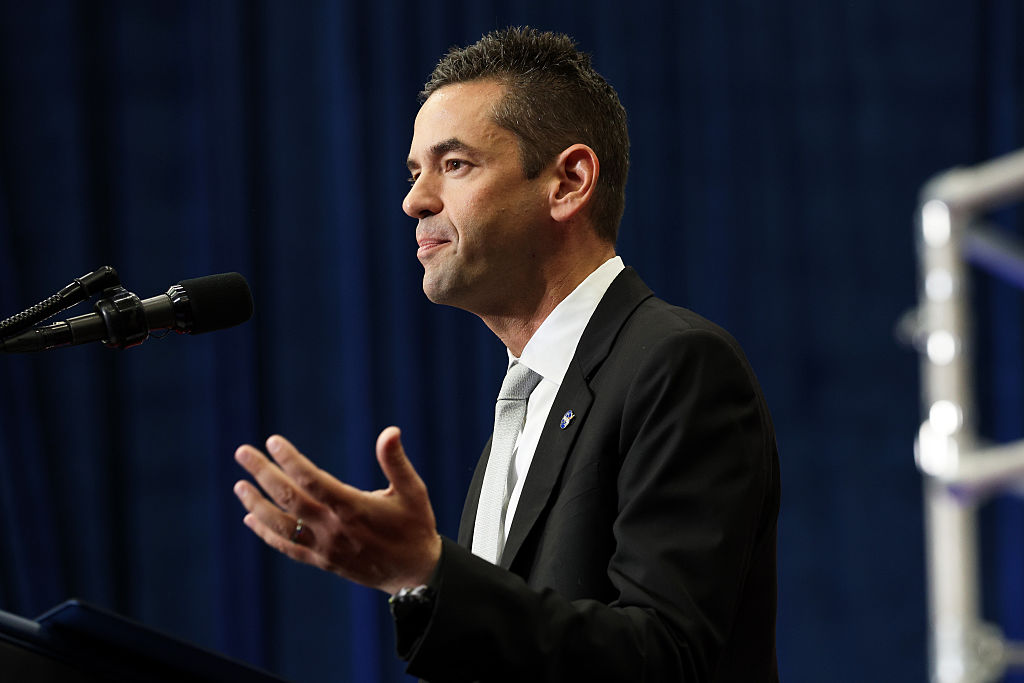
Isaacman argues that if China reaches the Moon first, other countries will question whether to trust US security guarantees, buy American technology, or follow US standards on AI and military hardware instead of China's.
“If you come up short with who comes down the ladder first, the impact is felt around the world.”
NASA wasted decades and billions
Isaacman estimates NASA has spent 100 billion dollars across multiple administrations that led nowhere, while China went from its first human spaceflight in 2003 to rivaling the United States in space capabilities.
The one thing
Control of the Moon's south pole could signal global technological leadership, influencing which countries other nations trust for security, technology, and standards.





