From Ars Technica · · 3m
NASA's billion-dollar infrared telescope aims for 2033 launch
PRIMA will be the first of a new class of space observatories designed to do serious science without flagship-level costs.
In brief
PRIMA will be the first of a new class of space observatories designed to do serious science without flagship-level costs. NASA is launching PRIMA in the early 2030s as a middle ground between cheap Explorer missions and multibillion-dollar flagships, using spare parts from the James Webb Space Telescope to cut costs…
NASA greenlights new infrared telescope
PRIMA will launch in the early 2030s as the first Probe Explorer mission, a new class of space telescope designed to balance cost and capability between cheaper Explorer missions and multibillion-dollar flagships.
Finding balance in space telescope costs
NASA's space telescopes typically cost either a few hundred million dollars for Explorer-class missions or billions for flagships like the Nancy Grace Roman Space Telescope at $4.3 billion. Probe Explorers seek a middle path.
PRIMA wins the competition
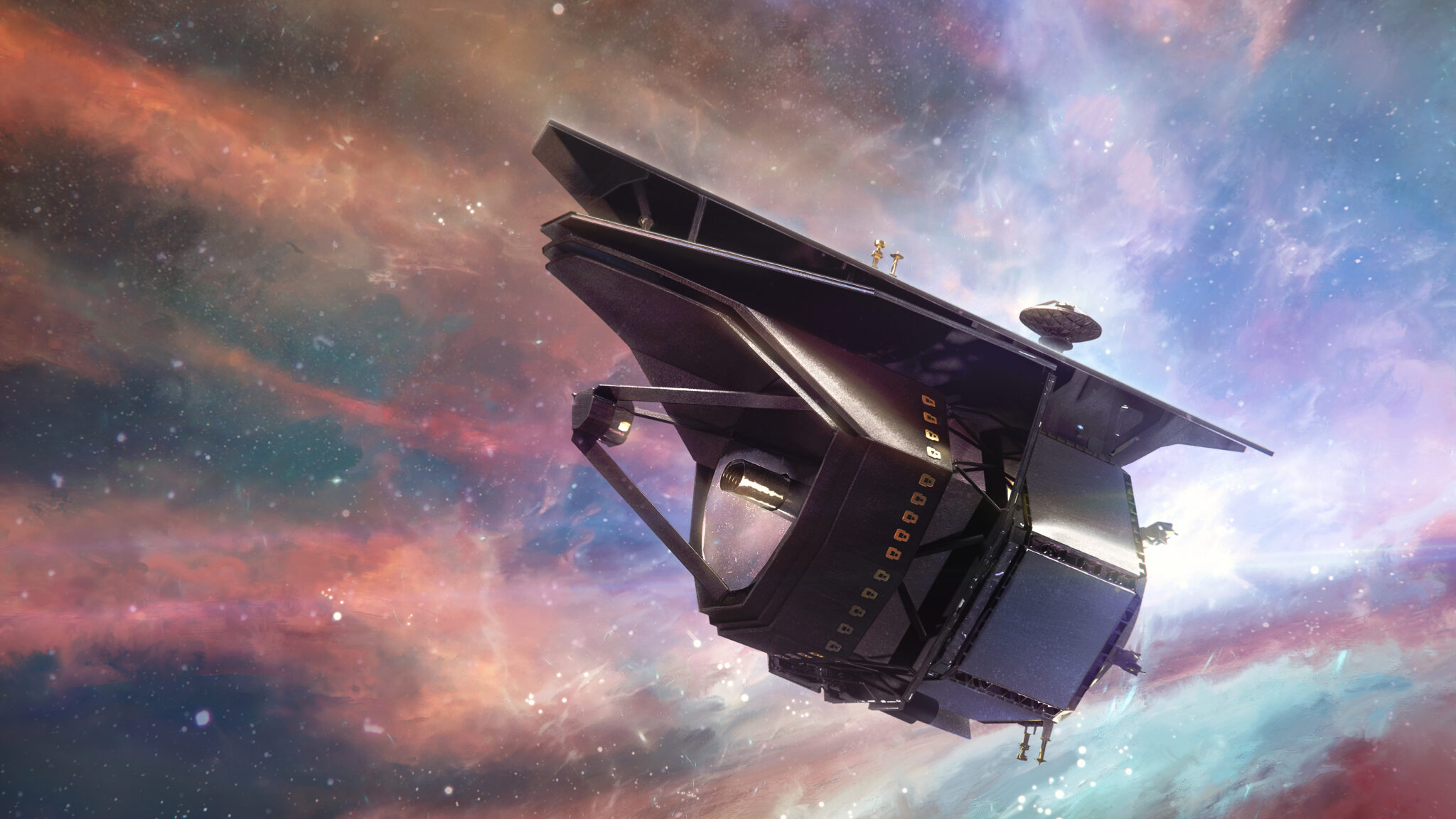
PRIMA was the sole finalist after NASA disqualified a competing X-ray observatory called AXIS, which failed to meet schedule and budget constraints. PRIMA will be led by NASA's Jet Propulsion Laboratory in Pasadena.
Seven-year development timeline
NASA wants to launch PRIMA in 2033, just seven years from approval. This is much faster than typical flagship missions, which can take decades from approval to launch.
Recycled Webb parts cut costs
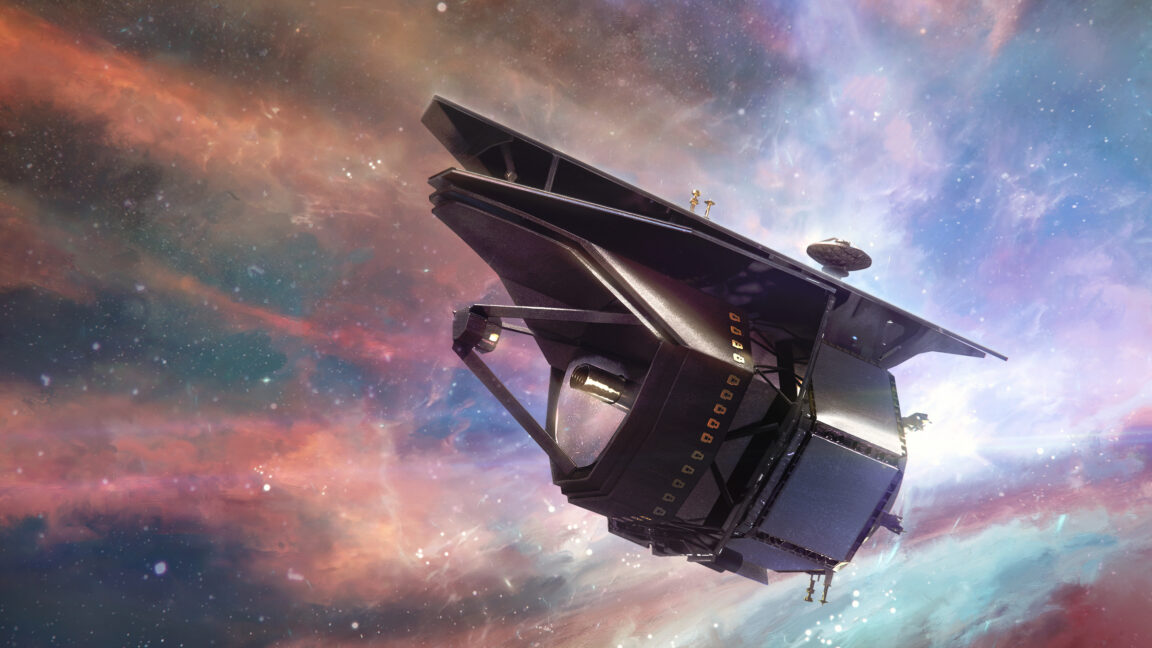
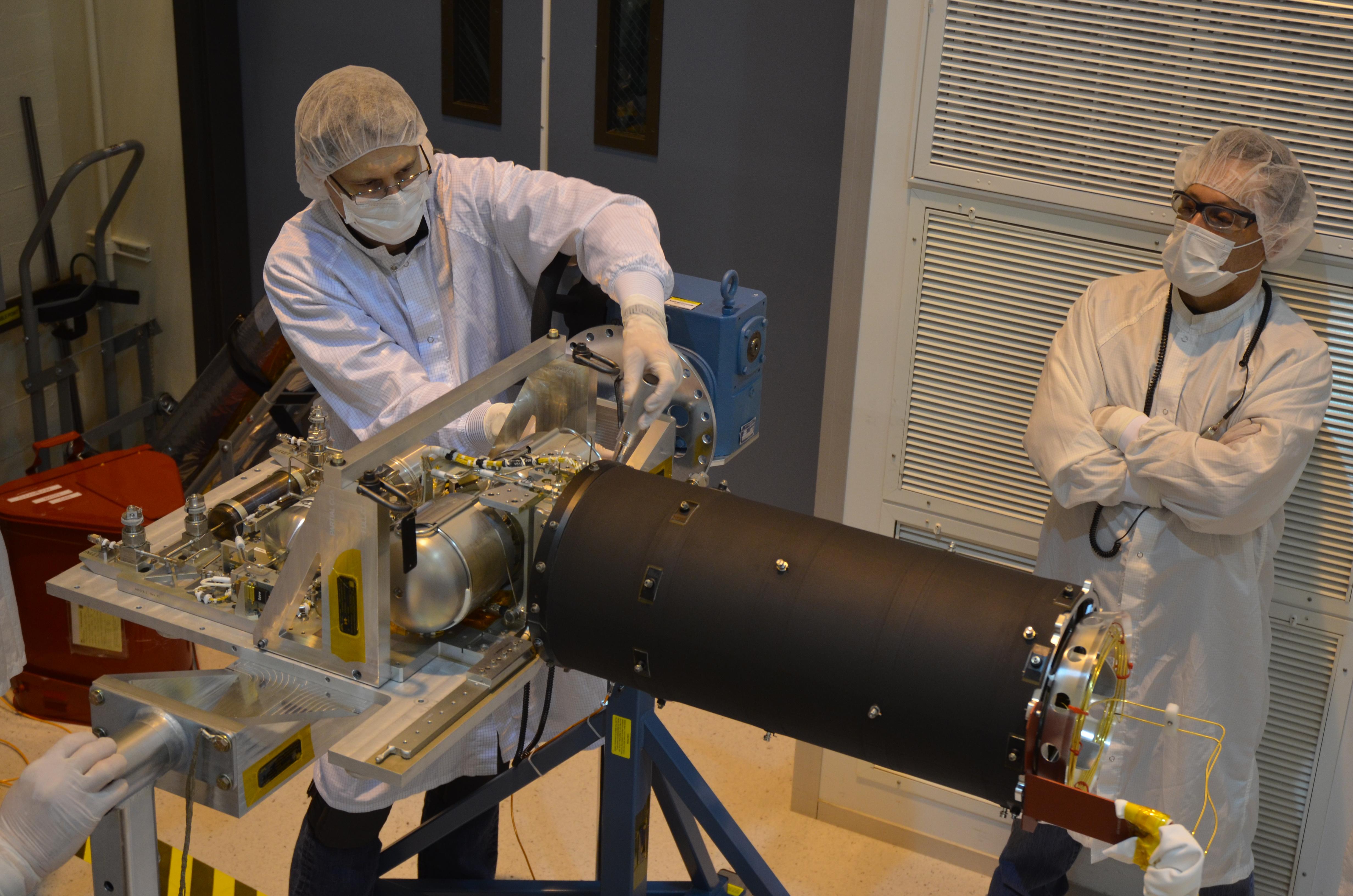
PRIMA has a $1.2 billion cost cap and will reuse a spare cryocooler from the James Webb Space Telescope, modified to use helium-3 instead of helium-4. This avoids building a new cooling system from scratch.
Coldest optics ever sent to space
PRIMA's primary mirror will be cooled to 4.5 Kelvin, or minus 451 degrees Fahrenheit. Its focal planes will be chilled even lower to 100 milliKelvin, making it the coldest space telescope ever built.
Observing the far-infrared universe
PRIMA will observe wavelengths between 24 and 235 micrometers, peering deeper into the infrared than NASA's Spitzer and Webb telescopes or Europe's Herschel. It will study planet formation, galaxy evolution, and cosmic dust.
“The PRIMA mission is humanity's next window into the deep Universe.”
Stationed at a million miles away
PRIMA will orbit the Sun-Earth L2 Lagrange point, a million miles from Earth. With a 5.9-foot primary mirror and a total weight under 3.4 metric tons, it will be compact enough to launch on existing rockets.
Building on Herschel's legacy
PRIMA will extend the infrared survey capabilities of NASA's fleet and build on discoveries made by Europe's Herschel space telescope about cosmic filaments and water's role in star and planet formation.
Next phase: preliminary design review
NASA's announcement gave PRIMA the green light to move into Phase B development, working toward a preliminary design review before a confirmation review at NASA Headquarters that will mark final approval to build flight hardware.
Lessons from Roman's success
NASA launched the Nancy Grace Roman Space Telescope ahead of schedule and on budget, proving flagship projects don't have to exceed their timelines. NASA plans to apply these lessons to future missions like the Habitable Worlds Observatory.
“We have proven with the launch of Nancy Grace Roman, ahead of schedule and on budget, that it is not a law of nature that these projects will go over schedule and over budget.”
The next flagship: Habitable Worlds Observatory
NASA is developing the Habitable Worlds Observatory for launch in the 2040s, expected to cost around $11 billion. It will be at least as large as Webb and may have an even bigger mirror if SpaceX's Starship enables heavier launches.
Here's the gist
NASA is launching PRIMA in the early 2030s as a middle ground between cheap Explorer missions and multibillion-dollar flagships, using spare parts from the James Webb Space Telescope to cut costs and accelerate development.





