From Ars Technica · · 1m 30s
Neanderthal wooden tools preserved in stone
Spanish archaeologists find 597 Neanderthal wooden tools preserved in limestone at Abric Romaní shelter.
In brief
Spanish archaeologists find 597 Neanderthal wooden tools preserved in limestone at Abric Romaní shelter. Neanderthals used wooden tools for daily tasks, not just hunting, challenging the 'dumb cousins' stereotype. Originally reported by Ars Technica.
Stone Age wood preservation
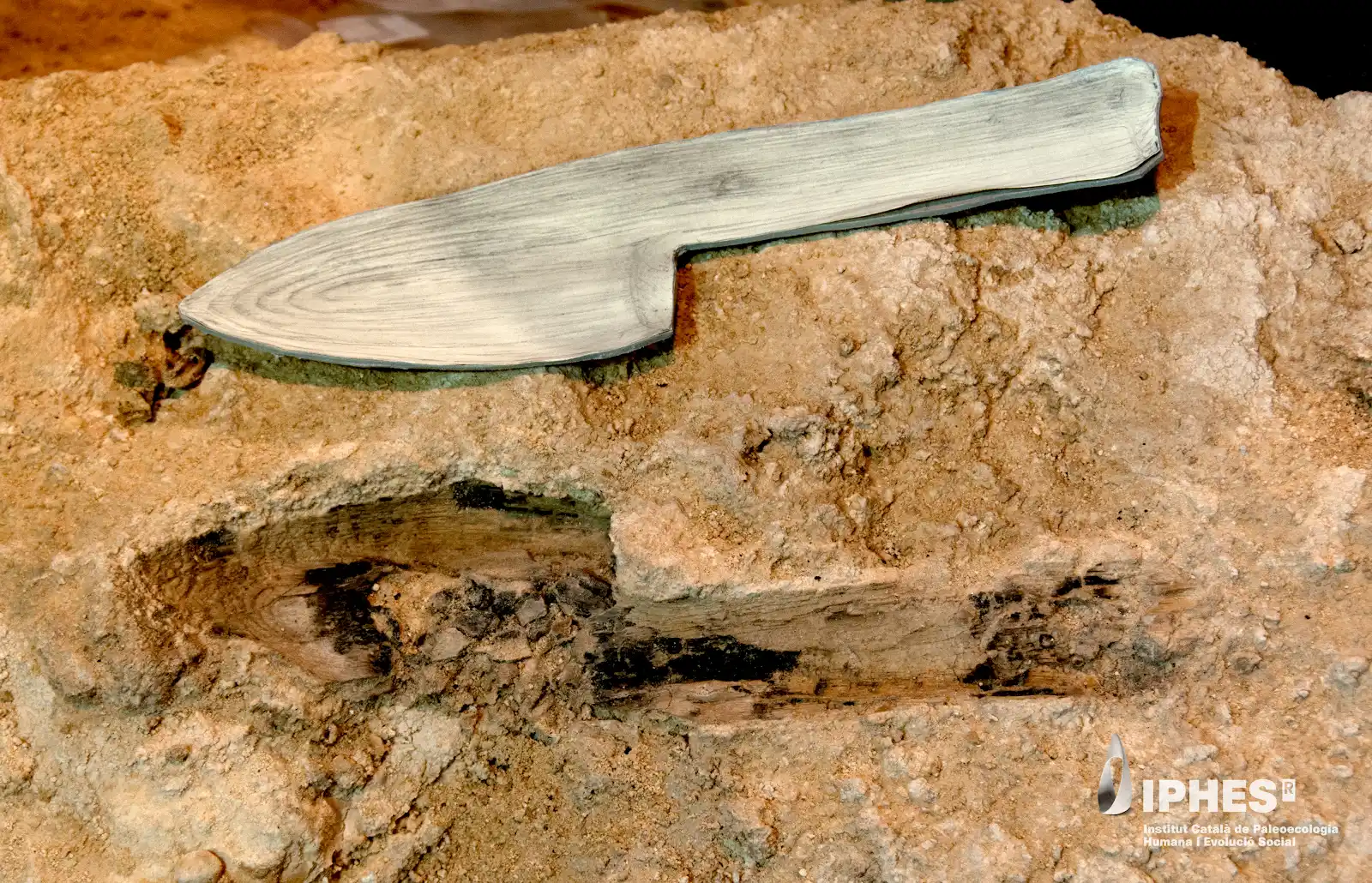
Mineral-rich water coated wooden Neanderthal tools in limestone crust at Abric Romaní shelter.
597 wooden remains cataloged
Spanish archaeologists cataloged 597 wooden remains from Neanderthal living areas dating 62,000 to 40,000 years ago.
Beyond hunting gear
Neanderthals used wooden tools for daily tasks including food carrying, hearth maintenance, and shelter building.
Travertine molds
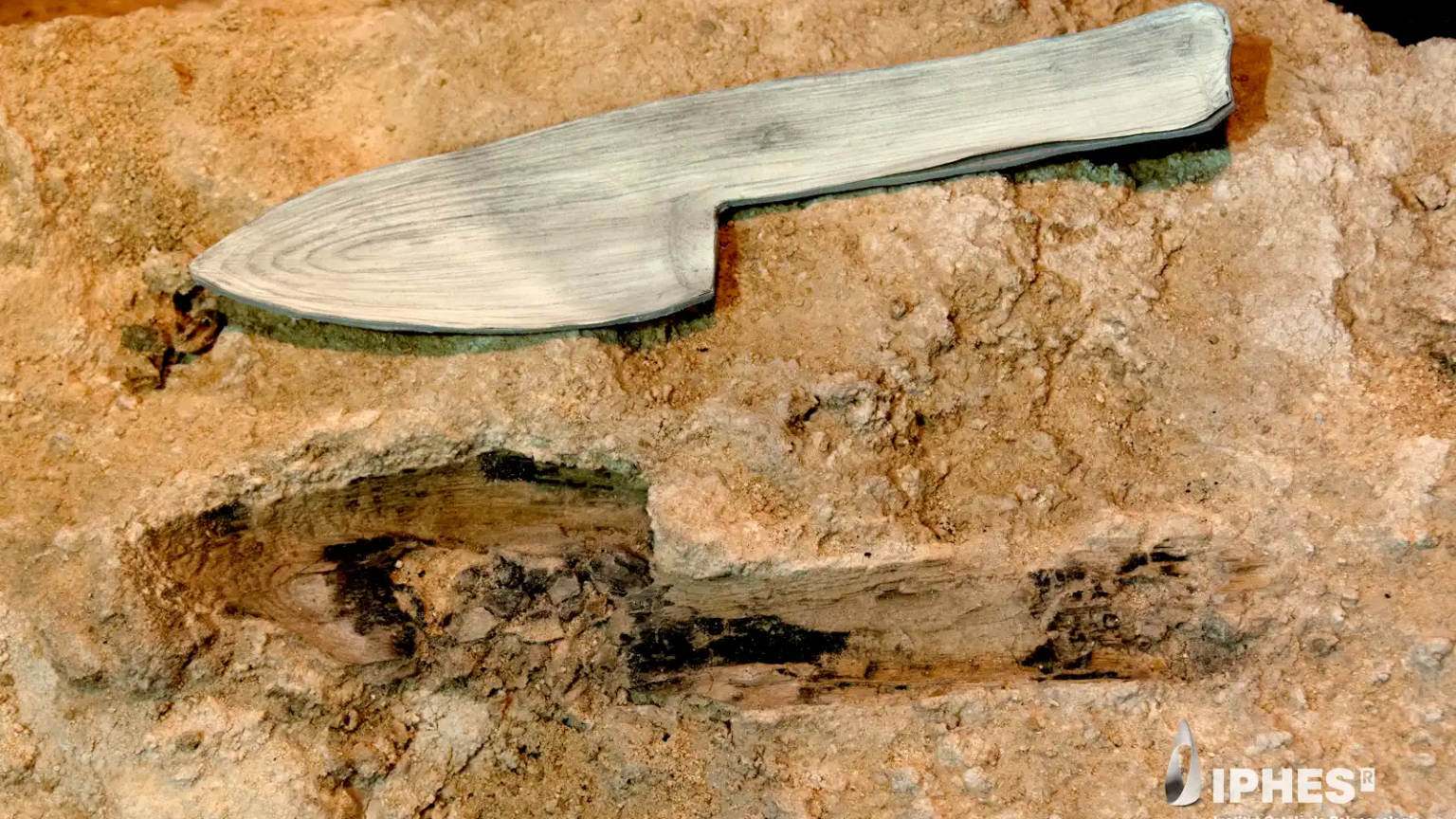
Calcium carbonate crust preserved wooden tools in hollow molds that show detailed wood cell patterns.
3D printing for research
Archaeologists 3d scanned and printed wooden tool molds for research and museum displays.
13 modified wooden tools
Only 13 wooden objects were made or modified by Neanderthals, all with unique morphologies.
Juniper bark trays
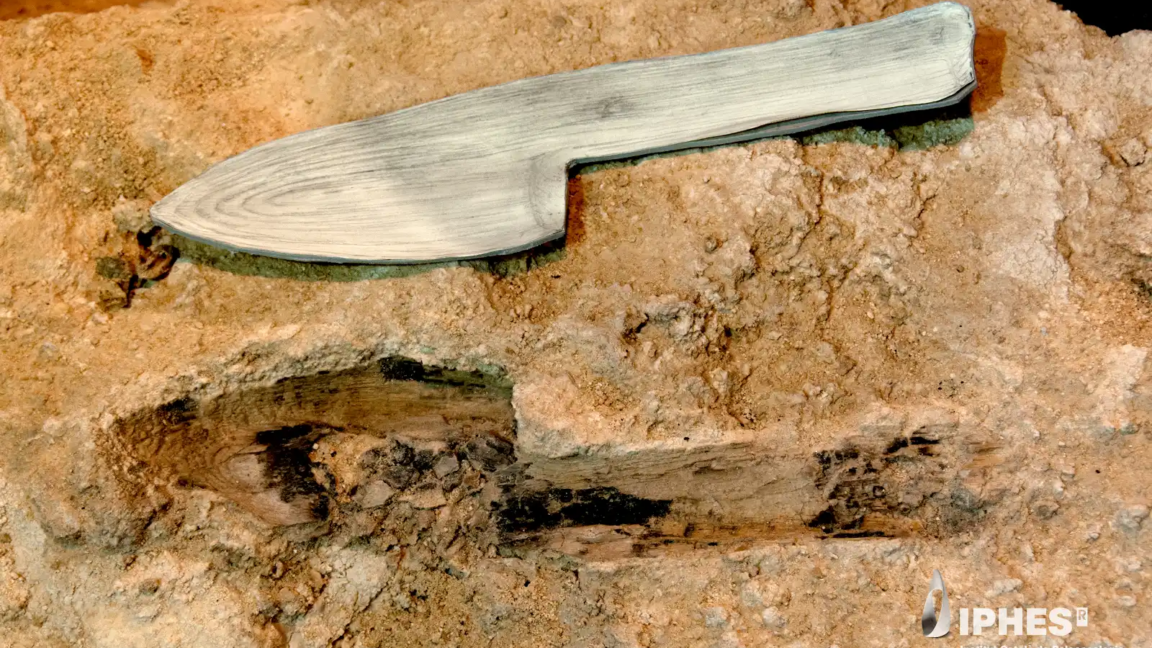
Four juniper bark trays, largest 55 by 20 centimeters, may have carried food or scooped embers.
Firewood and hearths
Neanderthals kept sleeping hearths 50 centimeters across spaced a meter apart with minimal debris.
Spears and club
A 2.45-meter spear with impact fractures and a 16-centimeter wooden club were found near red deer skulls.
Neanderthal complexity

Neanderthals knew wood properties, using Scots pine for tools and juniper for trays, showing planning and complexity.
Challenging stereotypes
Neanderthals were not Homo sapiens' dumb cousins but had complex tool use and social behaviors.
What it means
Neanderthals used wooden tools for daily tasks, not just hunting, challenging the 'dumb cousins' stereotype.





