From Ars Technica · · 2m
Nvidia bets billions on robots that won't hurt people
Nvidia's safety system for autonomous machines aims to let robots work safely alongside humans in factories and warehouses.
In brief
Nvidia's safety system for autonomous machines aims to let robots work safely alongside humans in factories and warehouses. Nvidia launched Halos for Robotics in June two thousand twenty-six to help developers build safer autonomous robots for warehouses, factories and hospitals, expanding a safety system it first…
Nvidia's physical AI bet
Nvidia has invested billions in physical AI technologies including robotics and self-driving cars, betting this will become a major growth area alongside its data center business.
Halos launches for safety
Nvidia launched Halos in two thousand twenty-five with hardware and software tools to help developers implement guardrails in self-driving cars and other autonomous vehicles.
Expanding to robotics
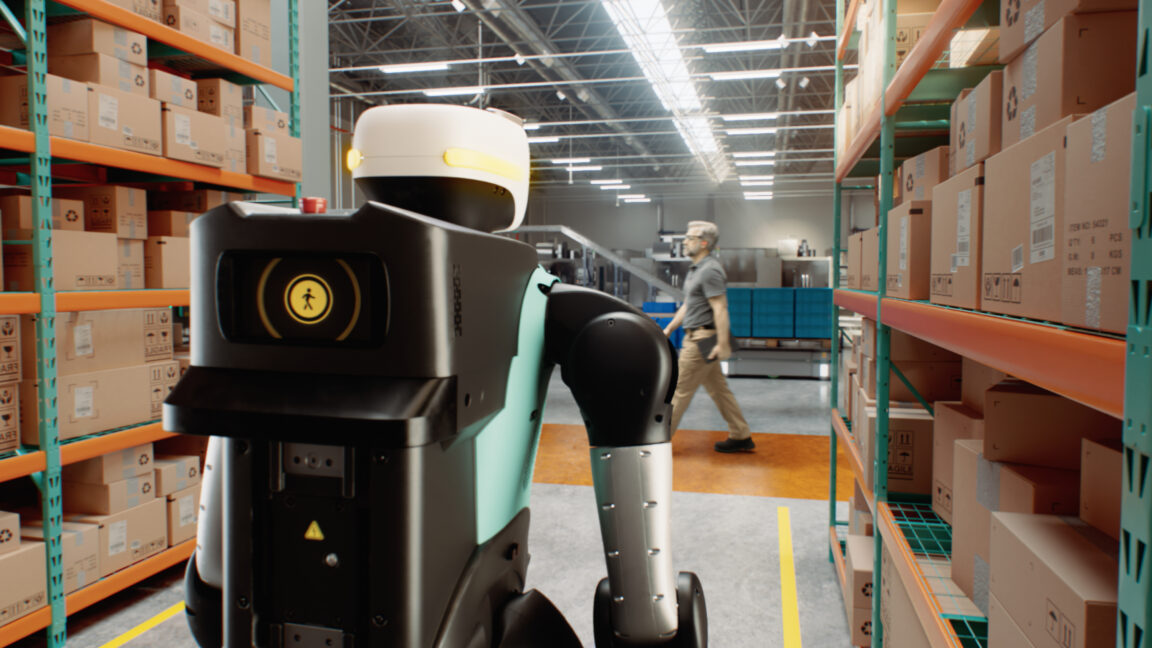
In June two thousand twenty-six, Nvidia announced Halos for Robotics to enable safe deployments of autonomous mobile robots in warehouses, humanoid robots in factories, and surgical robots.
Physical AI drives revenue
Nvidia CEO Jensen Huang said the physical AI business was already driving nearly ten billion dollars in annual revenue for the company during an appearance on the All-In Podcast in March two thousand twenty-six.
Why safety matters now
Amit Goel, head of robotics ecosystem and edge computing at Nvidia, said AI models and robot hardware are becoming capable, making safety the next bottleneck to unlock these systems.
“Now the AI models are getting capable, the robot hardware is getting capable, and a thing we thought is going to be the next bottleneck is safety.”
How Halos works
Halos includes dedicated safety processors, monitoring software for hardware and libraries, isolated safety workloads, sensor data bridges to identify corrupted data, and simulations for testing robots.
Custom safety for different robots
Unlike autonomous vehicles with uniform safety definitions, robots face different safety needs. A robotic vacuum has different requirements than a forklift handling heavy payloads in a warehouse.
Agility Robotics leads adoption
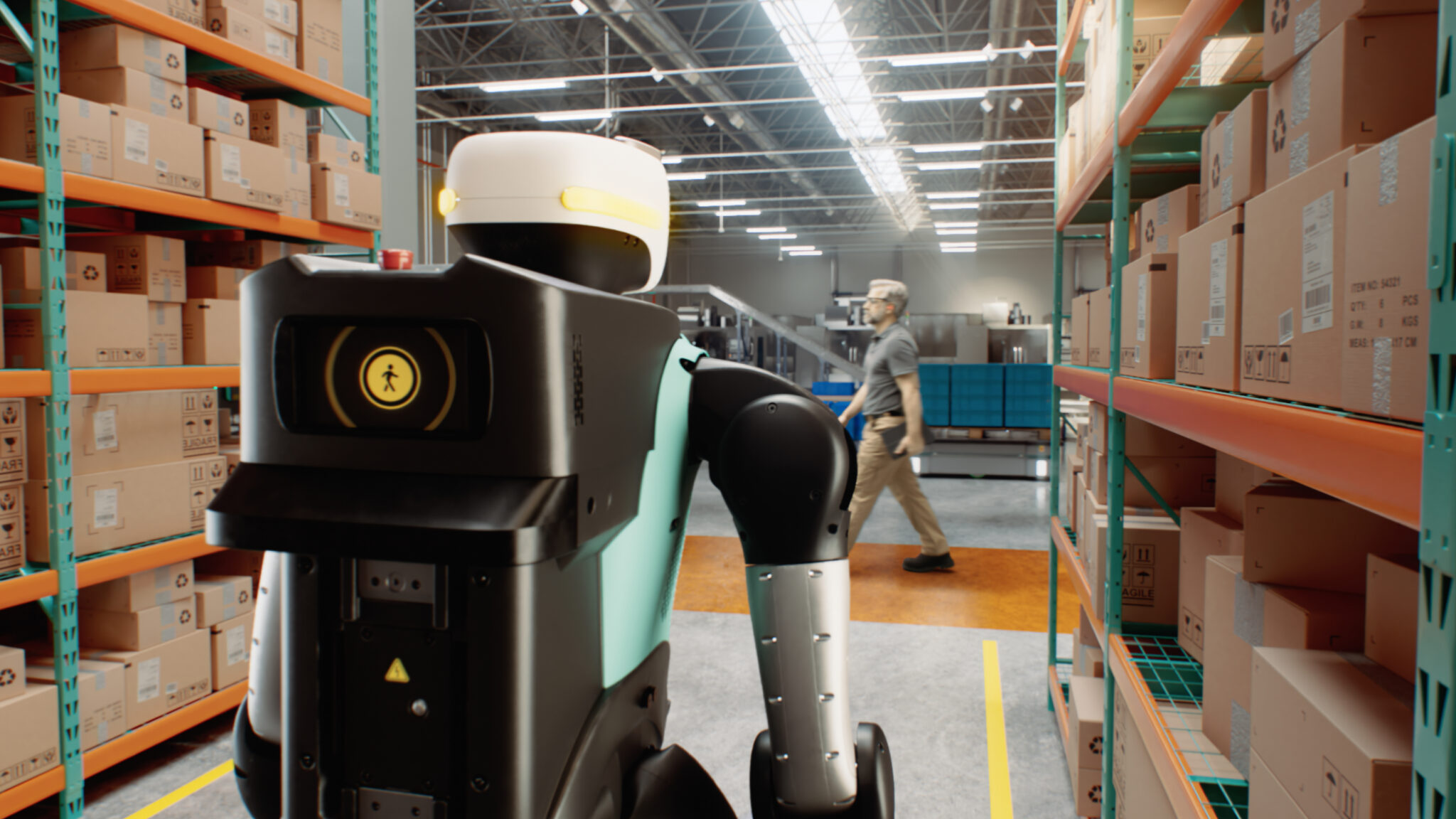
Agility Robotics incorporated Halos into its Digit five humanoid robot, allowing it to work safely near people without isolated workstations or physical barriers around the work cell.
“Now the robot is literally unchained, the safety goes with the robot wherever it goes.”
Boston Dynamics and others join
Boston Dynamics is an early partner in Halos safety accreditation for its Spot, Stretch and Atlas robots. KION Group and LG are also incorporating Halos into their autonomous mobile and humanoid robots.
Robots need safety for flexibility
As robots move from single-station tasks to handling multiple tasks in multiple environments, safety improvements become essential for production deployment across factories, warehouses and hospitals.
Here's the gist
Nvidia launched Halos for Robotics in June two thousand twenty-six to help developers build safer autonomous robots for warehouses, factories and hospitals, expanding a safety system it first created for self-driving cars.