From Ars Technica · · 1m 20s
Nvidia CEO summoned over Chinese spy concerns
Congress demands Jensen Huang explain how a Chinese woman with ties to a cloud company gained access to sensitive information.
In brief
Congress demands Jensen Huang explain how a Chinese woman with ties to a cloud company gained access to sensitive information. Top Republican lawmakers summoned Nvidia CEO Jensen Huang to testify about alleged Chinese espionage targeting him, citing national security risks from potential access to US technology…
Congress demands Huang testify
The chairs of the House committees on China, foreign affairs, and intelligence wrote to Jensen Huang asking him to appear before a joint closed-door briefing on November 18.
Espionage concerns centre on Alice Huang
US intelligence officials believe Nvidia CEO Jensen Huang was targeted by a Chinese spy operation.
Lawmakers cite national security risks
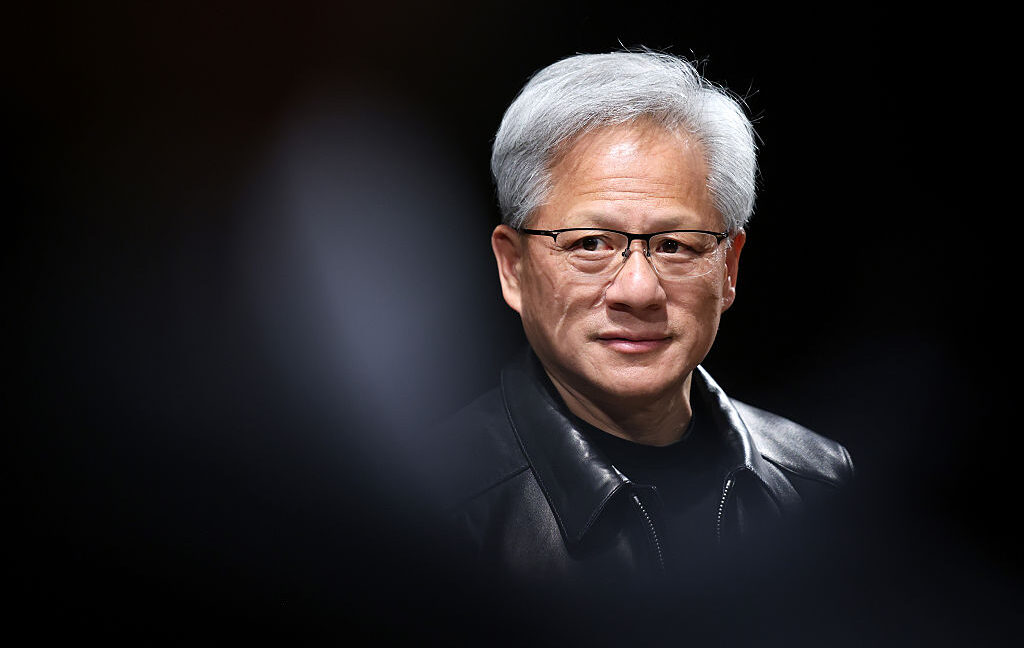
Representatives John Moolenaar, Brian Mast, and Rick Crawford wrote that recent reports raise significant national security concerns regarding China's access to sensitive US technology and information.
“Recent reports raise significant national security concerns regarding the People's Republic of China's access to sensitive US technology and information.”
Nvidia denies wrongdoing and security risks
Nvidia rejected the claims, saying customer meetings are routine and that regional cloud customers receive only ordinary business information, not sensitive trade secrets or national security information.
“Our regional cloud customers receive ordinary business information, not sensitive Nvidia trade secrets, and zero information relevant to national security.”
Nvidia conducted internal investigation at Megaspeed
Nvidia launched unannounced on-site inspections at Megaspeed in Singapore when it became aware of US concerns, but the internal probe found no evidence of its chips being diverted into China.
Here's the gist
Top Republican lawmakers summoned Nvidia CEO Jensen Huang to testify about alleged Chinese espionage targeting him, citing national security risks from potential access to US technology.