From Ars Technica · · 2m
Polestar measures what performance feels like
A study with Oxford researchers uses heart monitors and brain electrodes to quantify the human experience of driving a high-performance car.
In brief
A study with Oxford researchers uses heart monitors and brain electrodes to quantify the human experience of driving a high-performance car. Polestar and University of Oxford studied how drivers experience performance in electric cars, finding that handling and responsiveness create measurable physiological and…
Polestar asks a new question
Electric cars are in an arms race over acceleration and top speed. But Polestar and University of Oxford wanted to measure something different: how performance affects the driver.
“As electric cars redefine what performance can be, we wanted to understand something that can't be captured by a specification sheet alone: the human experience behind the wheel.”
The pilot study setup
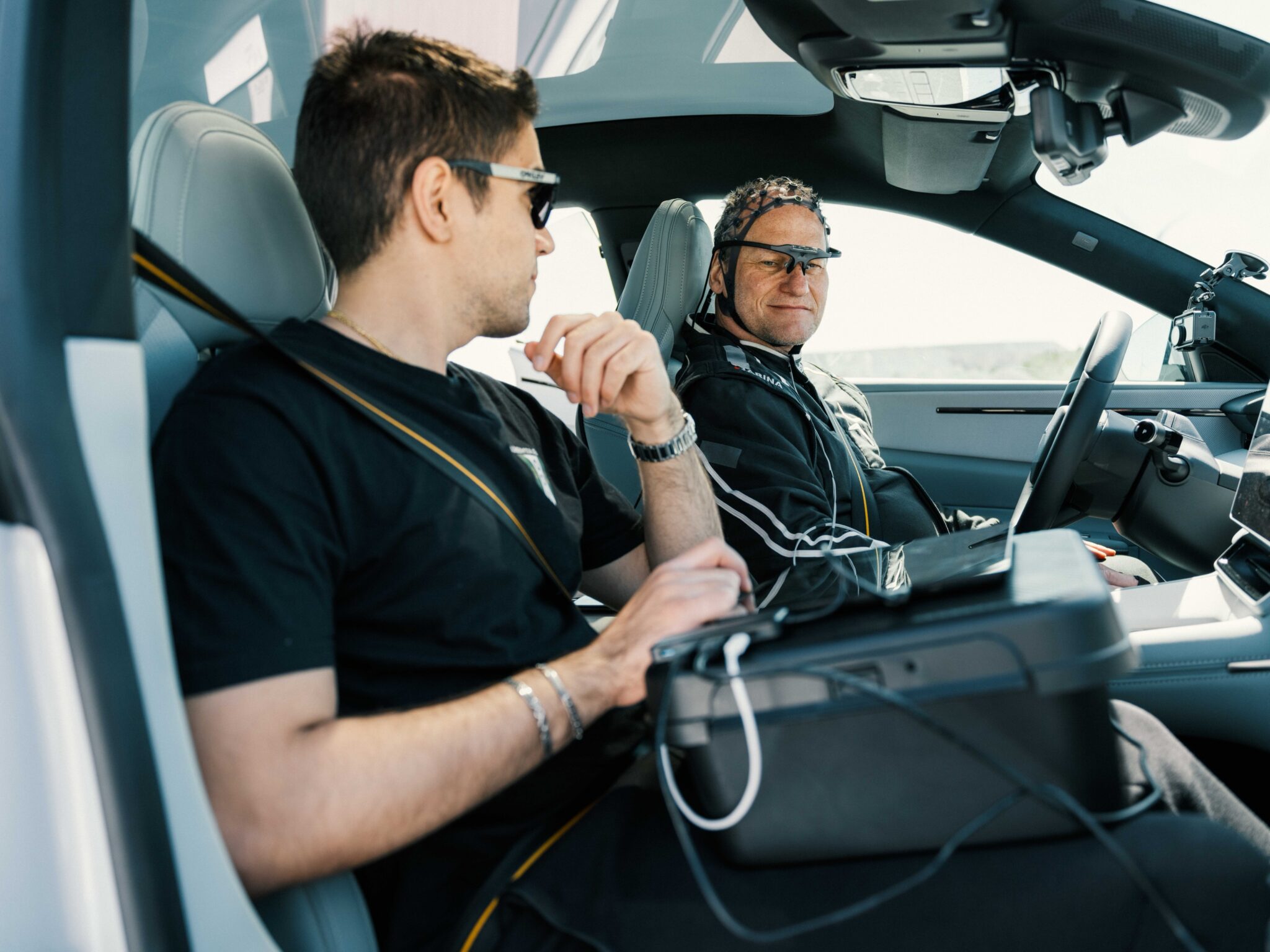
Twelve drivers tested rear-wheel and all-wheel-drive versions of the Polestar 4 at Gotland Ring circuit in Sweden. They wore heart rate monitors and electrode-studded skullcaps to gather physiological data.
The all-wheel-drive advantage
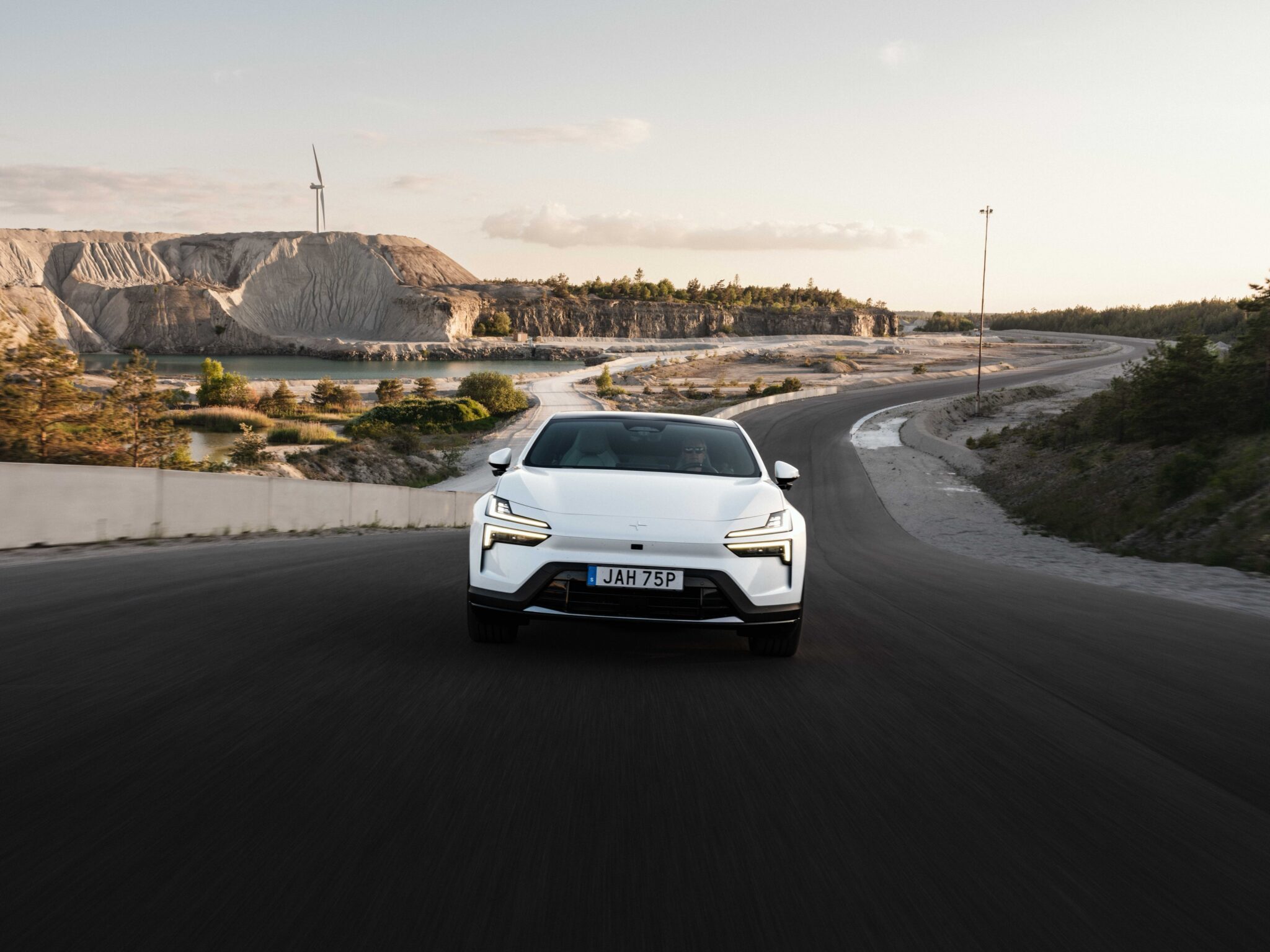
The all-wheel-drive Polestar 4 produced higher G loads under cornering and acceleration with 536 horsepower. Peak acceleration was 32 percent higher and drivers needed 15 percent less steering effort.
Drivers strongly preferred the faster car
On a scale of zero to one hundred, the all-wheel-drive version scored eighty-nine point two for performance and ninety-three overall, versus sixty-seven point seven and seventy-seven point nine for the rear-drive version.
What drivers said about the experience
The more powerful car gave drivers a sense of trust, control and deep engagement. More than one compared the experience to a controlled roller coaster.
Performance is about confidence
Max Klapow, a researcher at Oxford, said performance gives drivers confidence and control through predictable vehicle responses. The study connects what the car does with what happens to the driver.
“Performance is not simply about going faster. It is about giving the driver a sense of confidence and control through predictable vehicle responses.”
Why handling matters more than people admit
Richard Parry-Jones, former Ford CTO, proved steering was most strongly correlated with customer satisfaction. Bad steering is tiring but good steering is rewarding, he explained.
“bad steering is tiring… That's what I learned about vehicle dynamics and linear responses: it's tiring if it's bad but rewarding if it's good.”
Drivers sense the difference even if they cannot name it
Ken Morris at General Motors said people absolutely can tell the difference in handling but do not know what it is.They might say a car feels like a vault without understanding the engineering behind it.
“They don't know what it is. And the structural feel of the car going down the road, you know, people might explain, 'It feels like a vault.'”
What to remember
Polestar and University of Oxford studied how drivers experience performance in electric cars, finding that handling and responsiveness create measurable physiological and psychological effects beyond raw speed.