From Ars Technica · · 3m
Prisons Get OK to Jam Contraband Phones
FCC approves prison phone jammers after CTIA test shows 911 calls blocked.
In brief
FCC approves prison phone jammers after CTIA test shows 911 calls blocked. FCC allows state prisons to jam contraband cellphones after tests confirmed jammers block 911 calls and lawful communications. Originally reported by Ars Technica.
FCC approves prison phone jammers
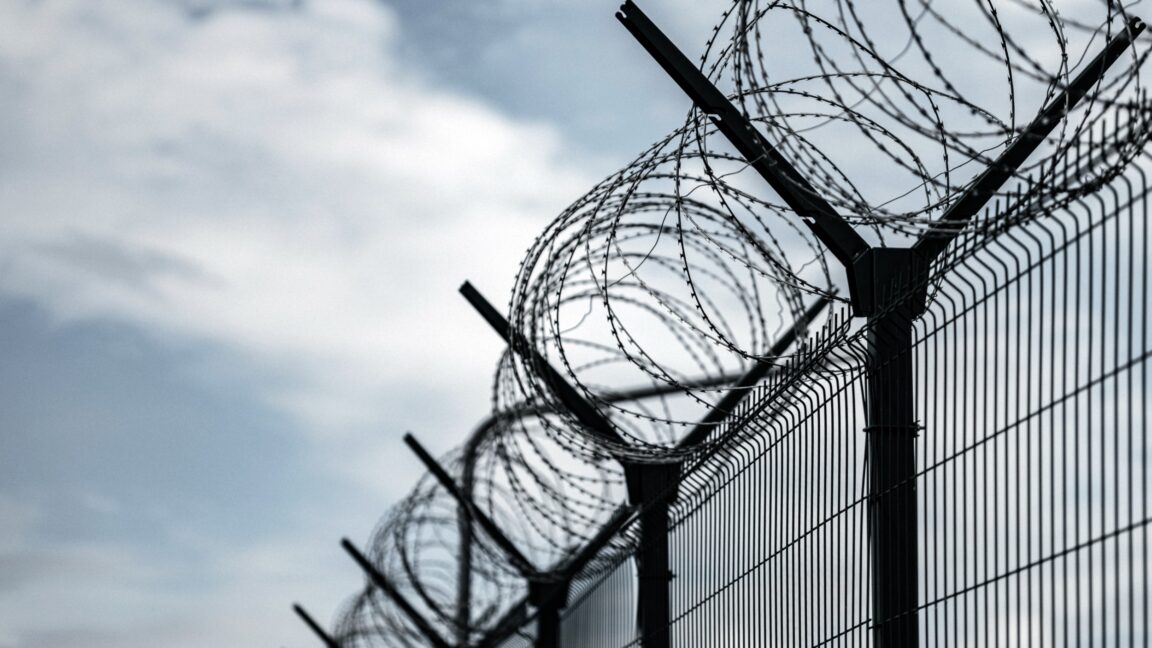
The Federal Communications Commission voted to let state and local prisons use jamming technology to block contraband cellphones despite warnings that jammers will also block lawful phone calls outside the prisons.
CTIA test confirms 911 calls blocked
CTIA said a recent test with the Virginia Tech Applied Research Corporation and South Carolina Department of Corrections confirmed jammers block 911 calls and interfere with public safety communications.
Pilot test shows gaps in jamming
The pilot test blocked 911 calls, interfered with public safety communications, and caused interference up to two and a half miles away, but failed to block one-half to two-thirds of contraband device calls.
FCC chairman cites prison phone risks
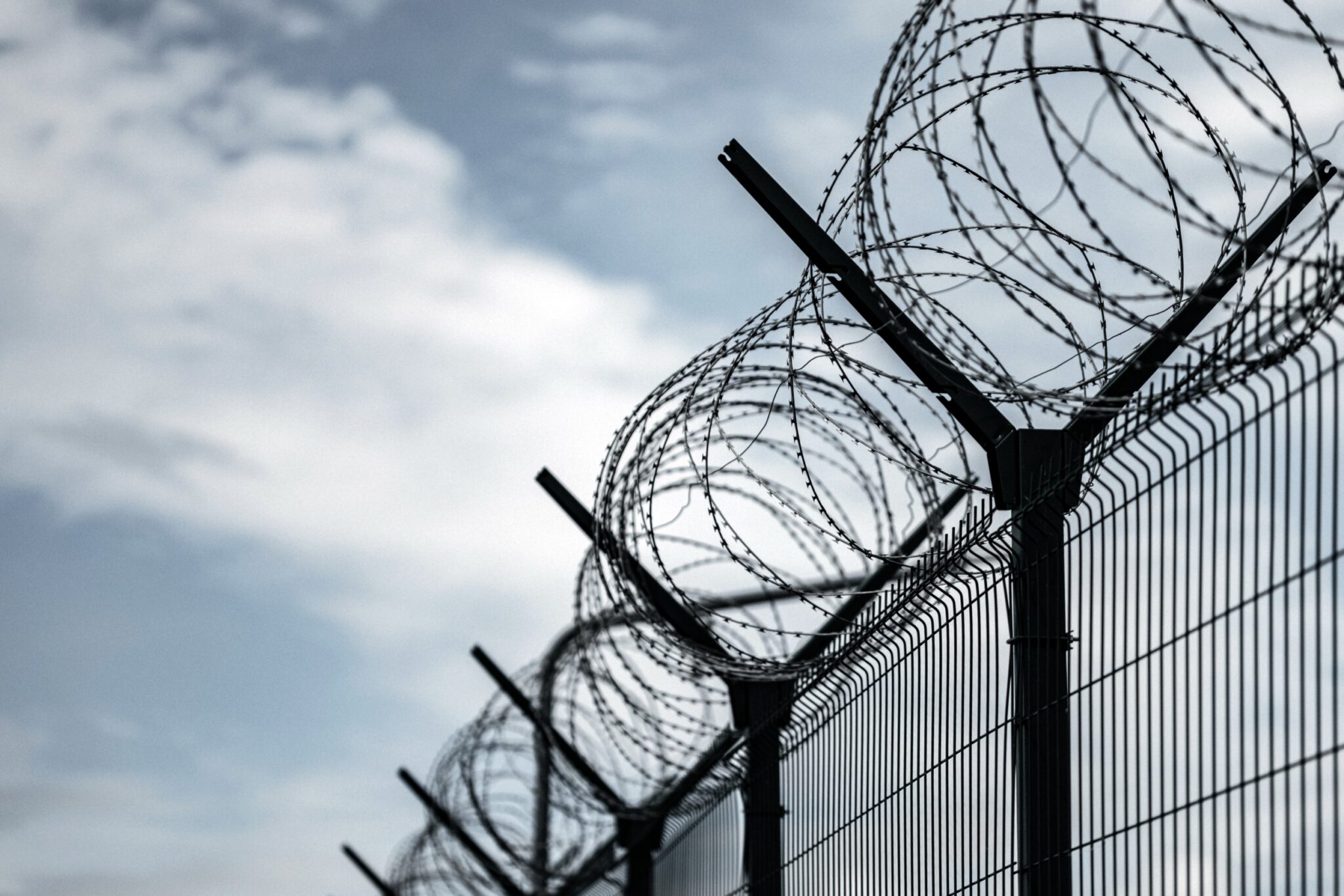
FCC Chairman Brendan Carr said contraband cell phones pour into prisons by the thousands each year, with estimates indicating up to 500,000 inmates nationwide have regular access to these devices.
Carr mentions 2024 shooting incident
Carr referenced a 2024 shooting where an incarcerated gang leader directed a drive-by shooting that killed two 13-year-old boys at a birthday party.
CTIA warns of interference risks
CTIA said the pilot test shows jamming technology risks blocking lawful communications while failing to block a significant portion of contraband device communications.
FCC allows targeted jamming
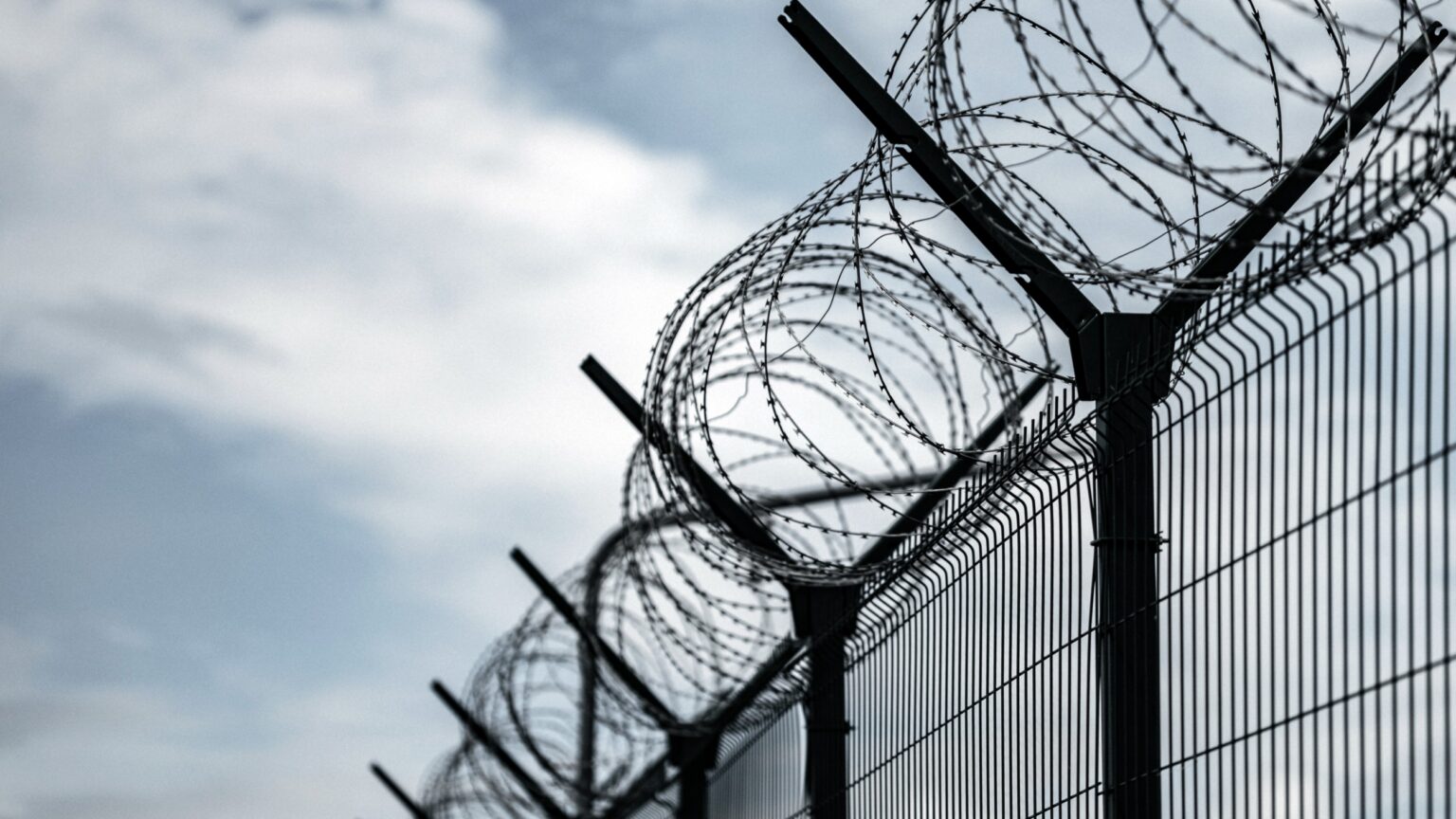
The FCC approved the jamming order at its meeting, authorizing state and local prisons to use targeted jamming against contraband cell phones for the first time.
FCC prohibits jamming by non-federal entities
The Communications Act prohibits willful or malicious interference with licensed or authorized radio communications, and the FCC has previously interpreted this to prohibit non-federal entities from using jamming technology at prisons.
FCC chairman cites phone misuse risks
Carr said contraband cell phones are used to plan scams, drug trafficking, and violent attacks, including the 2024 shooting that killed two 13-year-old boys.
FCC Democrat expresses concerns
FCC Democrat Commissioner Anna Gomez said she’s concerned about potential unintended consequences but voted with Republicans to allow jamming after safeguards were added to the order.
Gomez cites risks of jamming
Gomez said jamming can prevent devices from completing 911 calls and interfere with communications networks used by fire, police, and emergency medical services.
Gomez worries about pricing
Gomez partially dissented because she’s worried the FCC will let correctional facilities charge higher prices for inmate calling services that connect inmates with family members.
Wireless carriers warn of problems
AT&T disputed the FCC’s legal justification, saying there is no way to limit jammer reach to prison facilities and that jammers block all wireless communications on affected spectrum bands.
At a glance
FCC allows state prisons to jam contraband cellphones after tests confirmed jammers block 911 calls and lawful communications.
Read the TL;DR — this story on one card.