From Ars Technica · · 5m
Router failure grounds 12,000 flights nationwide
A misconfigured Juniper router installed without proper FAA oversight caused the third nationwide ground stop, raising questions about modernization oversight and risk assessment.
In brief
A misconfigured Juniper router installed without proper FAA oversight caused the third nationwide ground stop, raising questions about modernization oversight and risk assessment. A router installation at an Arkansas radio site without proper FAA risk assessment caused a nationwide ground stop affecting over one…
Nationwide ground stop blocks flights
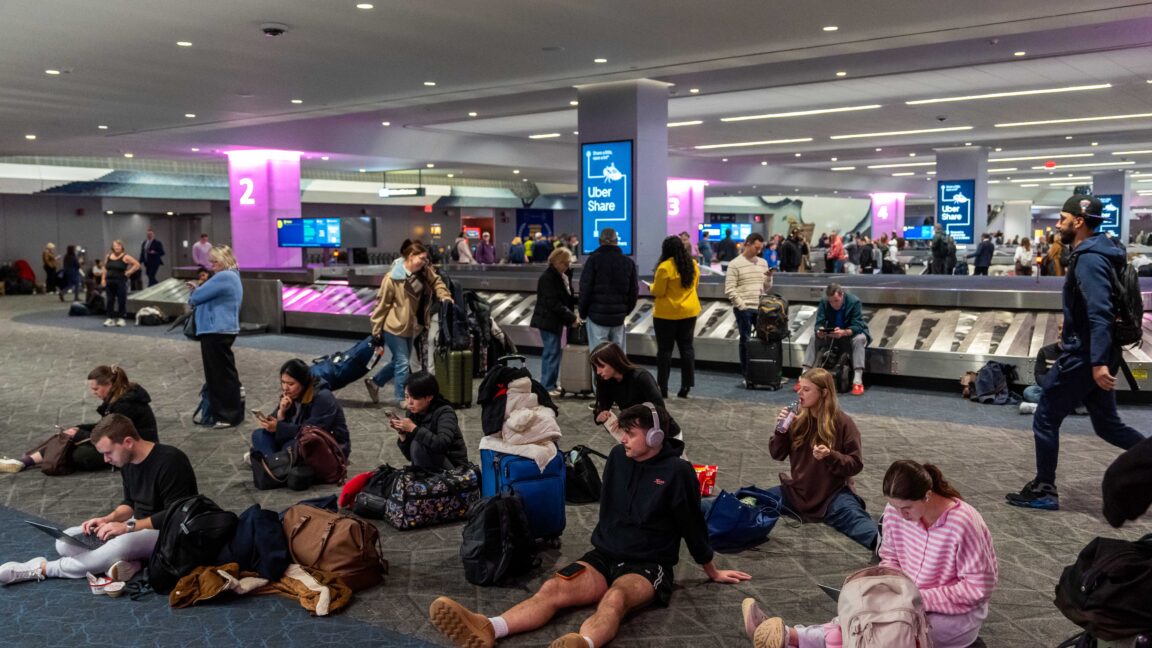
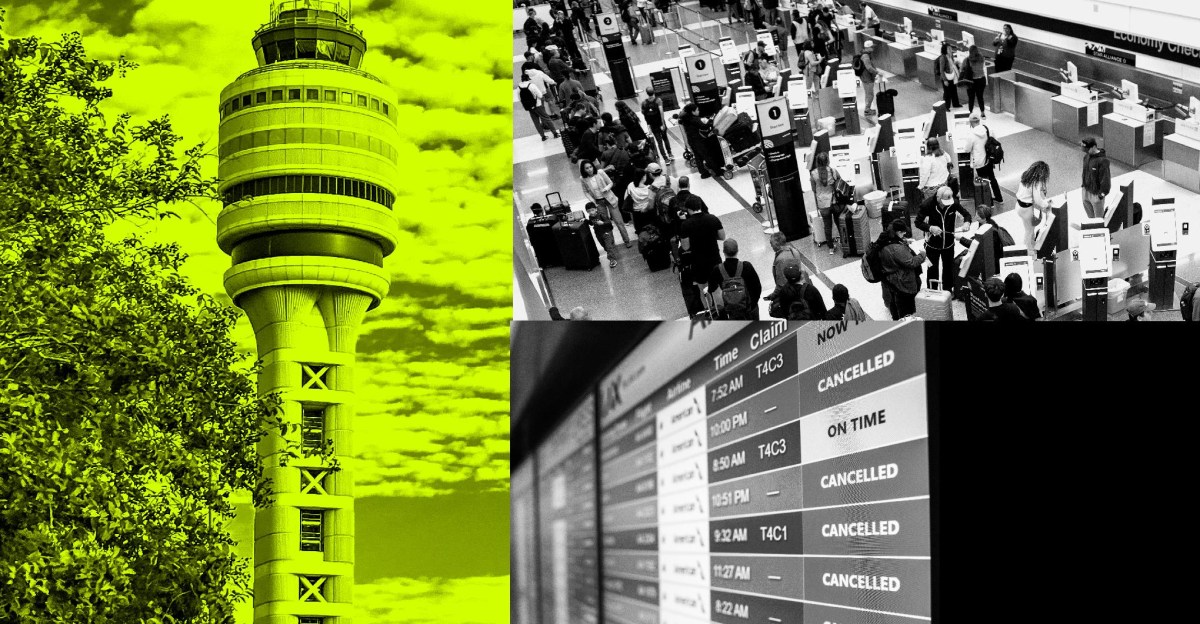
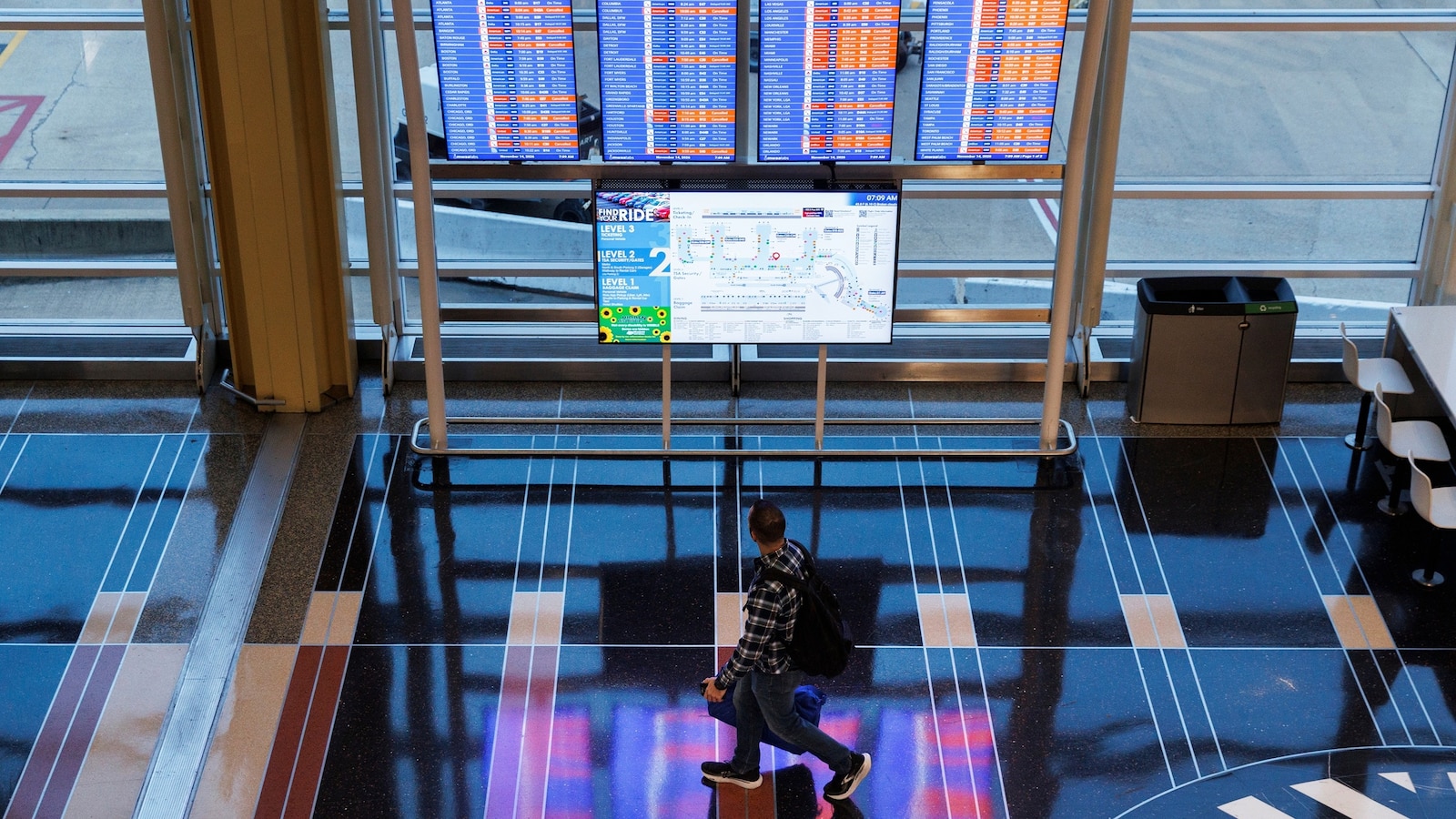
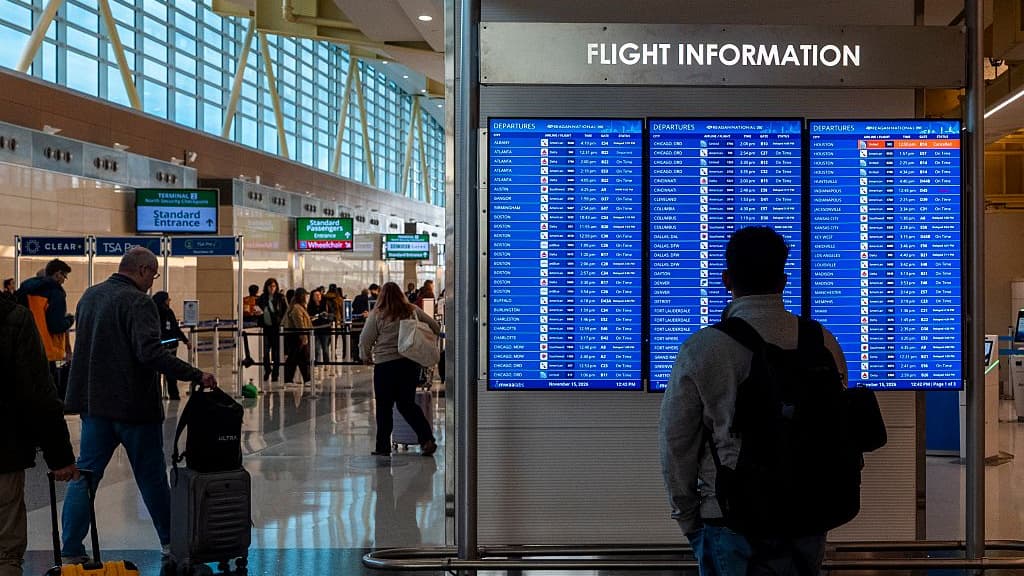
A router outage caused the third-ever nationwide ground stop by the FAA on Friday, November thirteen, blocking departures and impacting more than one million passengers for over four hours.
Twelve thousand flights canceled
More than twelve thousand flights were canceled on November thirteen alone, with the number rising to more than twenty thousand over the weekend as stranded travelers scrambled for accommodations.
Root cause announcement expected
FAA Administrator Bryan Bedford told reporters investigators are very close to figuring out the root cause. Transportation Secretary Sean Duffy plans to announce findings at a news conference as soon as Friday, November twenty.
“very close”
Data flooding overwhelmed network
Data began flooding the FAA Telecommunications Infrastructure network with one thousand connection attempts every four to five seconds, according to an FAA Q and A post on November fifteen.
Instability spread across control centers
The data flooding caused instability with aircraft communications and radar feeds at seventeen of the twenty-two Air Route Traffic Control Centers managing en-route air traffic across the country.
Two sites identified as source
An initial FAA investigation identified a radar site in Amarillo, Texas, and a radio communications site in El Dorado, Arkansas, as the reason for the excessive data flooding the systems.
Juniper router replaced old Cisco
L3Harris, the FAA's network service provider, was installing a new Juniper Networks router to replace a twenty-five-year-old Cisco router at the El Dorado site when the incident occurred.
FAA paused further installations
The incident prompted the FAA to pause installation of the Juniper routers and turn off those already installed, falling back on the older Cisco routers, according to the Associated Press.
FAA technicians not involved
The Professional Aviation Safety Specialists union representing FAA technicians said none of its members were involved in the upgrades that led to the ground stop, breaking from historical protocol.
Contractor worked without oversight
CNN reported the router replacement at El Dorado was done by an L3Harris engineer without direct FAA oversight. An FAA technician merely escorted the contractor and then turned attention elsewhere.
Work done during peak traffic hours
Philip Mann, a former FAA technician and current principal consultant at Vector Strategic Consulting, said the work was done during daytime when traffic was heaviest, violating standard risk management practice.
Physical location confused with network reach
Transportation Secretary Sean Duffy acknowledged the FAA confused the physical location of the facility with how far the system could reach within the national airspace system, having it completely backward.
Risk assessment was inadequate
Mann said basic impact analysis and risk management appear to have been completely absent. Duffy has conceded the FAA did not do a sufficient risk assessment of the installation.
Modernization effort raises questions
The router installation was part of an ongoing FAA effort to modernize the national airspace system. The incident raises questions about whether modernization is being done with proper oversight of private contractors.
Duffy seeks fifty billion dollars
Transportation Secretary Sean Duffy is saying the FAA needs fifty billion dollars to prevent this from happening again, but Mann argues the issue was oversight, not funding.
The takeaway
A router installation at an Arkansas radio site without proper FAA risk assessment caused a nationwide ground stop affecting over one million passengers on November thirteen, grounding more than twelve thousand flights.
Read the TL;DR — this story on one card.