From Ars Technica · · 1m 50s
Scientists crack the code on ancient Herculaneum scrolls
Researchers made their own charred papyrus scrolls to find which ancient texts are easiest to read.
In brief
Researchers made their own charred papyrus scrolls to find which ancient texts are easiest to read. Lead-based ink makes ancient scrolls far easier to read using X-ray imaging, and even a handheld scanner can identify the best candidates. Originally reported by Ars Technica.
Creating model scrolls for science
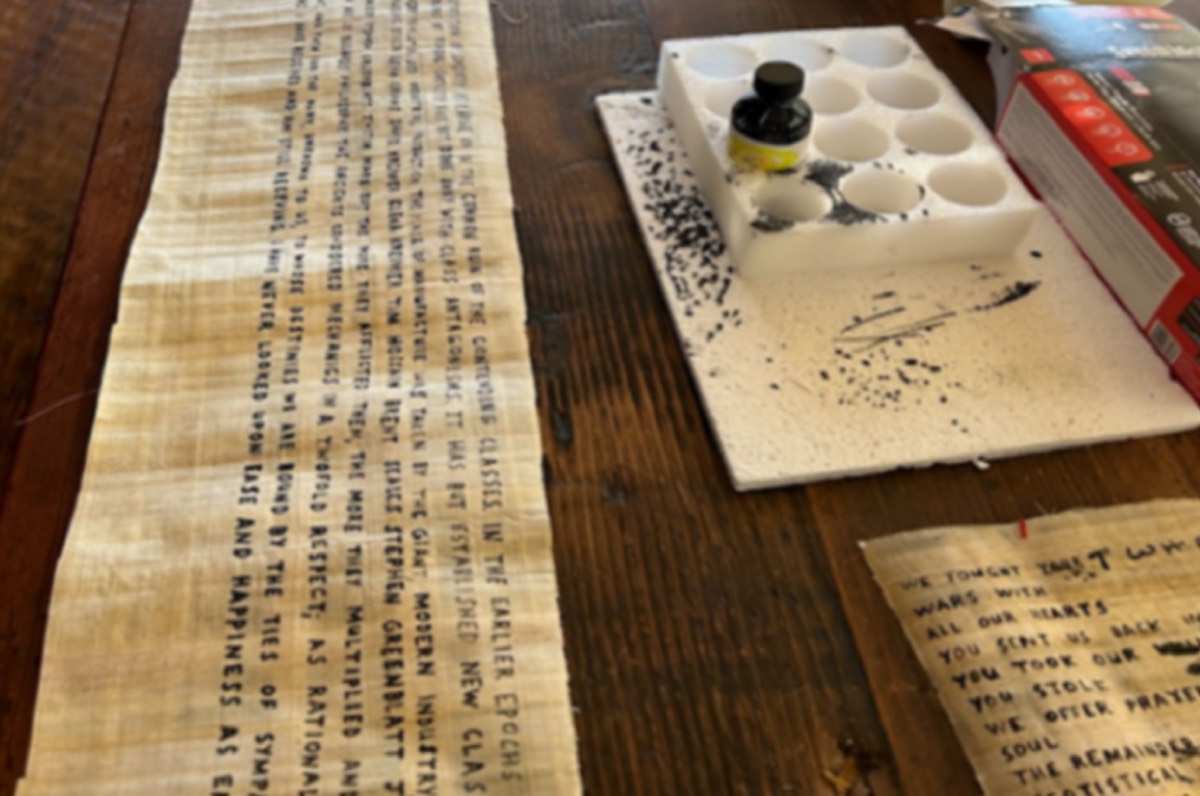
Researchers made their own papyrus scrolls and charred them to test which ancient Herculaneum scrolls contain lead-based ink.
Mount Vesuvius buried a library
The 79 AD eruption destroyed Herculaneum, but hundreds of papyrus scrolls survived, charred into carbon by volcanic gas.
A philosopher's personal collection
Over 600 scrolls were found in one room, believed to be the working library of Epicurean philosopher Philodemus.
Virtual unrolling saves fragile texts
Brent Seales at the University of Kentucky developed software to digitally unroll scrolls too fragile to touch.
Carbon ink creates a problem
The Herculaneum scrolls used carbon-based ink on charred papyrus, making X-ray imaging nearly impossible due to low contrast.
Lead ink offers a solution
In 2016, scientists found lead in two scroll fragments, suggesting some scrolls might be written with lead-based ink.
High schoolers inscribe test scrolls
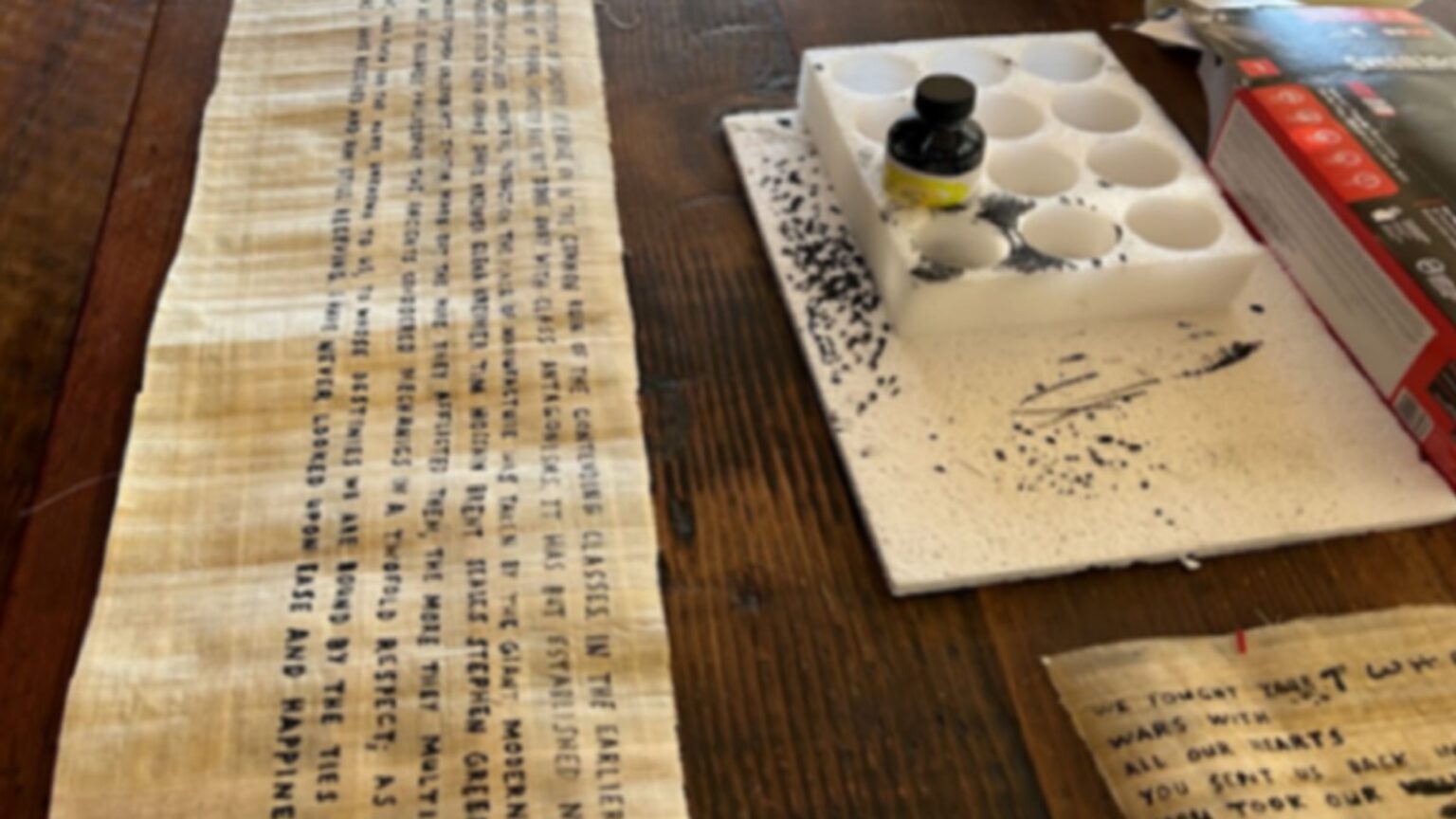
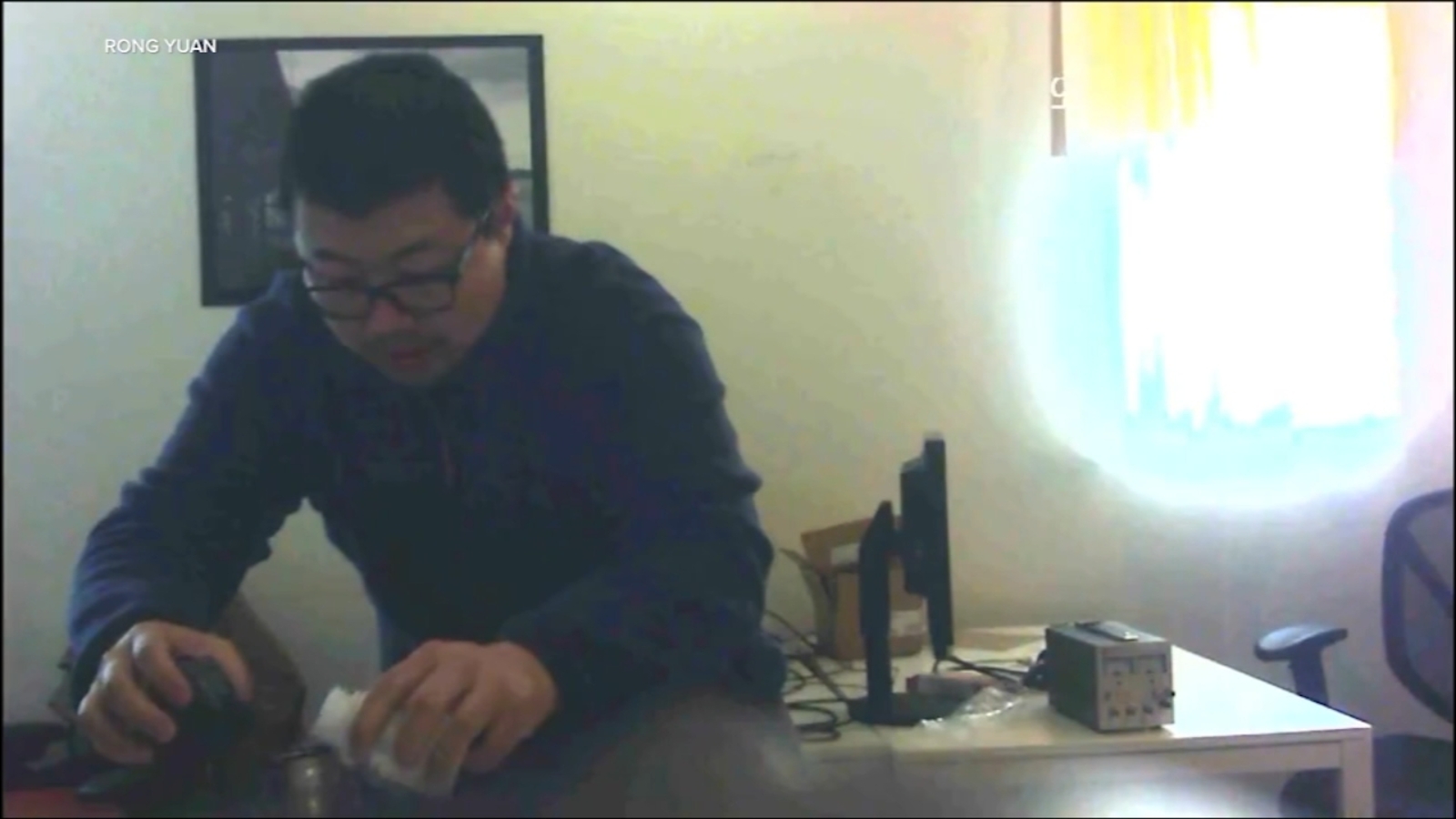
Students wrote quotes from the Bible, Star Wars, and The Outer Limits on papyrus using inks with varying lead concentrations.
Charring mimics the original disaster
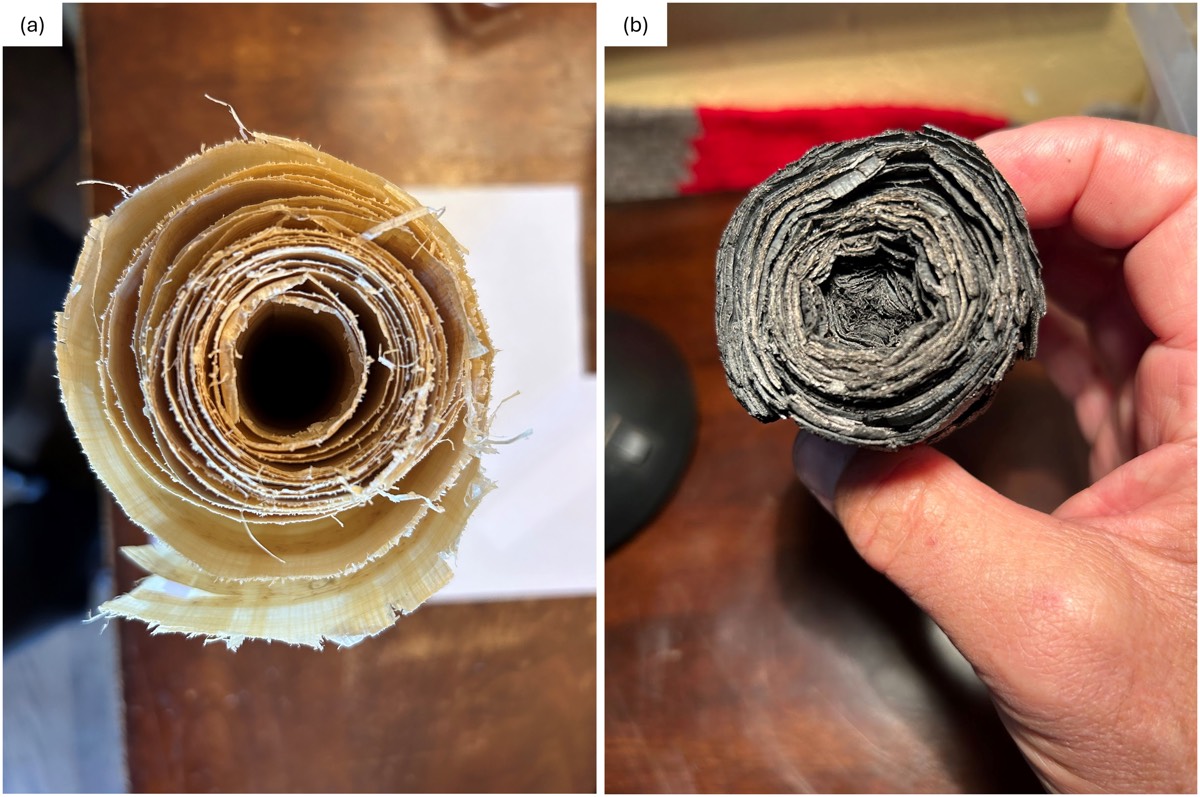
The team carbonized their model scrolls in a high-temperature furnace to replicate the conditions at Herculaneum.
Lead makes letters light up
X-ray scans of the charred models revealed text clearly. "The letters lit up like a Christmas tree," said Douglas Seiler.
“The letters lit up like a Christmas tree.”
The Vesuvius Challenge progresses
The project awarded $700,000 in 2024 for readable text. This year, one scroll was read in full, revealing a treatise on ethics.
A simple scanner speeds the work
Even a handheld X-ray fluorescence scanner can identify which scrolls contain lead and are worth analyzing further.
“With lead in the ink, you would get a huge friggin' signature, so you really need to be looking for scrolls with lead in them.”
The main idea
Lead-based ink makes ancient scrolls far easier to read using X-ray imaging, and even a handheld scanner can identify the best candidates.