From Ars Technica · · 2m
Scientists recreate the Liberty Bell's lost sound
Penn State researchers used a replica to model what the cracked bell sounded like before it fell silent 180 years ago.
In brief
Penn State researchers used a replica to model what the cracked bell sounded like before it fell silent 180 years ago. Penn State researchers modeled the Liberty Bell's acoustic properties using a replica, revealing the frequencies it would have produced before cracking permanently in eighteen forty-six. Originally…
A silent bell for 180 years
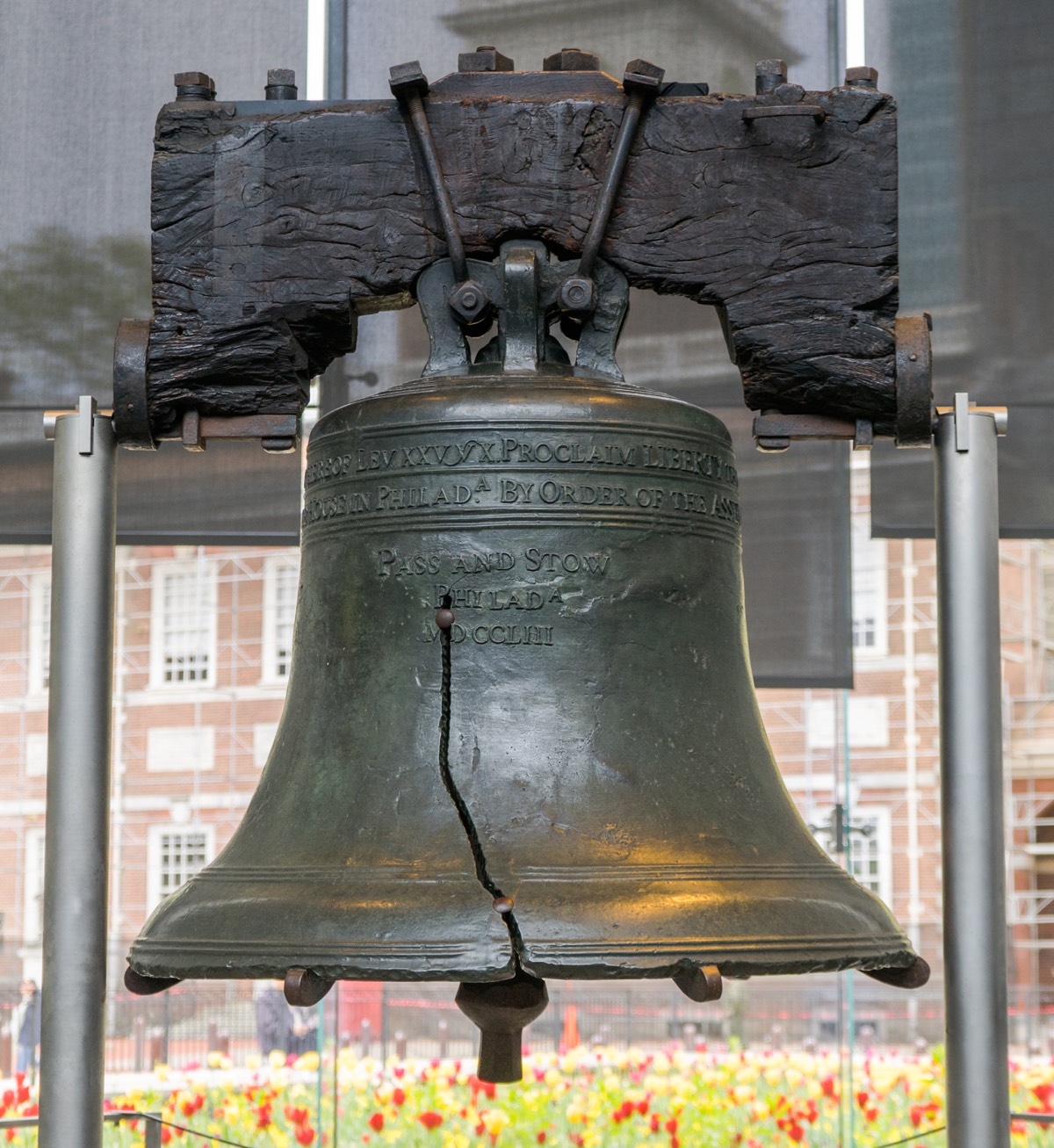
The Liberty Bell hasn't been rung in one hundred eighty years, but Penn State University researchers have now modeled what it sounded like when it rang.
When the crack happened
Historians aren't sure exactly when the Liberty Bell cracked, only that it occurred sometime between eighteen seventeen and eighteen forty-six.
The bell fell silent forever
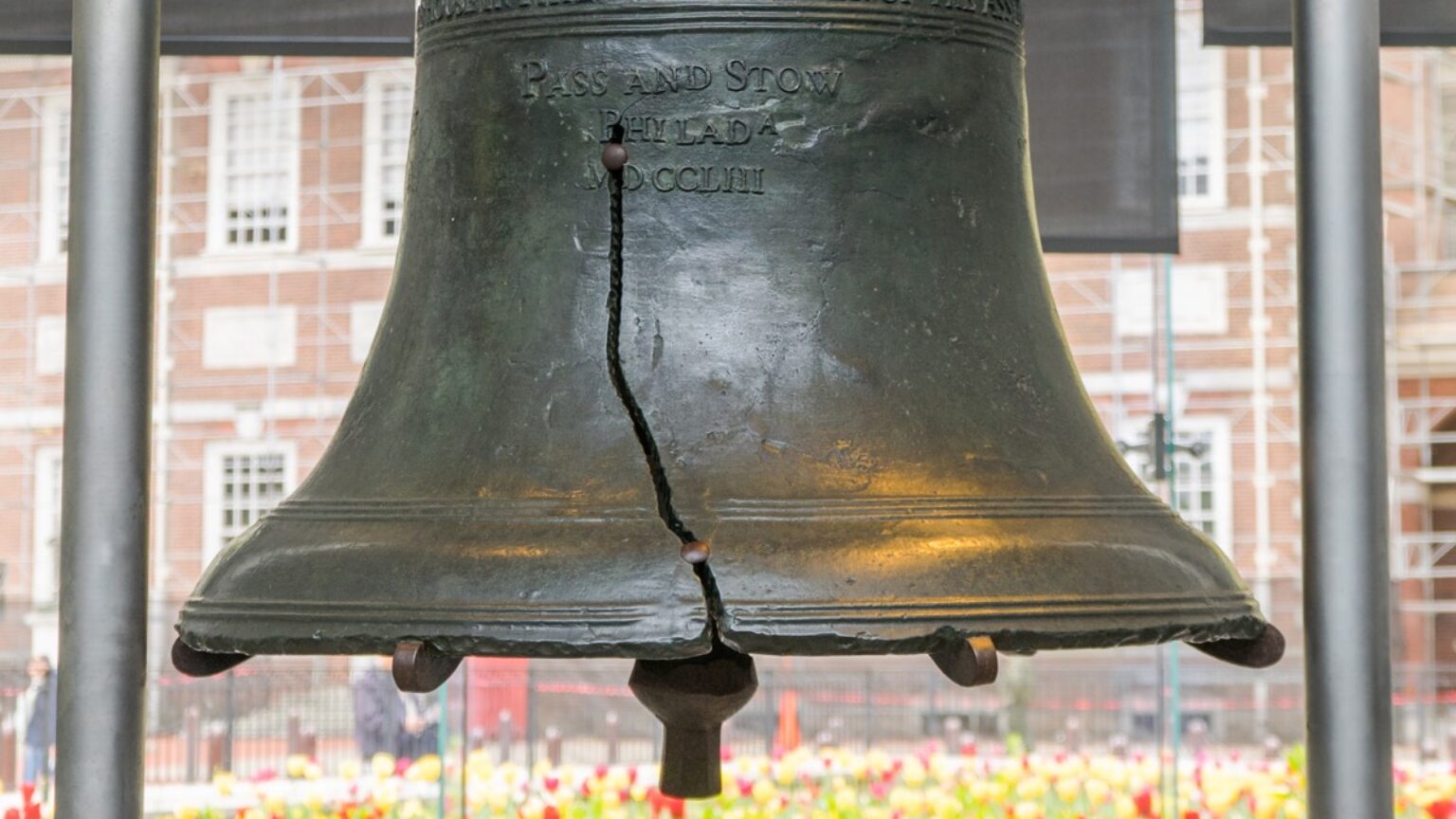
The February twenty-third ringing extended the crack so much that the bell now hung irreparably cracked and forever dumb. Nobody has heard it ring since.
“the old Independence Bell … now hangs in the great steeple irreparably cracked and forever dumb.”
A brittle alloy prone to cracking
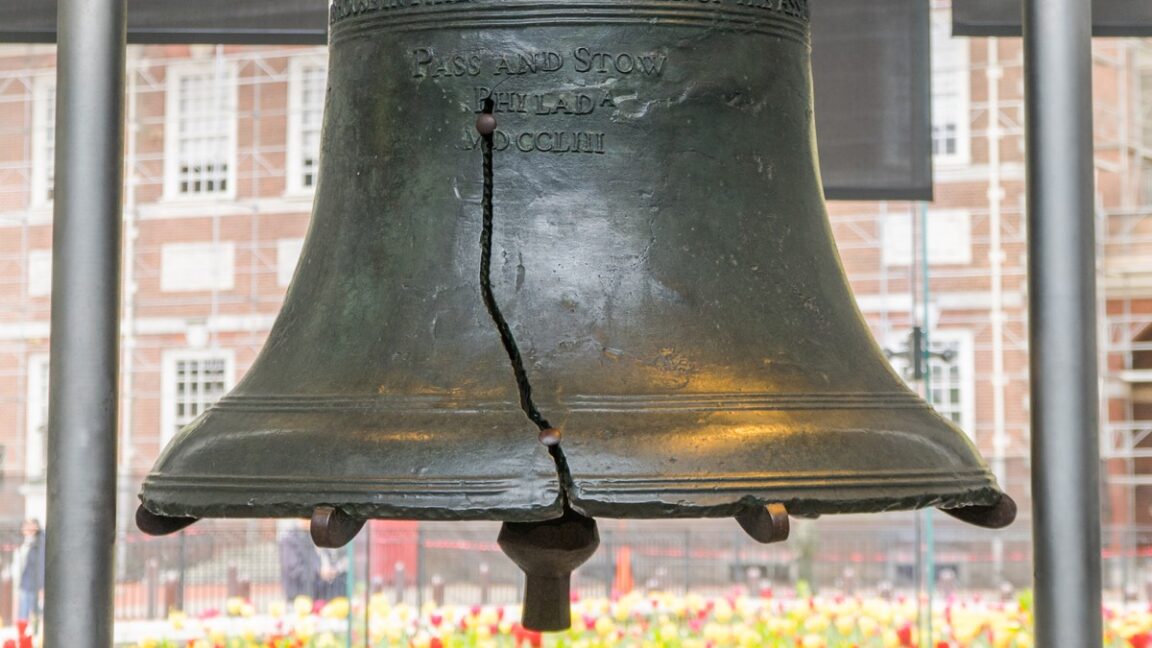
A nineteen seventy-five study revealed the Liberty Bell's metals formed an extremely brittle alloy that made it easier for souvenir collectors to chip pieces from the rim.
“an extremely brittle alloy”
How bell sound works
A bell's sound is determined by its geometry, which determines vibration patterns, and its material, which determines pitch and duration. Western church bells are typically tuned to five normal frequencies.
Testing the Penn State replica
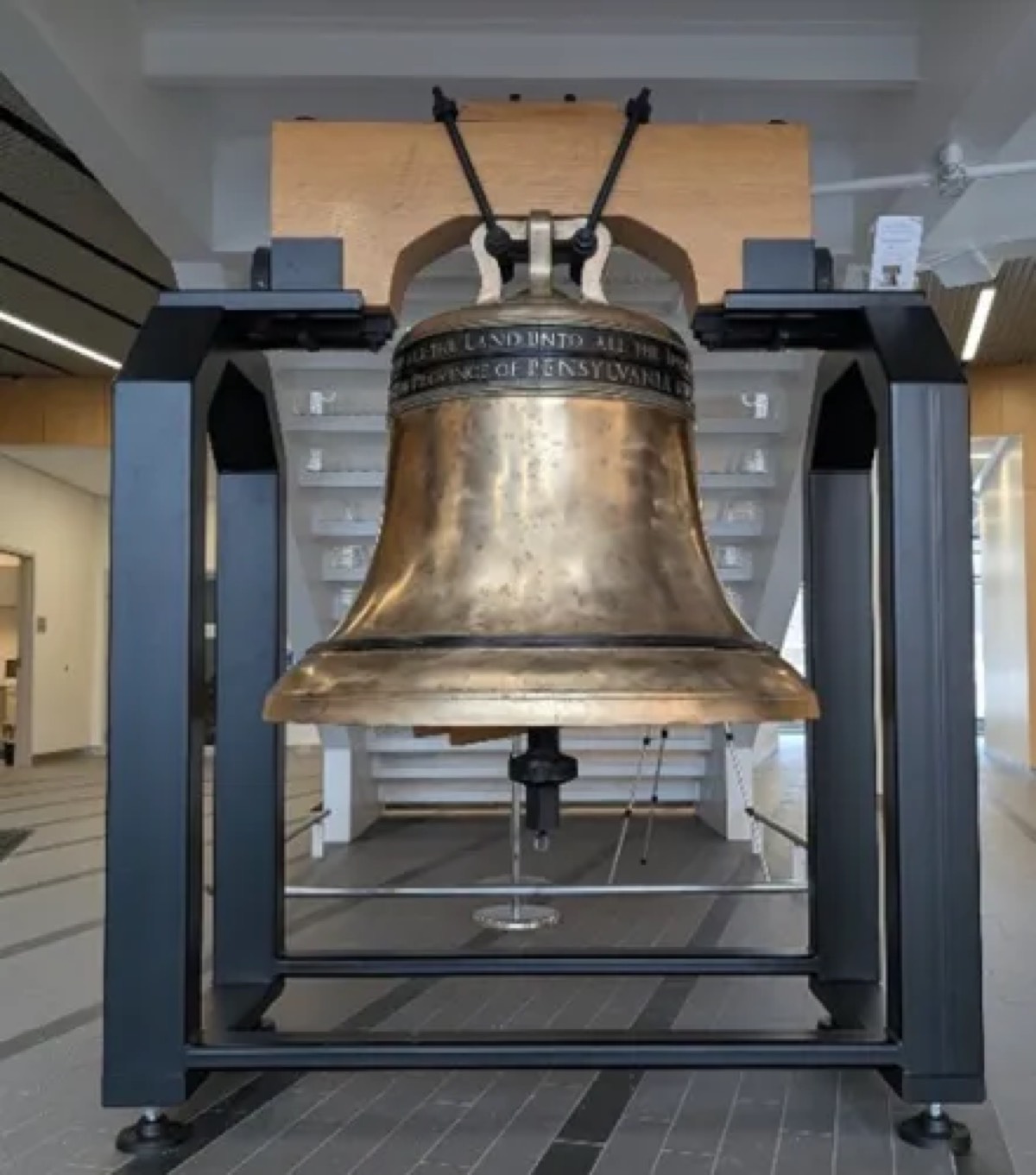
Researchers glued accelerometers to the Penn State Behrend replica and tapped it with a hammer equipped with a force gauge to measure its vibrational frequencies and mode shapes.
The replica's five frequencies
The replica's hum note was one hundred seventy-four hertz, fundamental was three hundred twenty-three hertz, tierce was three hundred eighty-one hertz, quint was five hundred ten hertz, and nominal was six hundred twenty-three hertz.
Close to ideal tuning
The ratios of the replica's frequencies fell very close to those of an ideally tuned bell, and its mode shapes matched those of typical Western church bells.
Casting differences remain uncertain
The twentieth-century bell-making processes used to cast the replica differed from eighteenth-century methods used for the original, making it harder to predict whether loss factors would have matched.
What to remember
Penn State researchers modeled the Liberty Bell's acoustic properties using a replica, revealing the frequencies it would have produced before cracking permanently in eighteen forty-six.





