From Ars Technica · · 1m 50s
Scientists solve 1840s space weather mystery
Researchers correct a 30-year-old Nature report that misplaced a geomagnetic storm by seven years.
In brief
Researchers correct a 30-year-old Nature report that misplaced a geomagnetic storm by seven years. Scientists traced a misidentified eighteen forty-one railway disruption to eighteen forty-eight, revealing the earliest documented case of space weather damaging electrical technology. Originally reported by Ars Technica.
The Carrington Event and earlier storms
The eighteen fifty-nine Carrington Event was long thought the first extreme space weather event. But reports emerged of telegraph disruptions from the late eighteen forties.
An 1841 railway delay claim
An anonymous eighteen seventy-one Nature article described a magnetic disturbance that delayed an express train in Exeter, England in October eighteen forty-one.
The date doesn't match the tracks
Jim Wild of Lancaster University and colleagues found the South Devon Railway between Exeter and Plymouth wasn't approved until July eighteen forty-four and opened May thirty, eighteen forty-six.
Identifying the anonymous author
Wild's team traced the article to Nathaniel John Holmes, an electrical engineer involved in undersea telegraph cables. Holmes lived near Nature editor Sir Norman Lockyer.
No evidence for eighteen forty-one
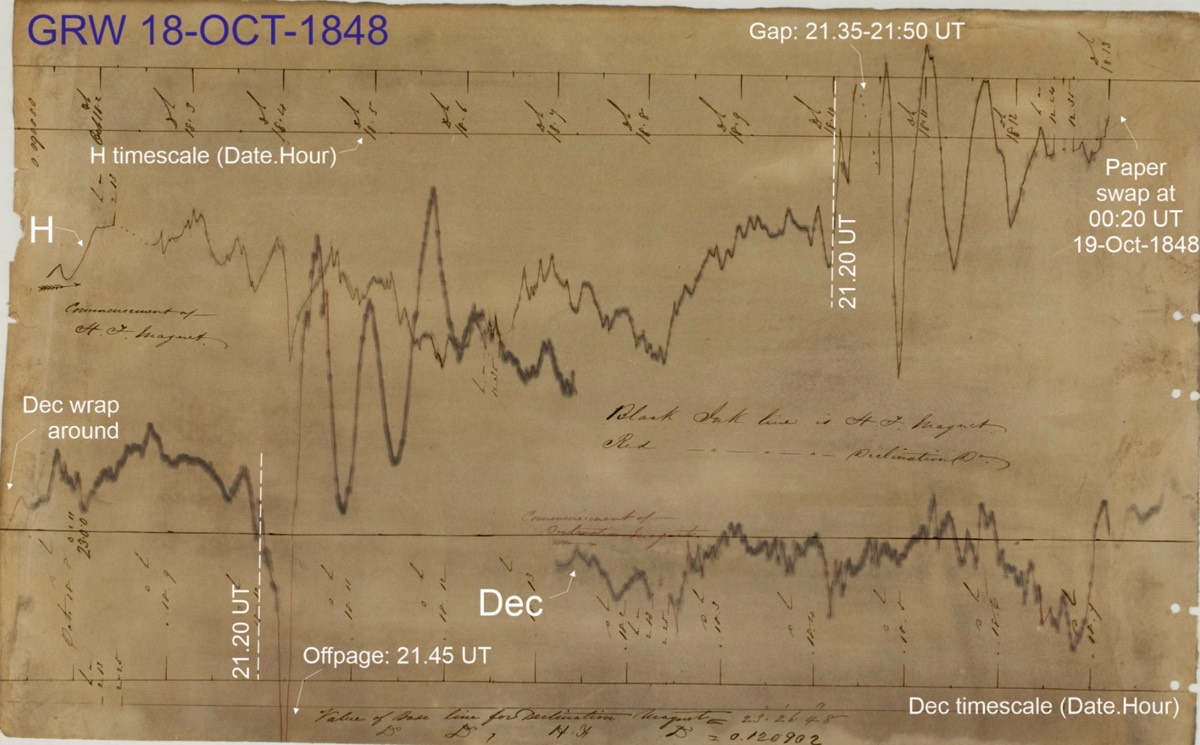
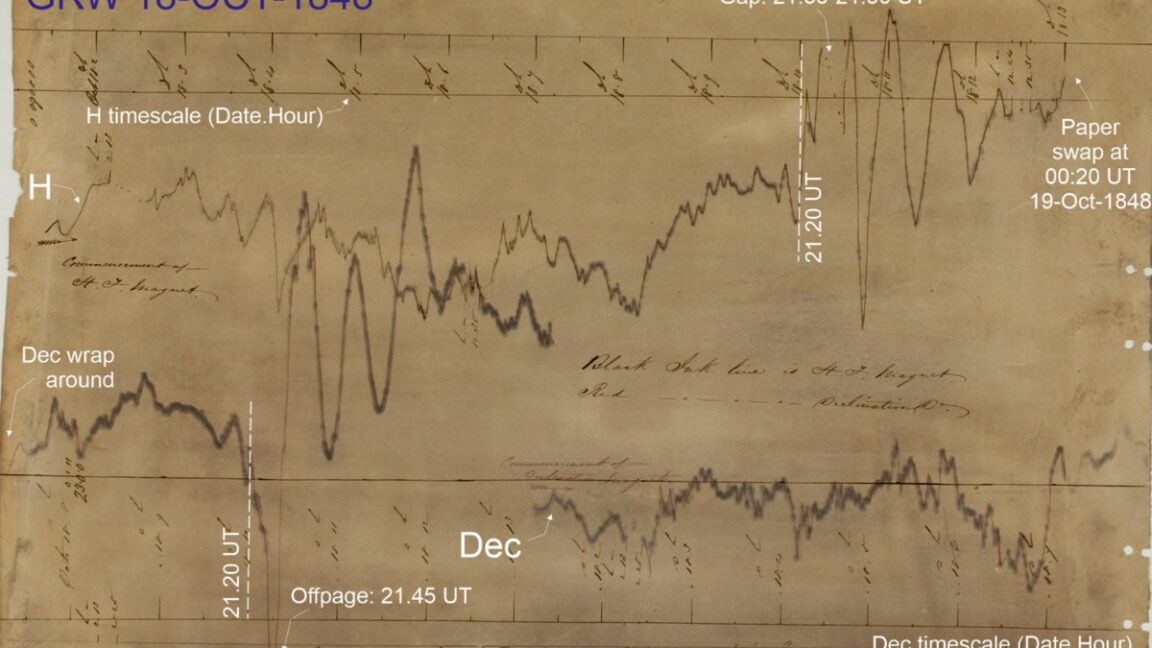
Greenwich Observatory records showed no unusual magnetic activity on October eighteen, eighteen forty-one. But strong geomagnetic storms occurred around October eighteen, eighteen forty-eight.
The typo theory confirmed
Railway timetables showed a ten oh-five pm express train from Exeter ran between March eighteen forty-eight and July eighteen forty-nine. Wild's team concluded eighteen forty-one was a typographical error.
An earlier storm takes the record
With eighteen forty-eight confirmed, the earliest documented space weather affecting technology is a March eighteen forty-seven incident of spontaneous electrical currents disrupting telegraph systems on the Midland Railway.
Why this history matters today
Understanding past geomagnetic storms helps scientists predict and mitigate damage from future events. A storm like Carrington today would cripple power grids and satellite communications.
“Space weather is often discussed as a modern challenge because of our dependence on technologies such as satellites, communications systems and electricity networks.”
The bottom line
Scientists traced a misidentified eighteen forty-one railway disruption to eighteen forty-eight, revealing the earliest documented case of space weather damaging electrical technology.