From Ars Technica · · 2m
Seagate revives hybrid drives as storage prices soar
Seagate's new FireCuda Forge combines a large hard drive with a user-supplied SSD, betting that rising storage costs make hybrid drives viable again.
In brief
Seagate's new FireCuda Forge combines a large hard drive with a user-supplied SSD, betting that rising storage costs make hybrid drives viable again. Seagate launched FireCuda Forge hybrid drives combining HDDs with user-supplied SSDs, reviving a format abandoned when storage got cheap, as AI-driven price increases…
Seagate launches hybrid storage
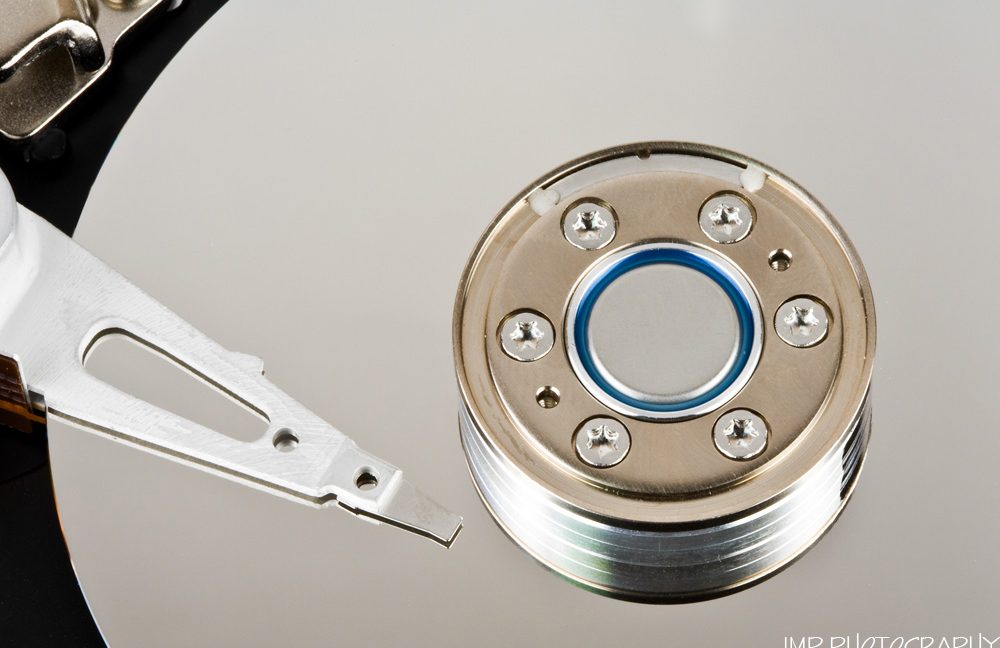
Seagate announced the FireCuda Forge, combining a traditional hard drive with a user-supplied solid-state drive. The new hybrid is powered by Seagate's Alkemi intelligent storage platform.
Two capacity options available now
FireCuda Forge comes in eight terabyte for six hundred ninety-nine dollars or twenty terabyte for eight hundred ninety-nine dollars. Neither includes the required SSD, which users must supply separately.
Specific SSD requirements apply
The drive accepts M.2 two two eight zero NVMe drives at PCIe Gen three or higher, with maximum capacity of one terabyte.
Storage costs have exploded
After hitting historic lows earlier in the decade, storage pricing per terabyte has surged during the AI boom. Some solid-state drives now cost two to three times their historic lows.
Mechanical drives also got expensive
A Seagate Exos twenty-four terabyte drive sold for two hundred ninety-eight dollars ninety-nine cents in summer two thousand twenty-five but cost six hundred ninety-nine dollars ninety-nine cents by August two thousand twenty-six.
Hybrids were abandoned when SSDs got cheap
Hybrid drives peaked in the early to mid two thousand tens. Apple introduced its Fusion Drive in the Mac mini in two thousand twelve, combining a large HDD with a smaller SSD as a single…
Fusion Drive had a critical weakness
If either drive in Apple's Fusion system failed, recovery became difficult because the remaining working drive depended on the broken drive's data to rebuild the full system picture.
Alkemi manages data differently
Seagate says Alkemi learns and adapts to keep high-demand content fast on the SSD while the HDD provides space for growing libraries. It manages data placement directly from the enclosure, not the operating system.
“Alkemi learns and adapts over time to keep high-demand content fast and accessible on a user's SSD, while the HDD provides space for growing libraries.”
Key technical details remain unclear
Seagate has not published documentation on how Alkemi handles drive failure or data distribution on first boot. Until it does, FireCuda Forge raises the same questions Ars asked about hybrid storage years ago.
The essence
Seagate launched FireCuda Forge hybrid drives combining HDDs with user-supplied SSDs, reviving a format abandoned when storage got cheap, as AI-driven price increases make the hybrid model economical again.