From Ars Technica · · 5m
Six science stories that almost got away
A monthly roundup of fascinating research: dark matter hints, quantum entanglement, Martian building materials, ancient drug use, Galileo's telescopes, and Victorian virtual tours.
In brief
A monthly roundup of fascinating research: dark matter hints, quantum entanglement, Martian building materials, ancient drug use, Galileo's telescopes, and Victorian virtual tours. Ars Technica highlights six overlooked scientific stories from September, ranging from potential dark matter detection to evidence of…
Dark matter detector finds a hint
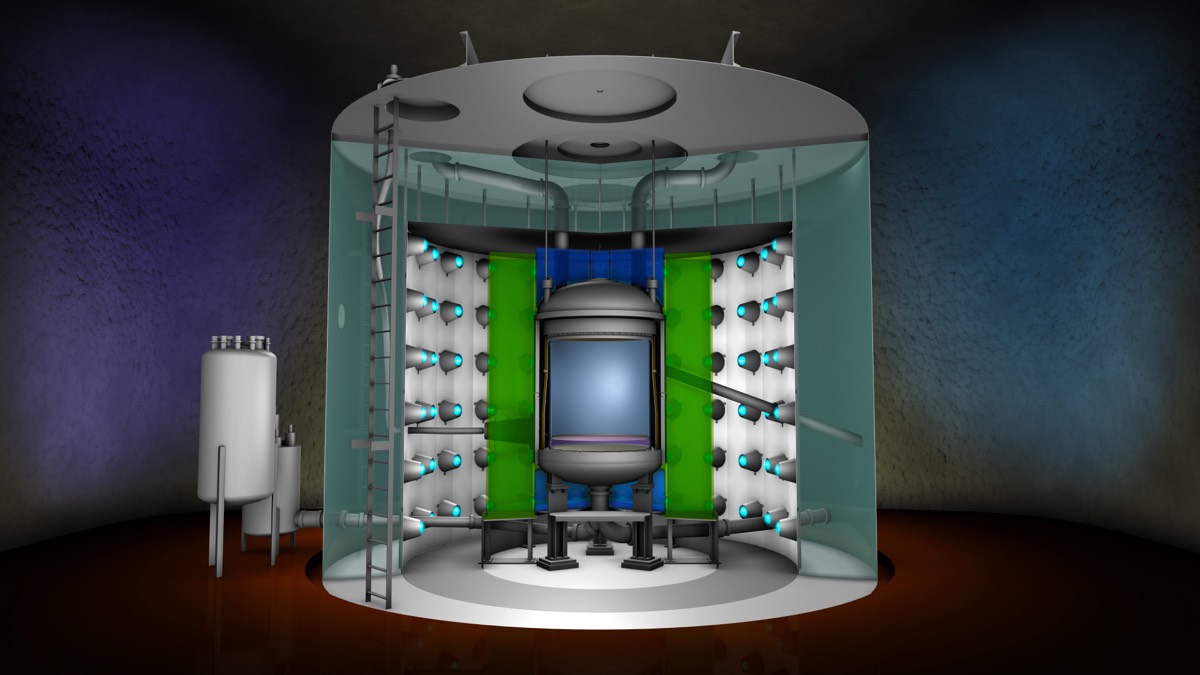
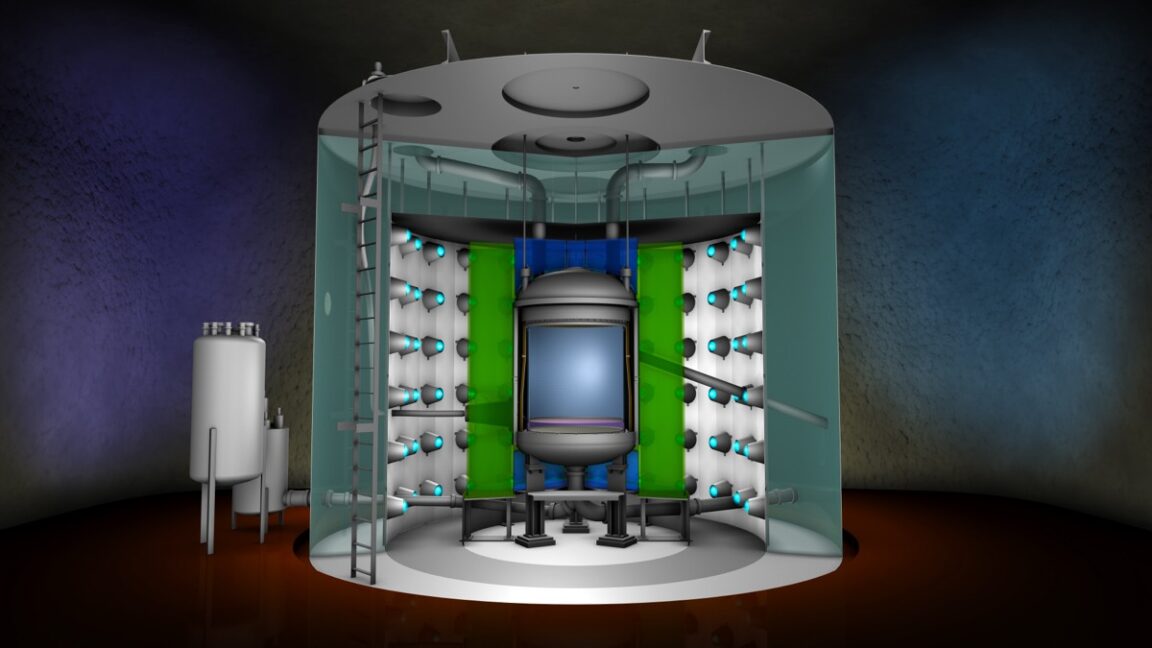
The LUX-ZEPLIN detector buried in a South Dakota gold mine may have spotted a weakly interacting massive particle, or WIMP. Results were presented at the two thousand twenty-six TeV Particle Astrophysics conference in Japan.
But the signal comes with caveats
The signal is well below the threshold needed to confirm discovery and might be a statistical fluke. Past dark matter anomalies have evaporated as more data came in, but the LUX-ZEPLIN team reported it anyway.
The event breaks the expected pattern
The detected particle had higher nuclear recoil energy than physicists predicted. If it was a WIMP, the detector should have also picked up several lower-energy WIMPs, but it did not.
Theorists scramble for new models
Physicists are developing alternative explanations. Perhaps the interaction rate increases with collision energy, or WIMPs have internal structure like atoms, or their coupling to ordinary matter depends on momentum.
Entanglement observed in Z bosons
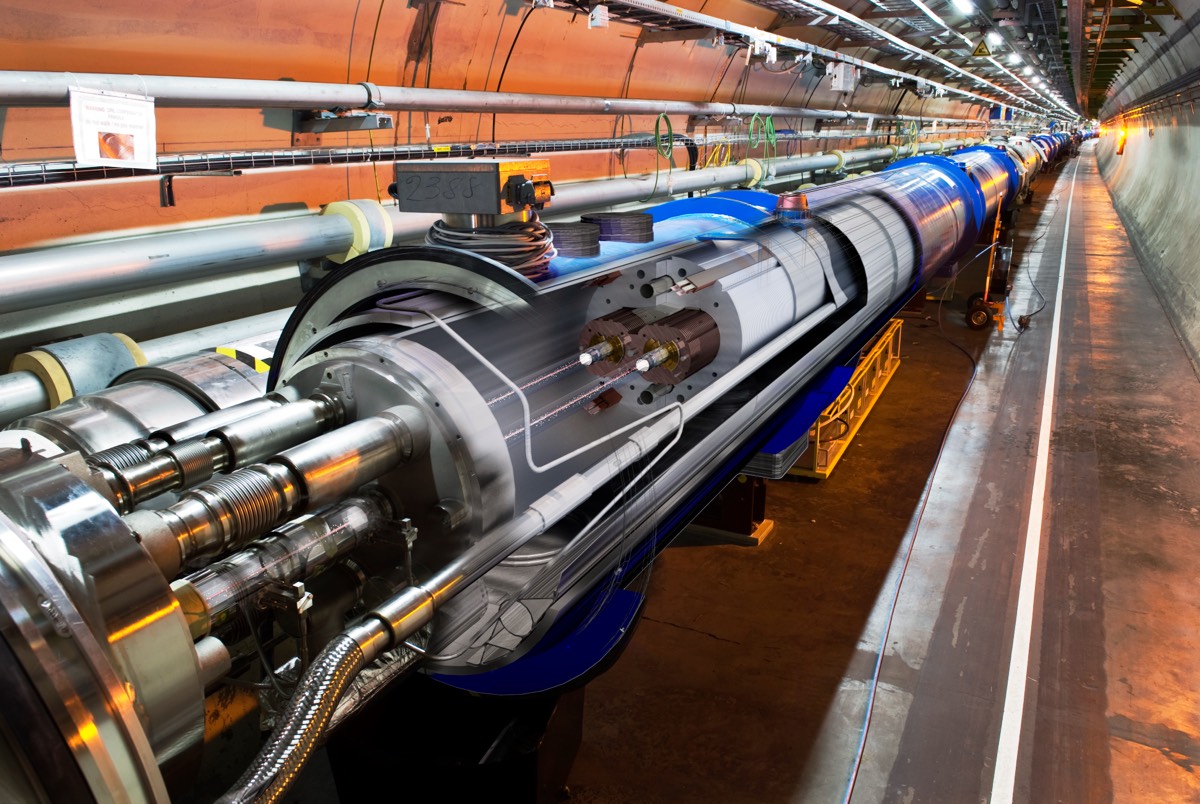
ATLAS physicists at the Large Hadron Collider have observed quantum entanglement in pairs of Z bosons, particles produced when a Higgs boson decays. This is the highest-energy example of entanglement observed to date.
How they detected the entanglement
Z bosons decay into pairs of electrons and muons. The ATLAS detector tracked those decay patterns, then used the angles of emission to reconstruct the spins of the original Z bosons that preceded them.
Yeast and gelatin for Mars homes
Hong Kong engineers combined Martian rocks with terrestrial gelatin and yeast to create a living building material as durable as cheap concrete. Co-author Jishen Qiu drew inspiration from freeze-dried fruits.
The special yeast and how it works
The yeast is coated with sticky proteins similar to those mussels use to adhere to rocky surfaces. Gelatin provides scaffolding for cells to grow, and sand provides structure and mass.
Testing in Martian conditions
The team three-D-printed small domes the size of wine corks in simulated Martian conditions. The mixture freeze-dries after exiting the nozzle, leaving a light, porous foam with compressive strength of ten to twelve megapascals.
Strong enough for Mars structures
The material is strong enough to build one or two-story structures on Earth, where gravity is three times stronger than on Mars. Yeast recovered from dismantled structures could be recycled to build new ones.
Ice Age people chewed psychoactive nuts
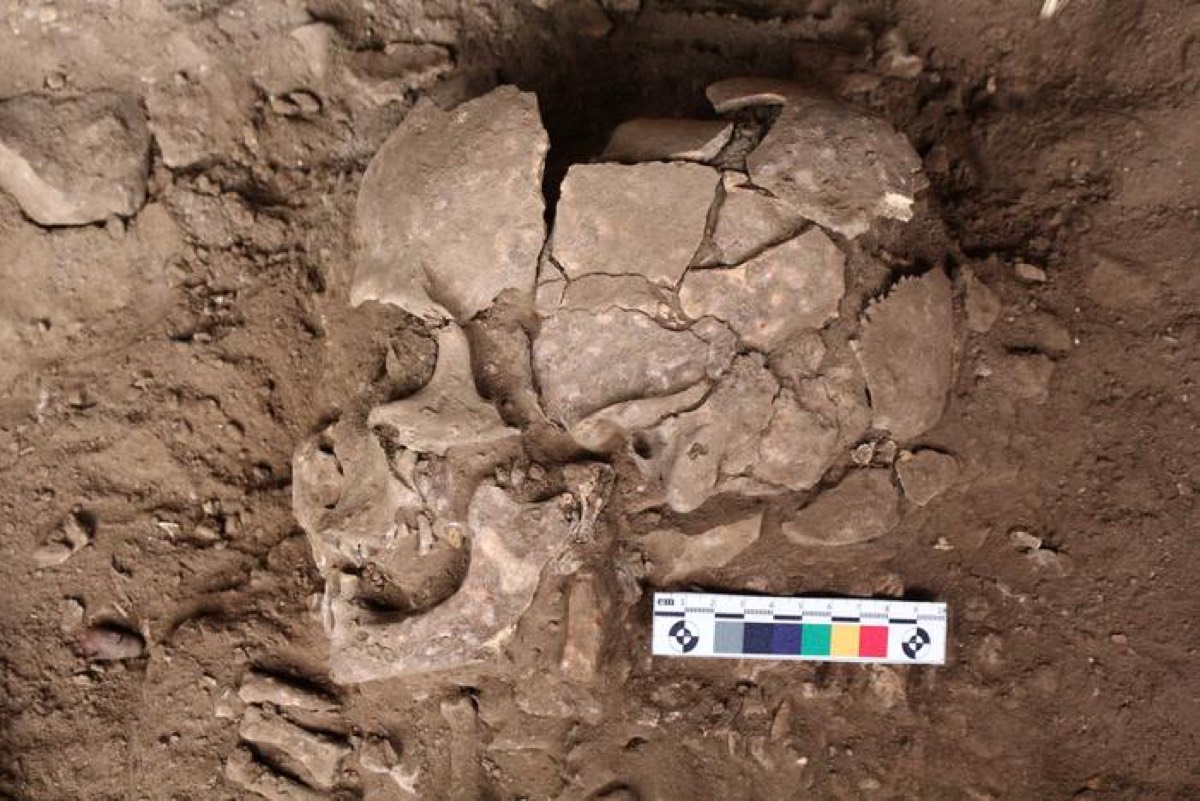
Griffith University archaeologists discovered that humans might have used mind-altering substances by sucking and chewing betel nuts as early as the Late Pleistocene, some twenty five thousand years ago.
Evidence from ancient skeletons
Two rare early human forager skeletons from the Indonesian island of Sulawesi showed deep rounded grooves in their teeth, apparently caused by constantly sucking on whole betel nuts. One dated to twenty five thousand to sixteen thousand years ago.
Pain relief that caused worse problems
Co-author Adam Brumm said the habit may have relieved toothache, since arecoline is a natural analgesic. But the seeds are abrasive and wore down teeth so much that inner pulp chambers were exposed, creating a cycle of continued use.
“So while this habit may have been a remedy for toothache, years of prolonged nut-sucking eventually caused much worse dental health problems, creating a cycle of continued habitual use.”
A lost description of Galileo's telescope
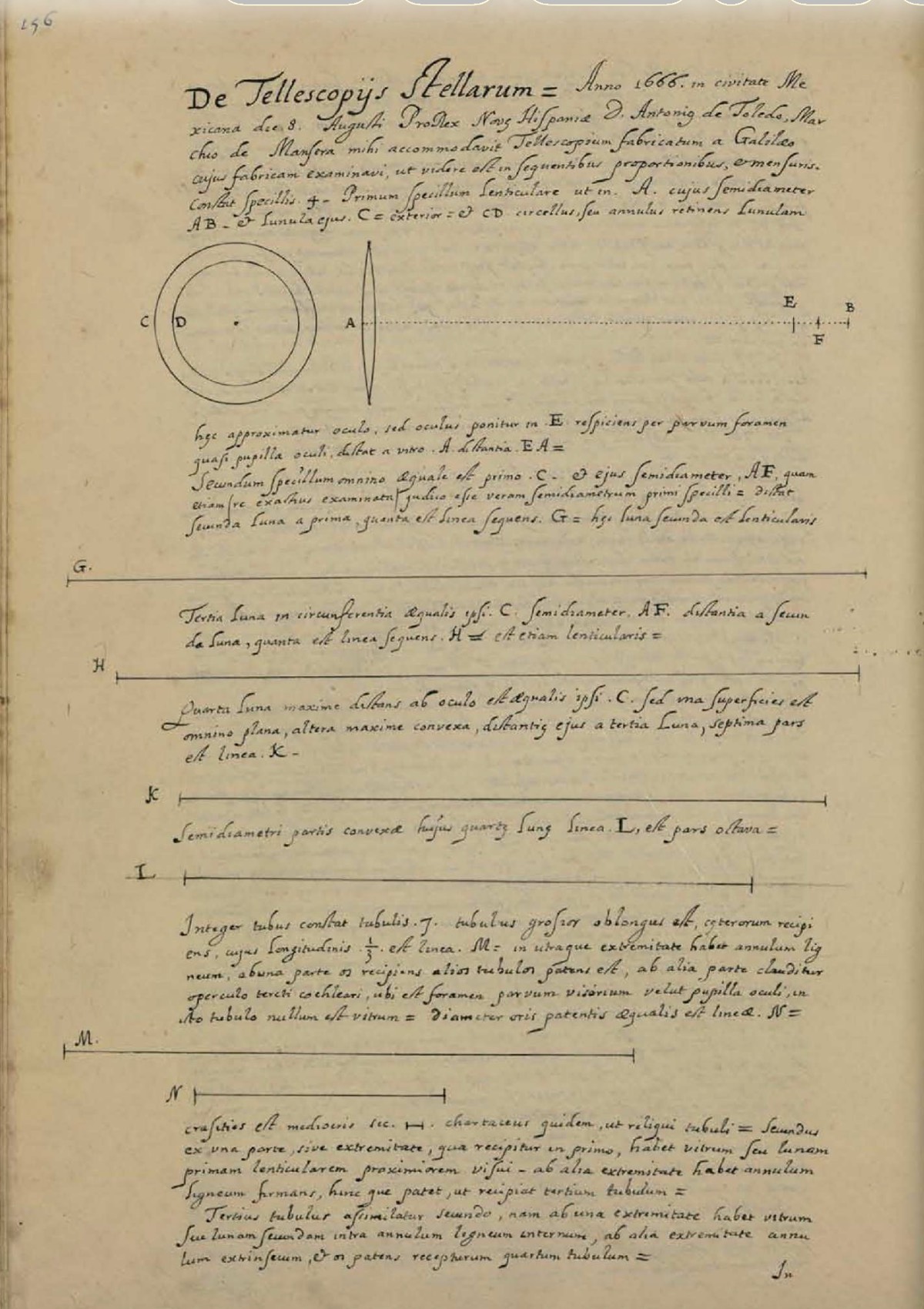
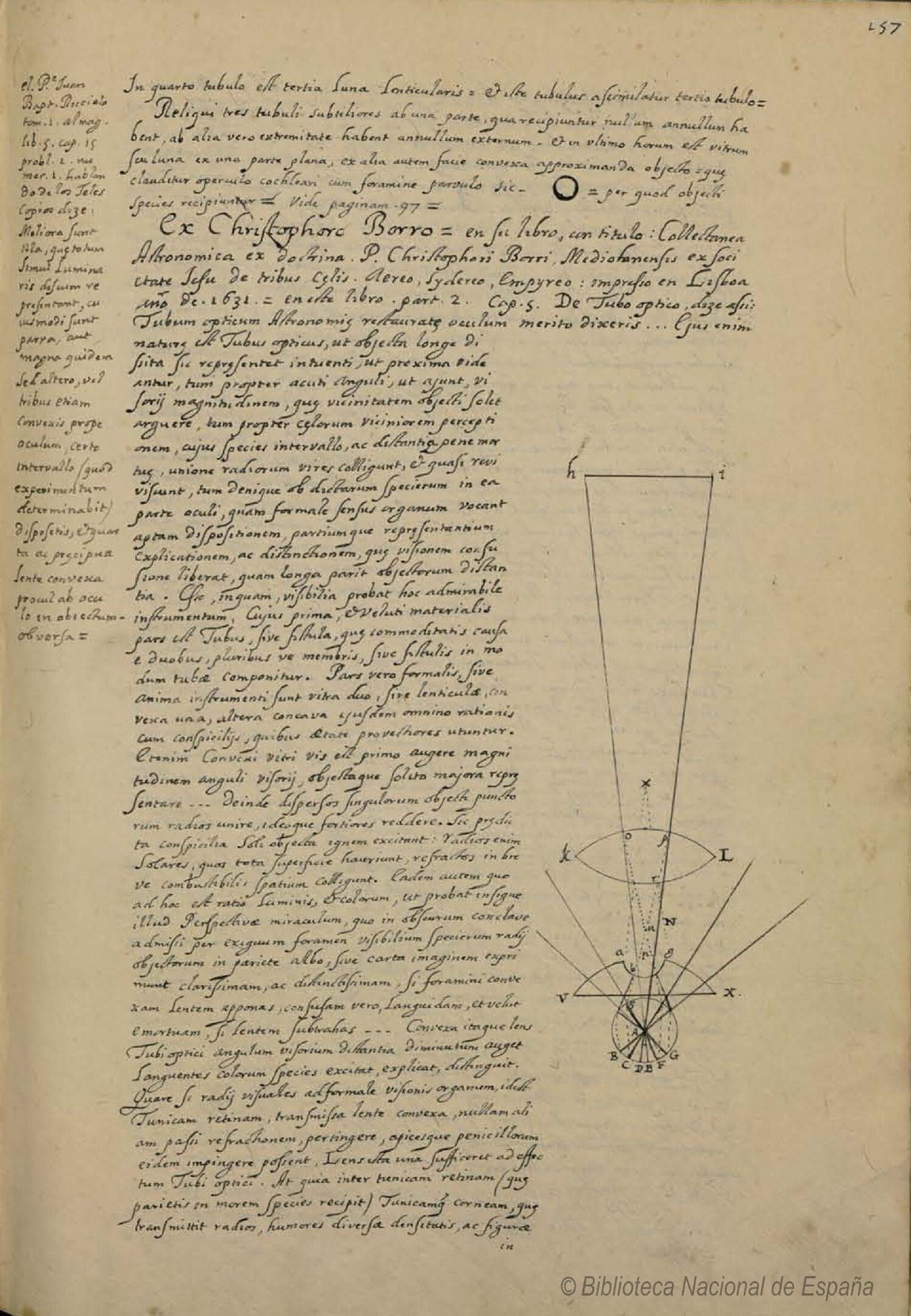
A historian at the University of Limerick in Ireland uncovered a previously unknown seventeen-century description of a four-lens telescope attributed to Galileo in a sixteen sixty-six manuscript written by Spanish Dominican friar Ignacio Muñoz.
The friar's analysis and its purpose
Friar Ignacio Muñoz's text, De Tellescopiis Stellarum, included diagrams and drawings of the instrument. The analysis was specifically requested by the viceroy of New Spain as a test of the friar's scientific expertise.
Galileo's gift to the Spanish king
Muñoz noted that the telescope belonged to the king and was made by Galileo. Galileo had presented Philip IV and his wife with one large and two smaller telescopes while working on the problem of longitude.
An earlier four-lens innovation
The first four-lens telescopes appeared around sixteen forty-three, but if historian Jose Maria Moreno Madrid's analysis is correct, this innovation occurred much earlier, in sixteen thirty at the latest, and could be attributed to Galileo.
Victorian peep shows as real estate tools
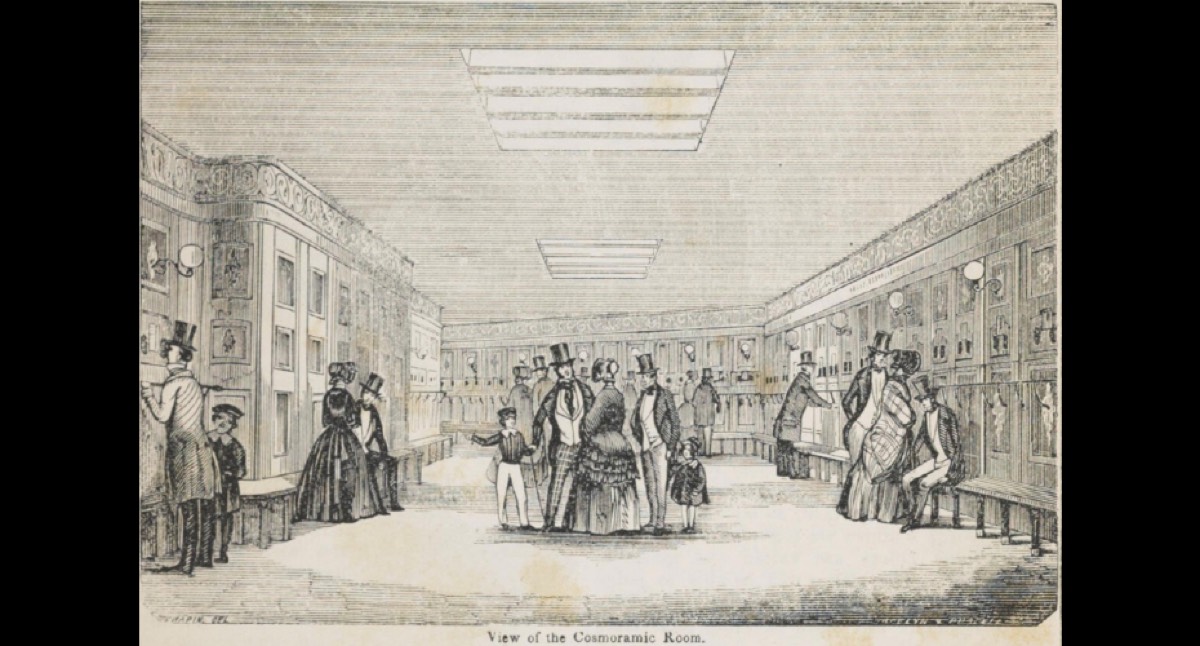
Nineteenth-century cosmoramas, evolved from seventeenth and eighteenth-century peep shows, were used as real estate marketing tools in Britain and Ireland. London auctioneer Brooks and Hedger used them in the eighteen thirties to market estate properties.
An early version of virtual tours
Brooks and Hedger's offices were on Old Bond Street, close to the Cosmorama Rooms of Regent Street. Producing cosmoramas required an artist to visit each property and create paintings from different angles, offering aerial perspectives of homes and grounds.
The key point
Ars Technica highlights six overlooked scientific stories from September, ranging from potential dark matter detection to evidence of psychoactive use twenty five thousand years ago.





